

丹後由良 安寿と厨子王物語
/ 京都 Kyoto/ 京都府
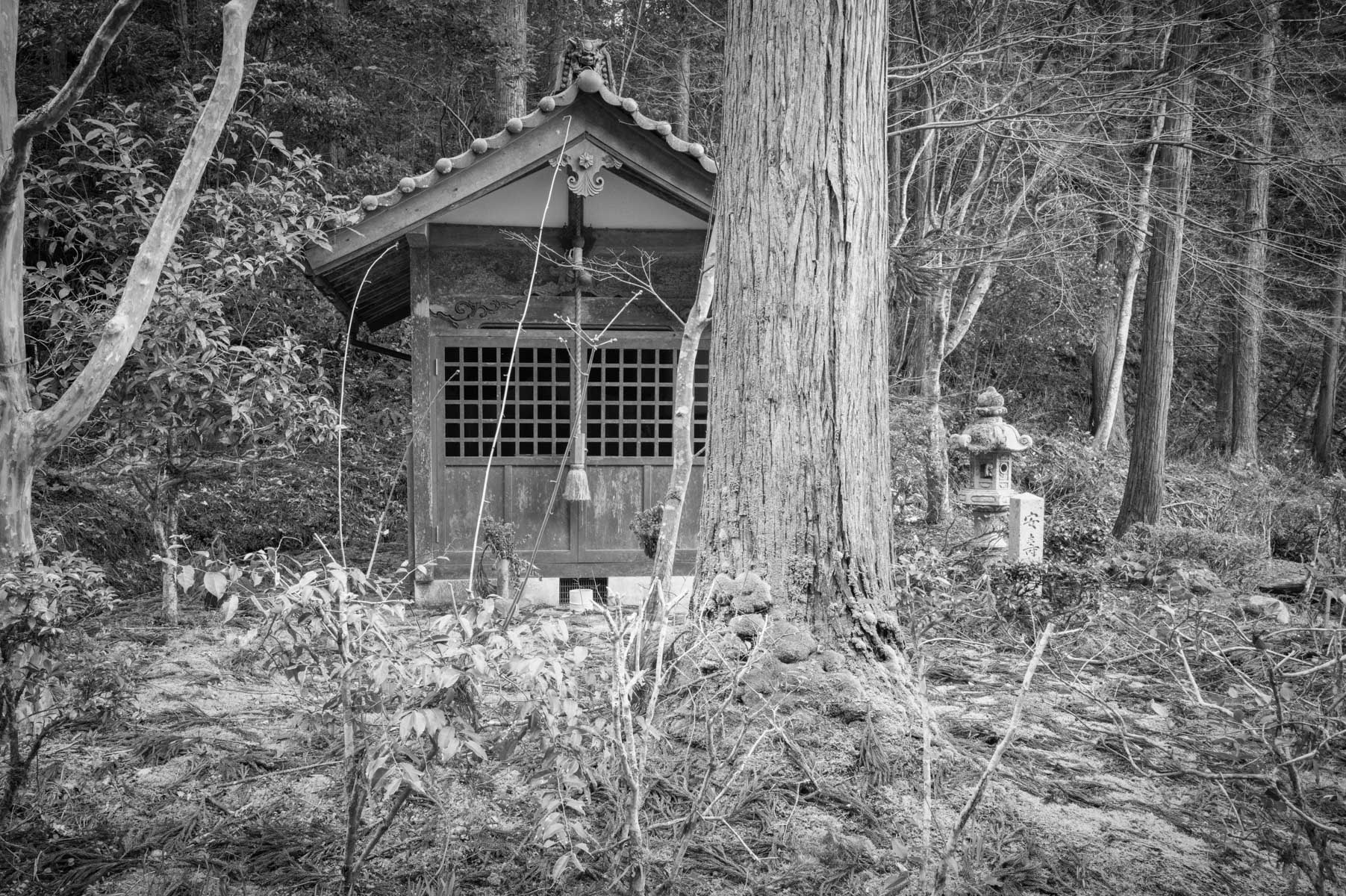
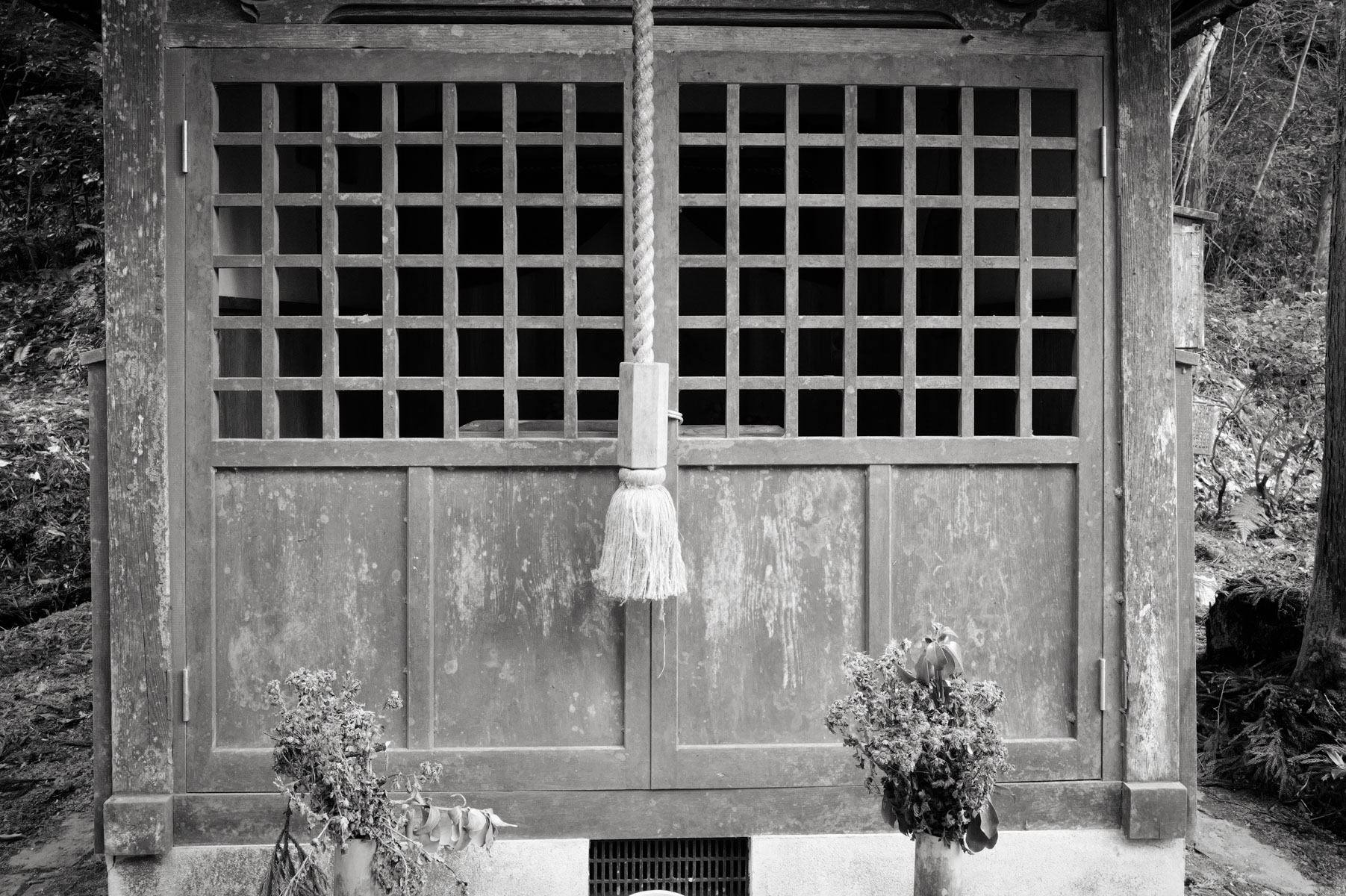
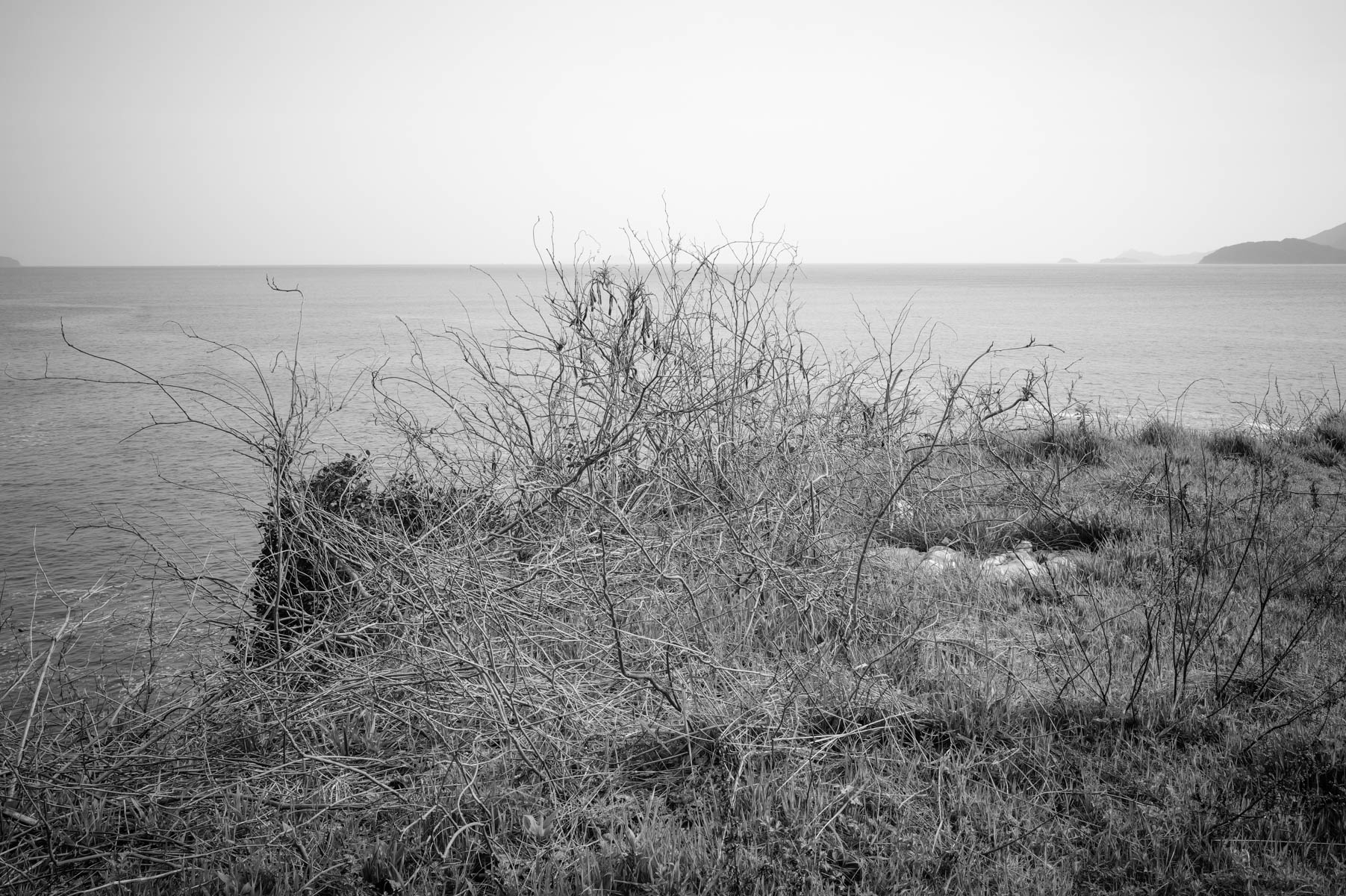
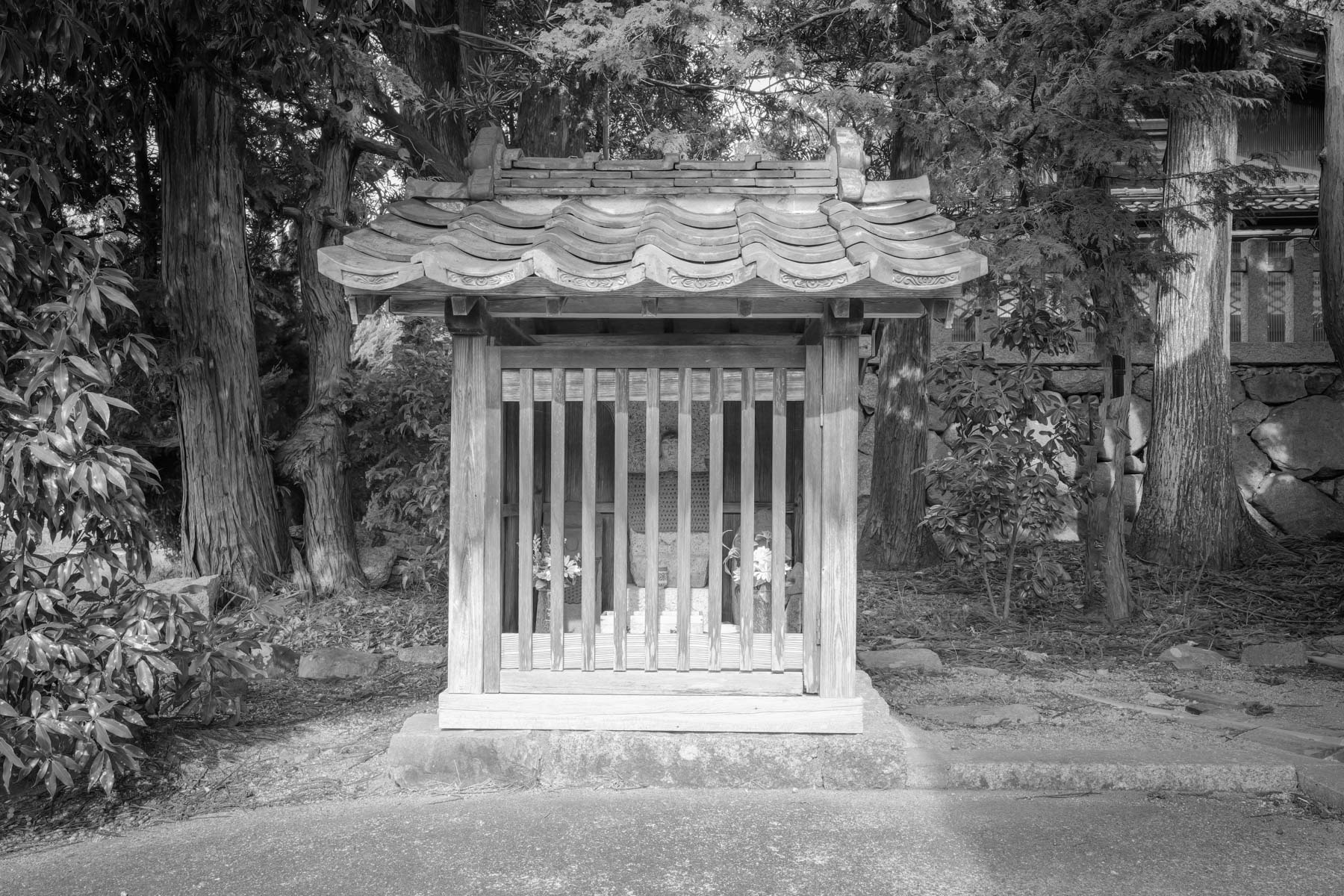
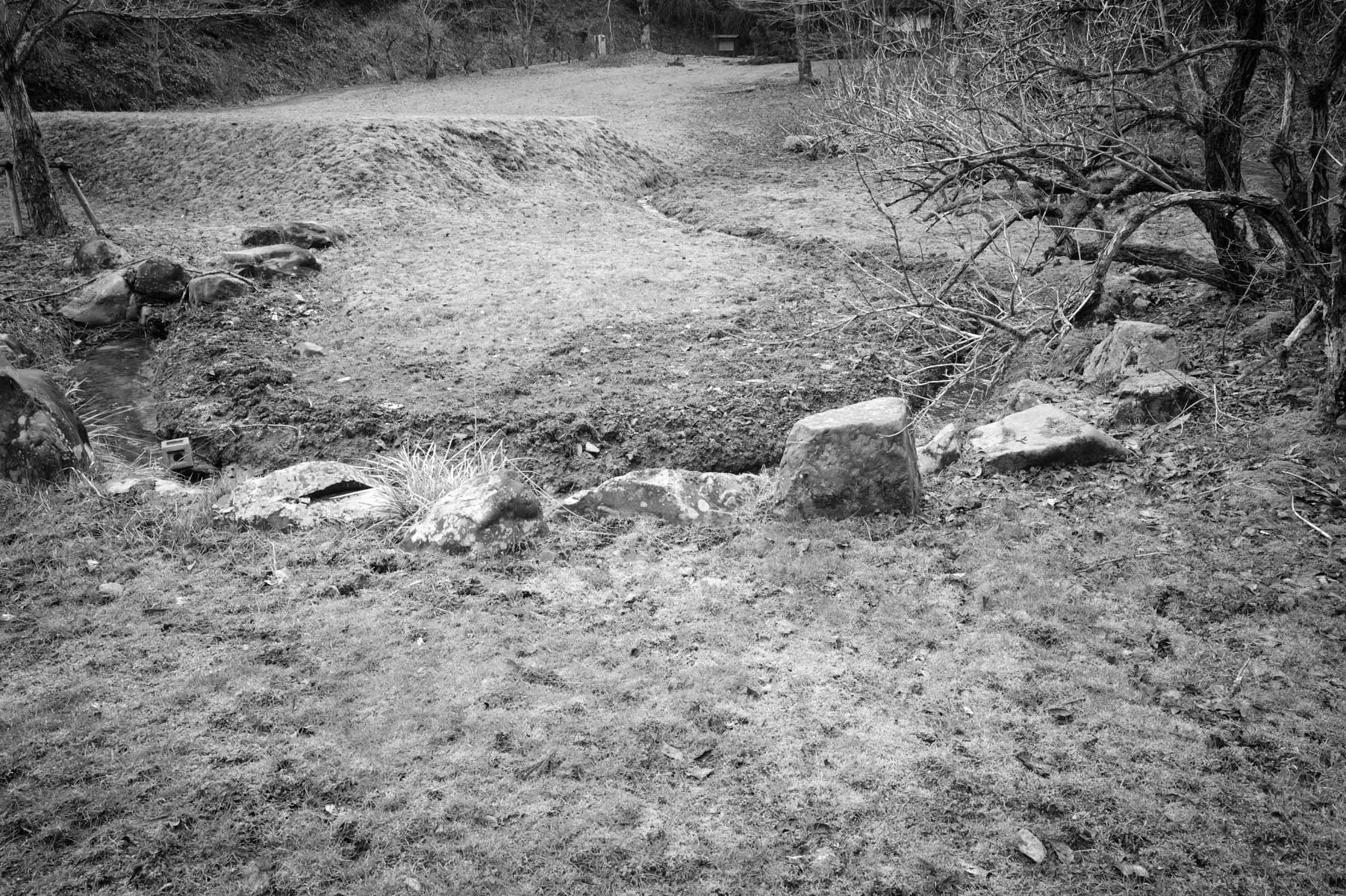
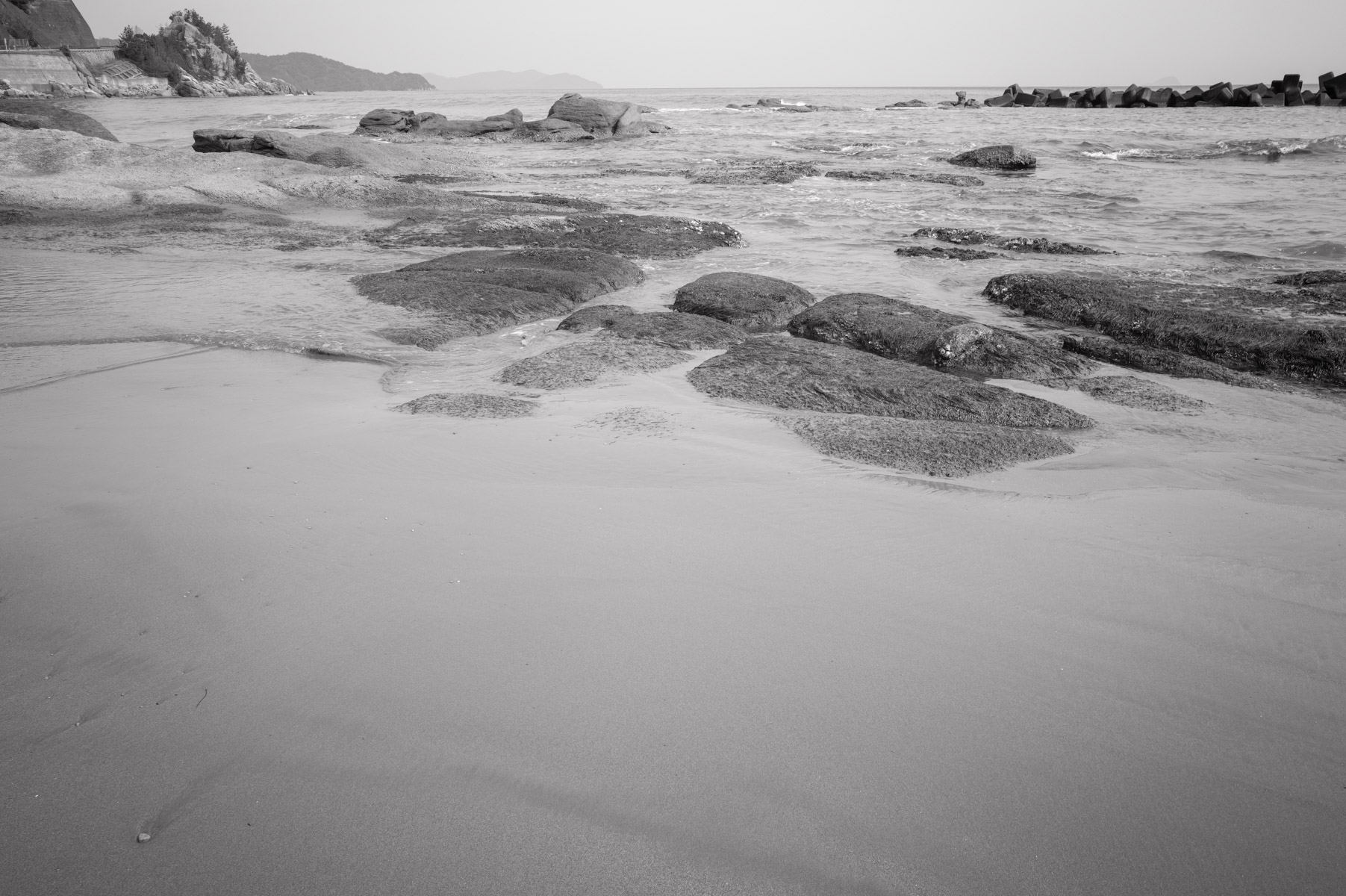
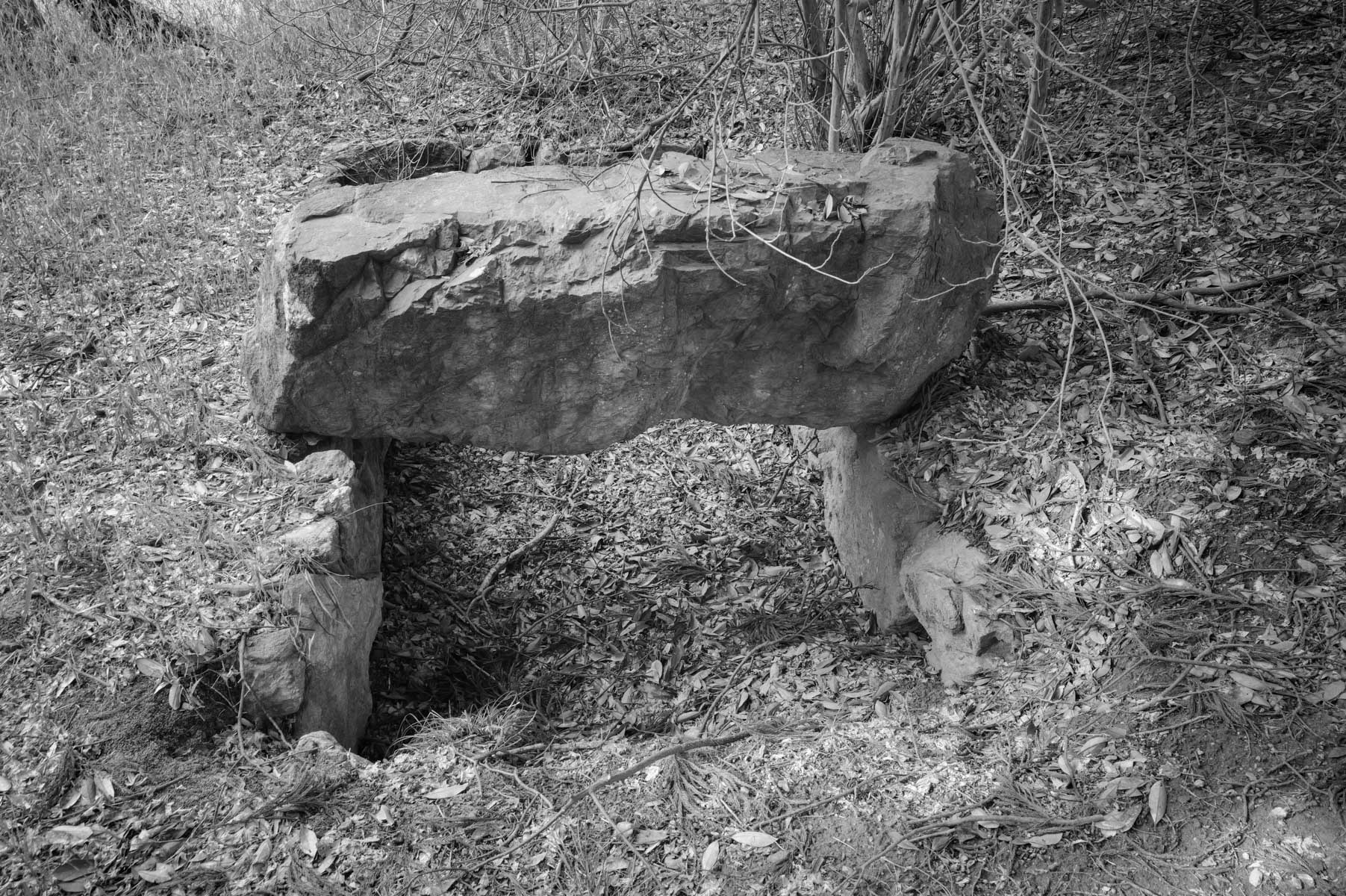
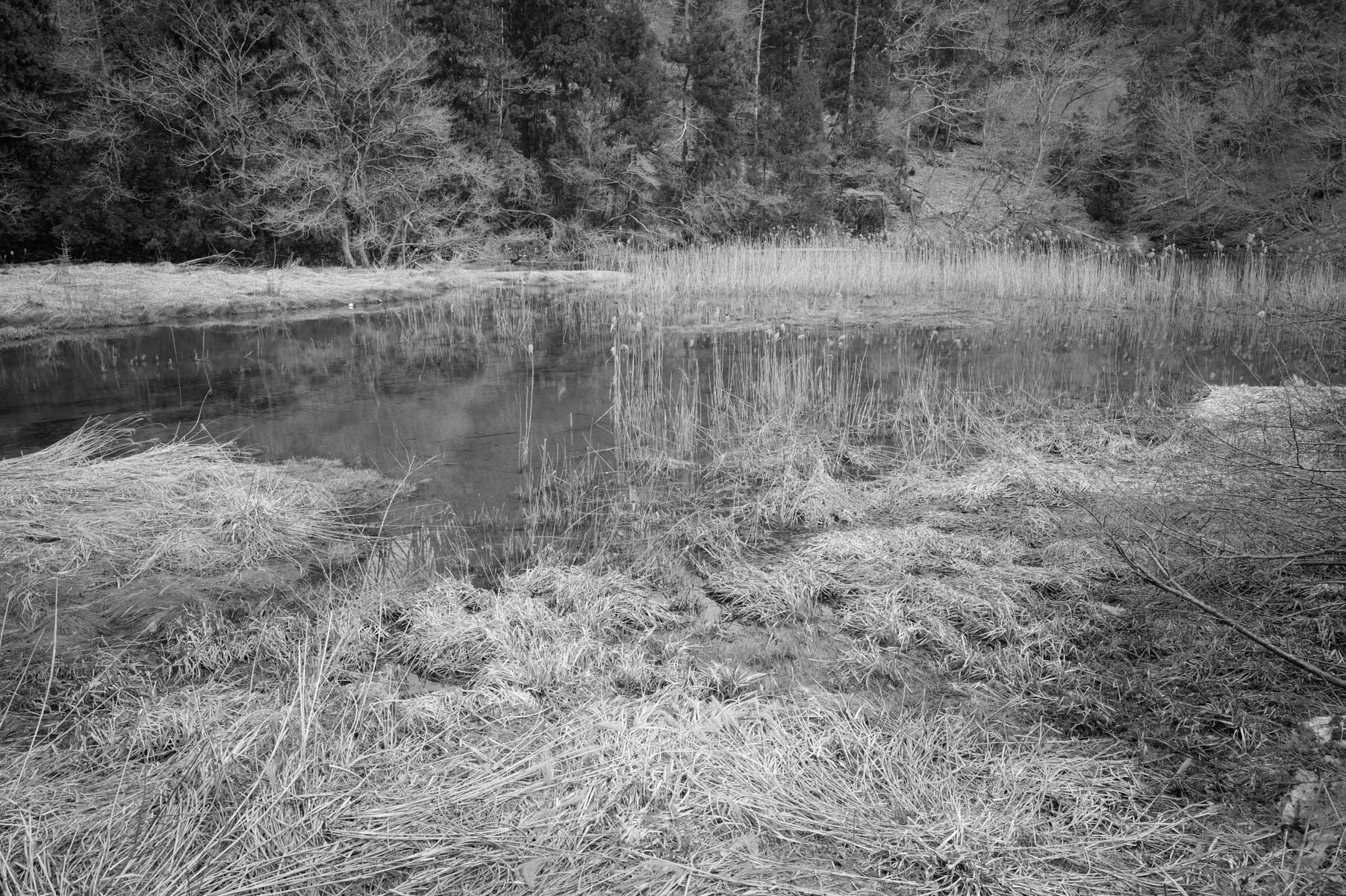
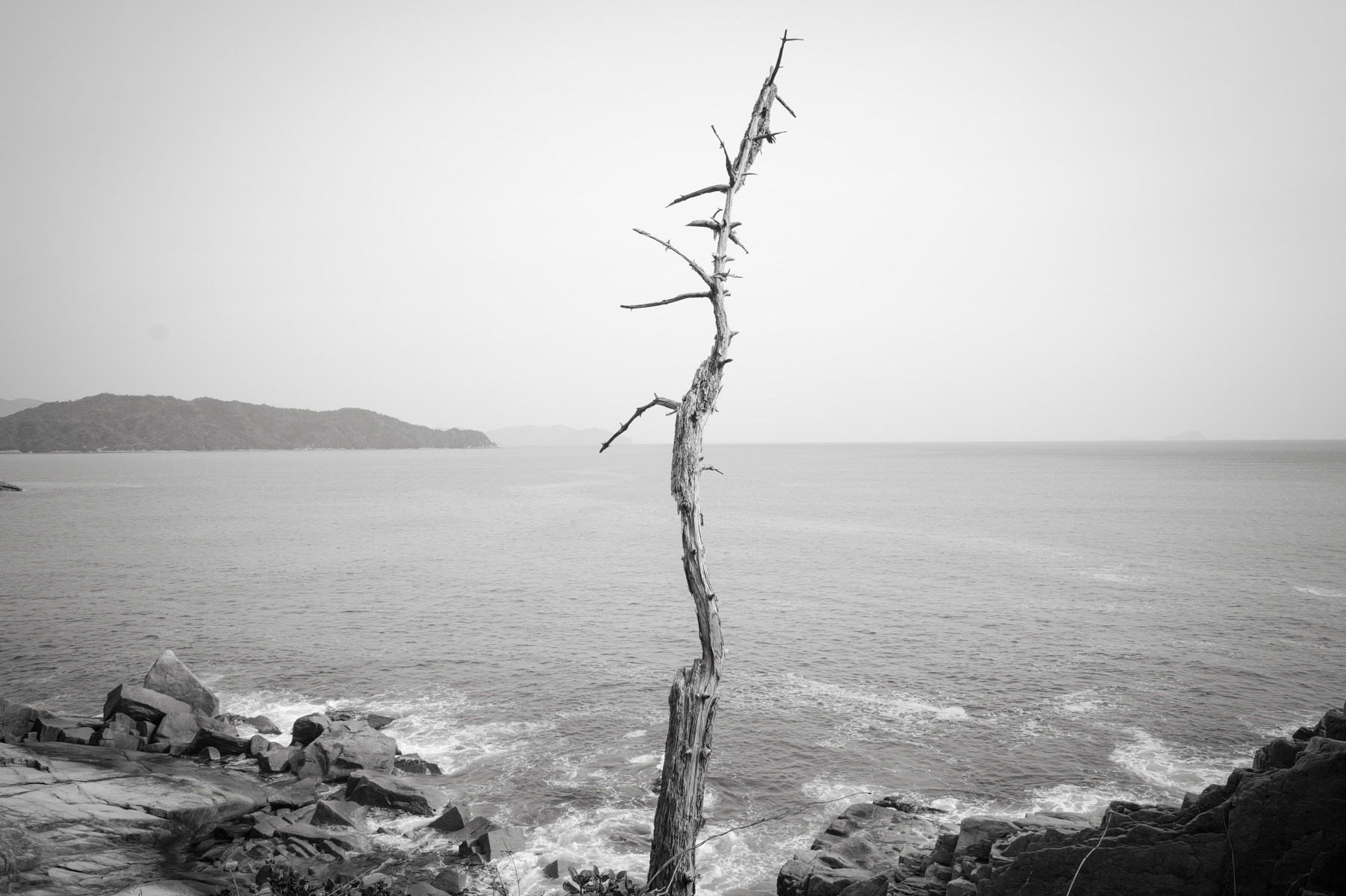
安寿と厨子王の物語は、現代の子供たちには馴染みが薄いかもしれないが、少なくとも私の世代には絵本やアニメを通じて記憶に深く刻まれている。物語の原型は室町時代から語り継がれてきた説経節『さんせう太夫』であり、森鴎外はそれを大正4年(1915年)に短編小説『山椒大夫』として書き直した。鴎外自身の創作ではなく、中世の民衆芸能を文学として昇華させた作品である。
あらすじを簡単に記せば、無実の罪で筑紫に流された父を訪ねる旅の途中、越後の直江津で人買いに騙された安寿と厨子王の姉弟は、丹後由良の荘園領主・山椒大夫に売られ奴隷として酷使される。やがて安寿は弟を逃がすために自らの命を絶ち、都に辿り着いた厨子王はのちに丹後の国守となり山椒大夫を成敗、佐渡で盲目となった母と再会を果たす。
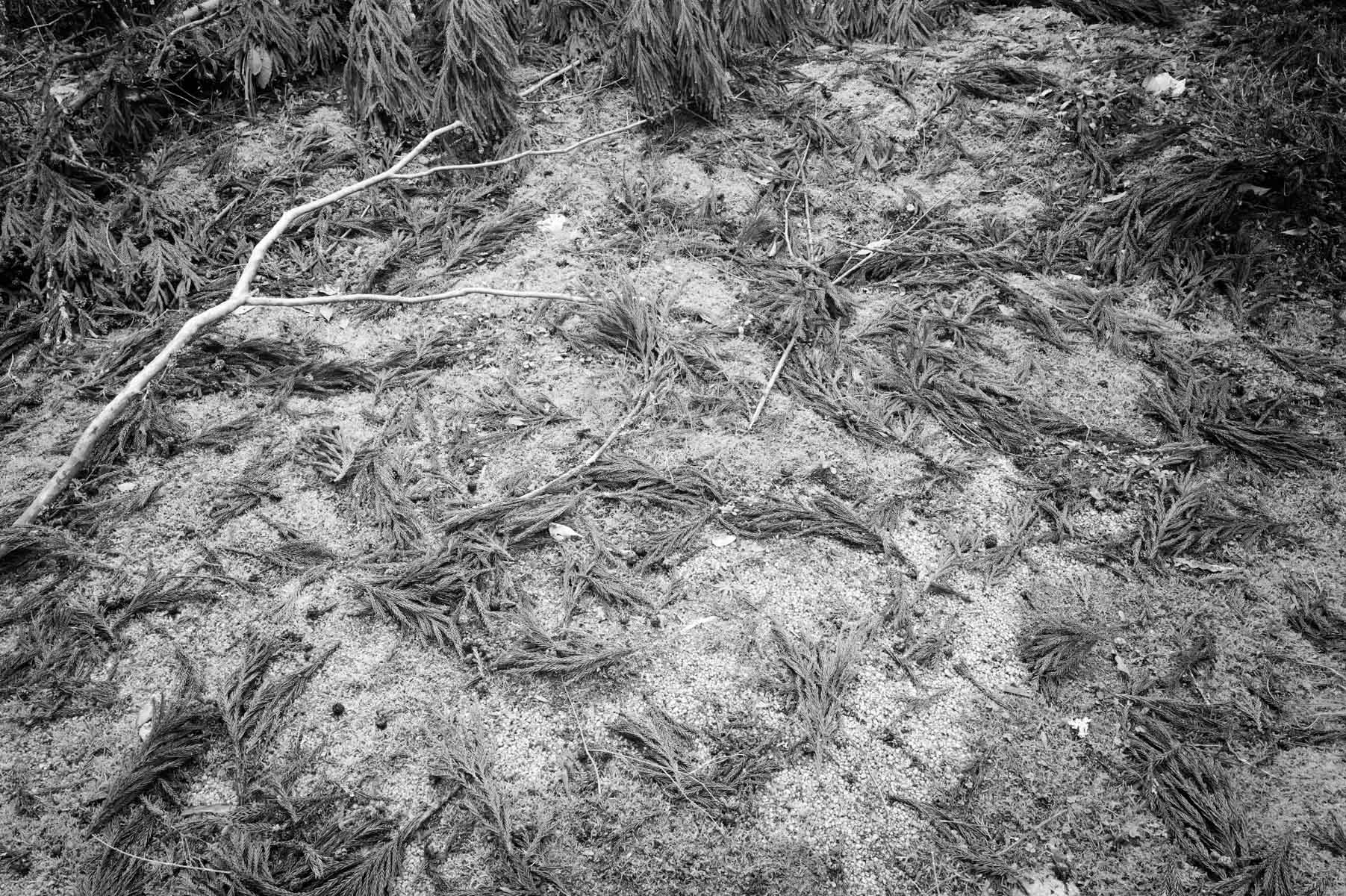
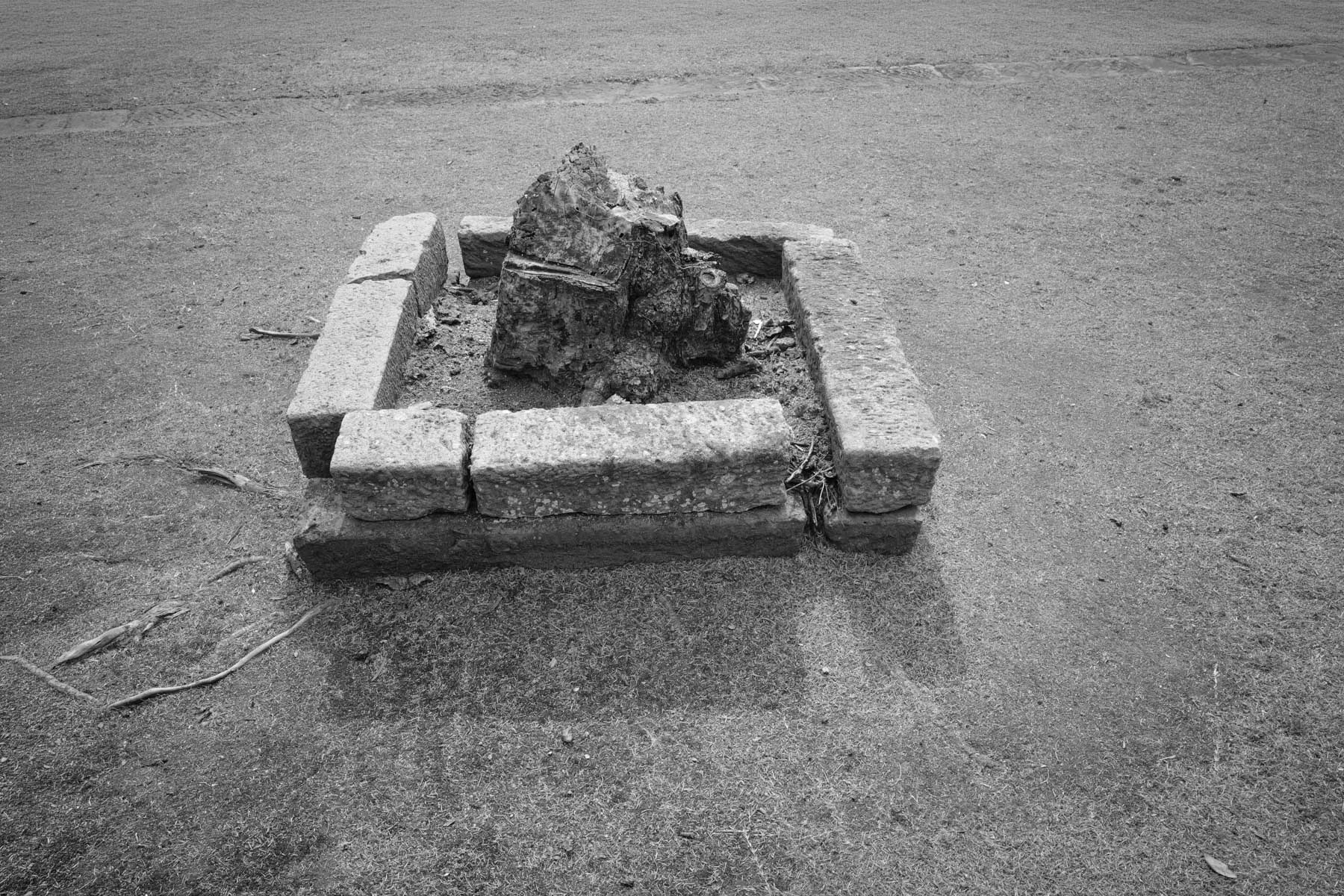
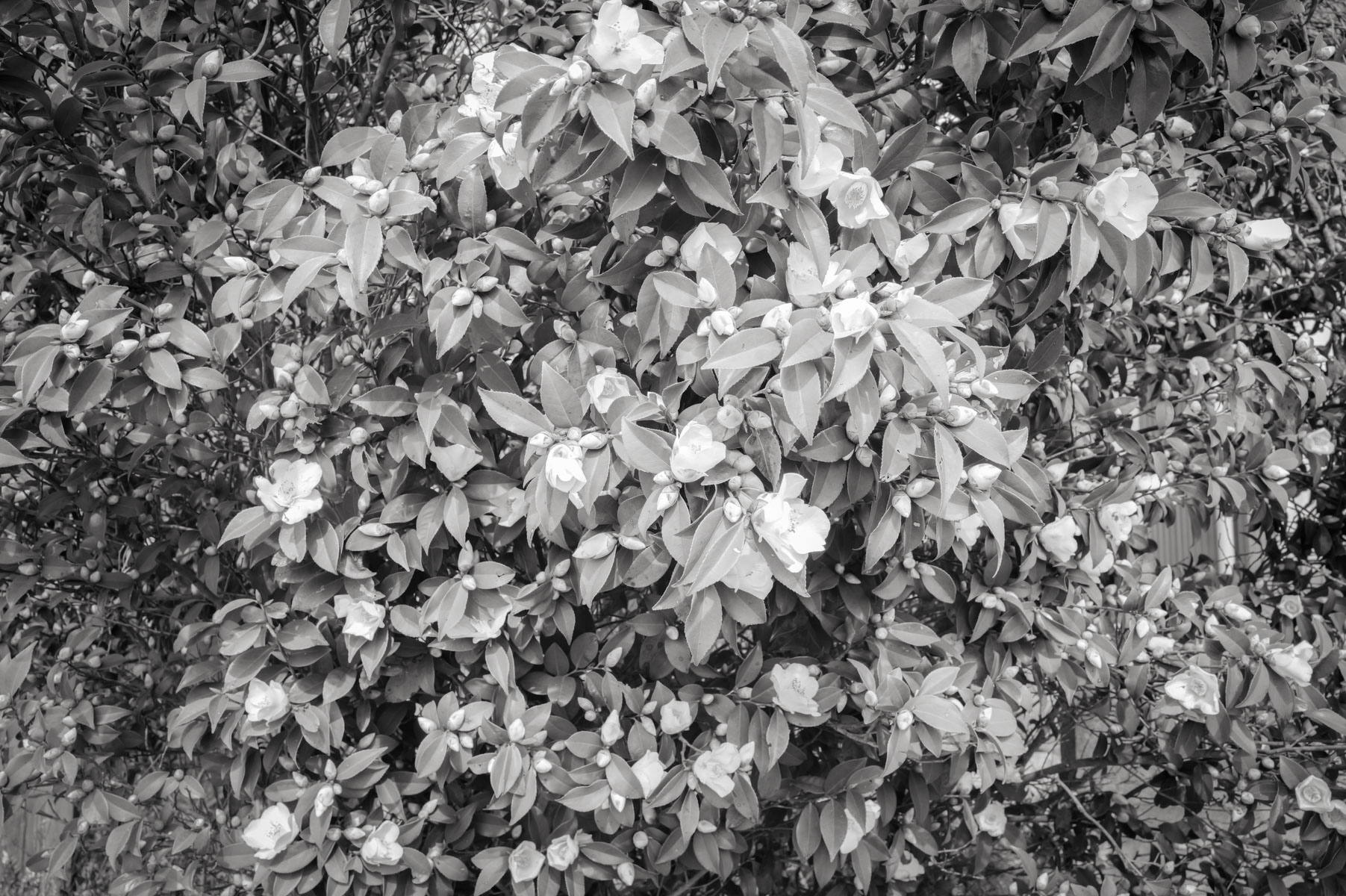
童話やアニメの記憶は鮮明だが、その舞台が丹後由良にあることは最近まで知らなかった。若狭を旅するにあたり山椒大夫を読み直し、その時代に思いを馳せながらゆかりの地を訪ねた。伝承は実話ではないが、平安時代後期の人身売買が横行した世の中にあり得た話だと思う。旅の途中での撮影であり、写真に一貫したテーマはないが、安寿と厨子王を知る世代に、この地でその物語をぜひ思い起こしてほしい。
(撮影地:安寿姫塚、汐汲浜、如意寺、城ヶ腰遺跡、和江の国分寺跡)
he tale of Anju and Zushio may not be familiar to younger generations today, but for those of my age in Japan, it is a story deeply embedded in childhood memory — encountered through picture books, anime, and television dramas. Its origins lie in Sansho Dayu (Sansho the Bailiff), a sekkyobushi — a form of medieval Buddhist narrative ballad — that had been passed down orally since the Muromachi period. The Meiji-era author Mori Ogai later adapted it into a short novel of the same title, published in 1915. It was not Ogai's invention, but his literary transformation of an ancient folk tradition. The story is set in the late Heian period. Anju and her younger brother Zushio, children of a provincial lord unjustly exiled to Kyushu, set out with their mother to find their father. Deceived by slave traders in Echigo, the siblings are separated from their mother and sold to Sansho the Bailiff, a powerful landowner in Tango-Yura, where they are forced into brutal servitude. Anju sacrifices her own life to help Zushio escape. He eventually reaches the capital, rises to become the governor of Tango, punishes Sansho, and is reunited with his now-blind mother on the island of Sado. I had a vivid memory of the story from childhood, yet until recently I had no idea that its setting lay here, in Tango-Yura. Before visiting Wakasa, I reread Sansho Dayu and came to this region with the story in mind, walking the places where its tragedy was said to have unfolded. Though the tale is legendary rather than historical, the world it depicts — one in which human trafficking and forced labor were not uncommon — reflects the realities of the era in which it is set. The photographs here were taken during the course of a journey, without a single consistent subject. But for those who know the story of Anju and Zushio, I hope this place brings it quietly back to life. (Photographed at: Anju-hime Tsuka, Shiokumi-hama Beach, Nyoi-ji Temple, Jogakoshi Site, and the ruins of Kokubunji Temple in Wae)