

鳥取砂丘
/ 中国 Chugoku/ 鳥取
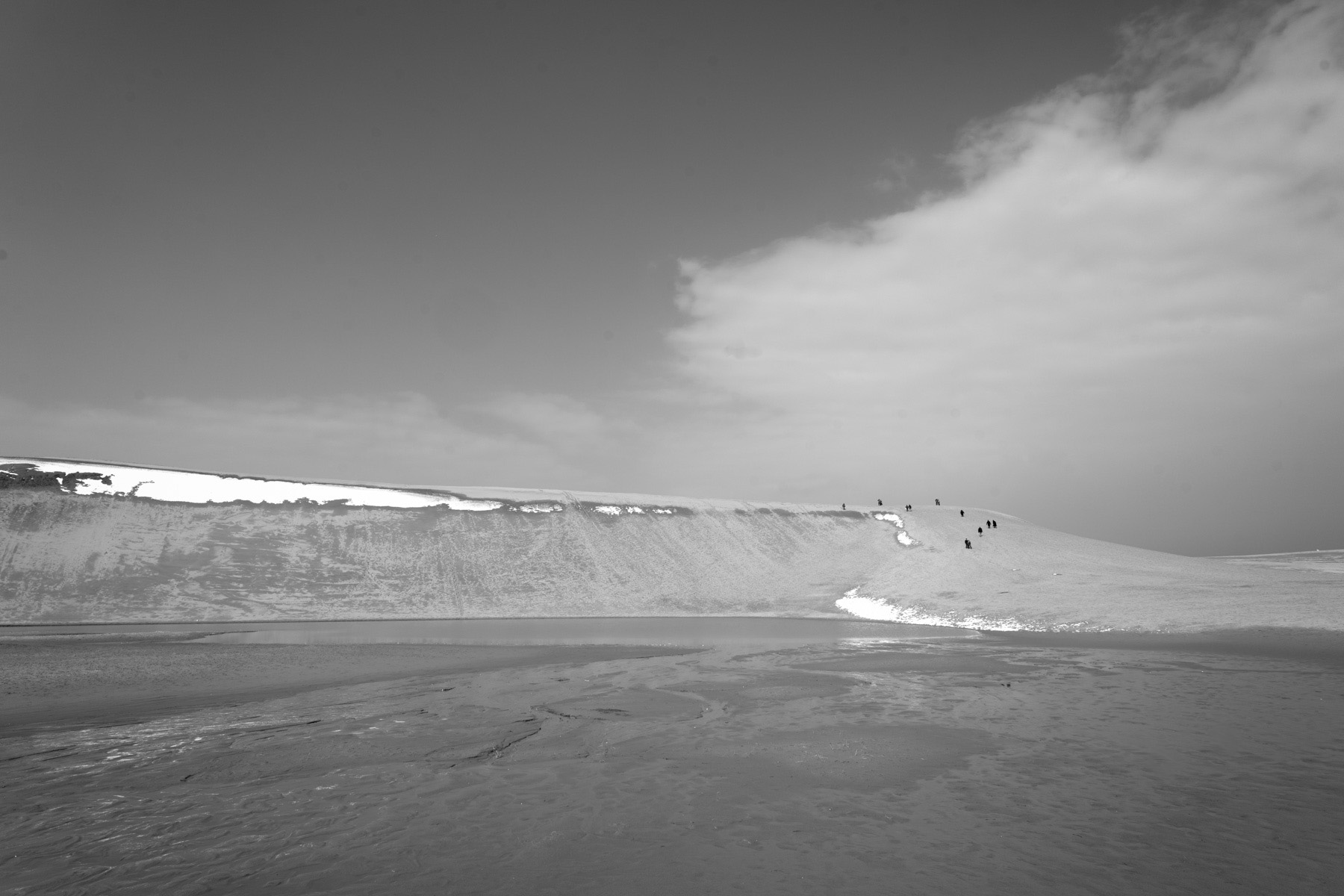
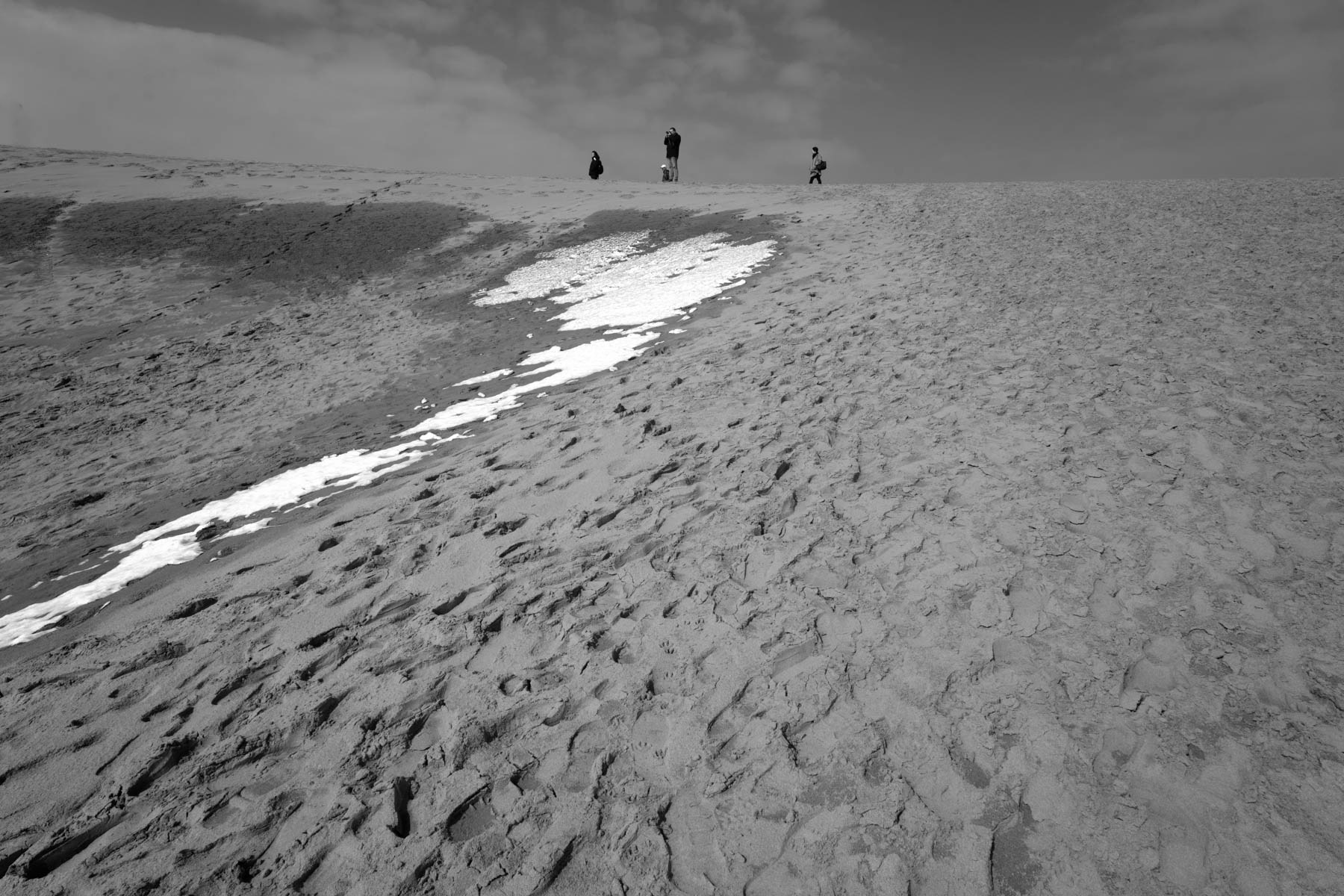
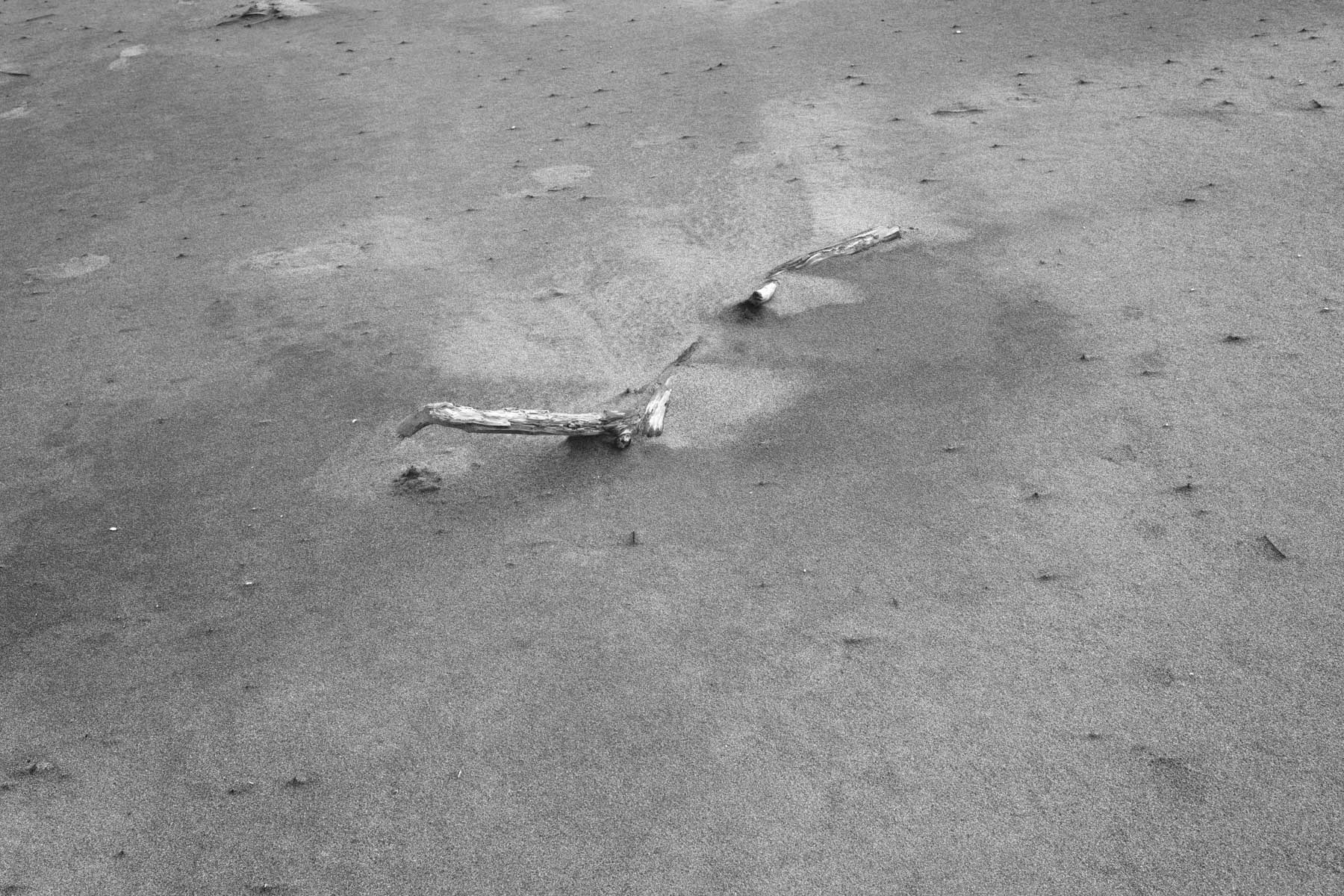
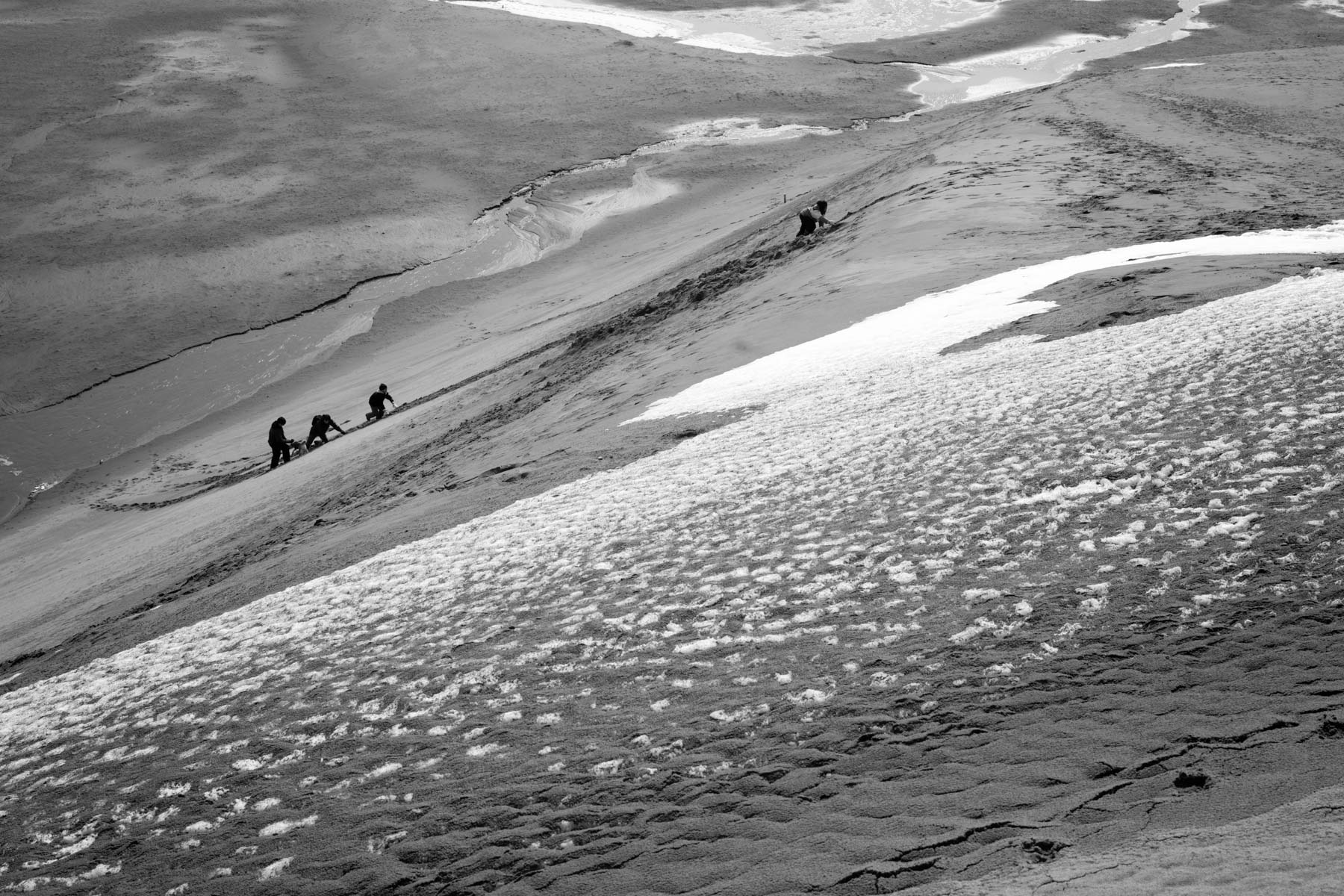
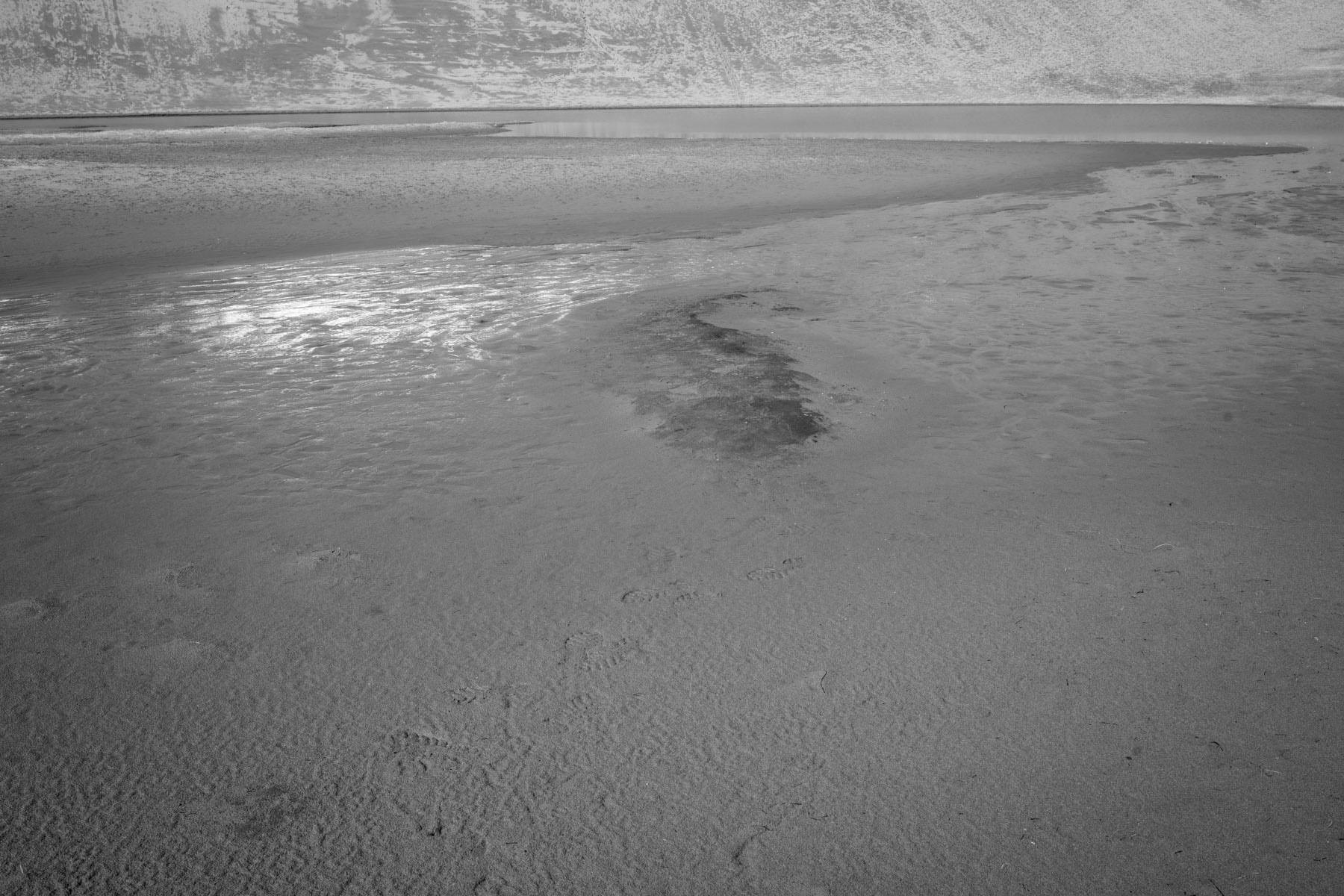
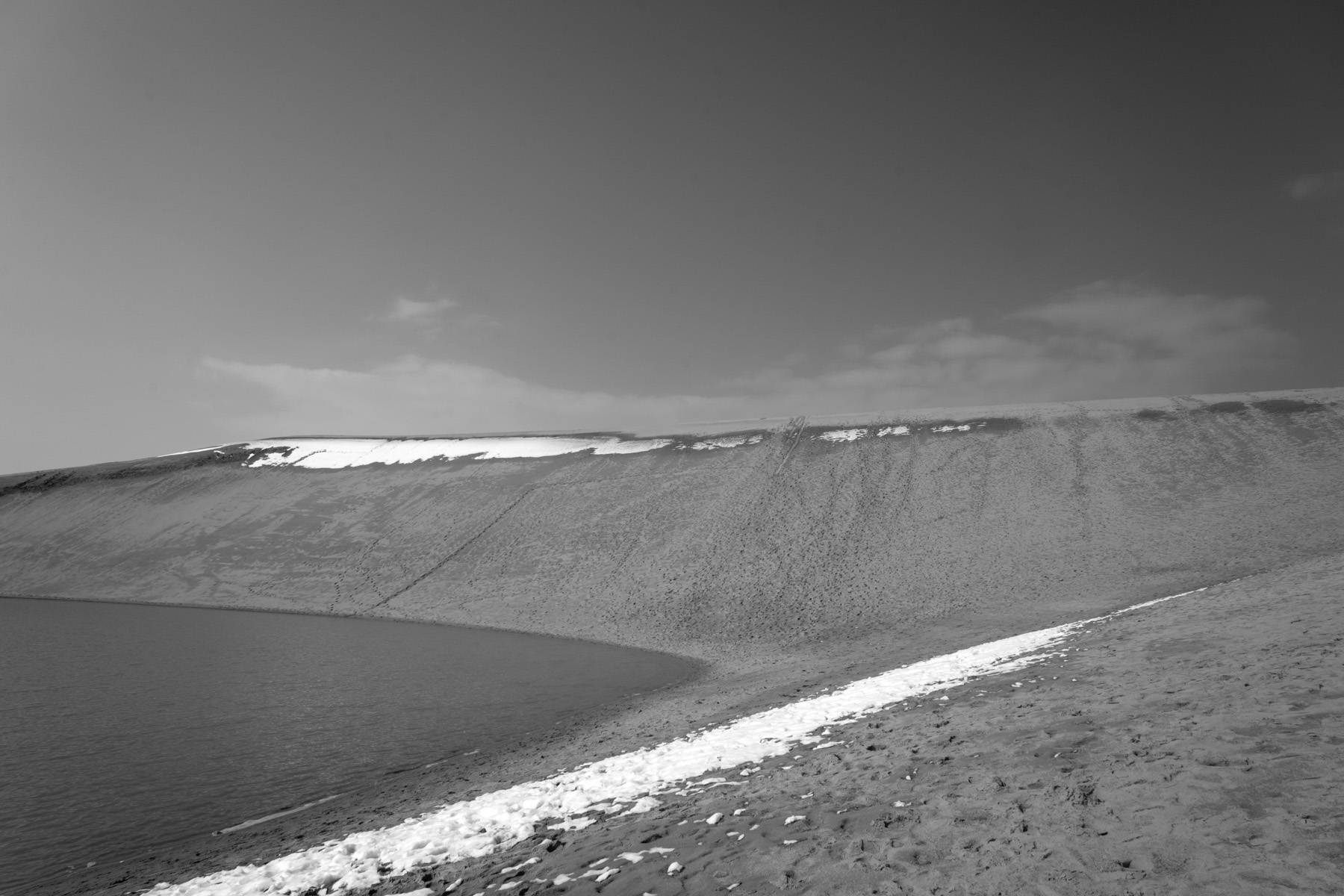
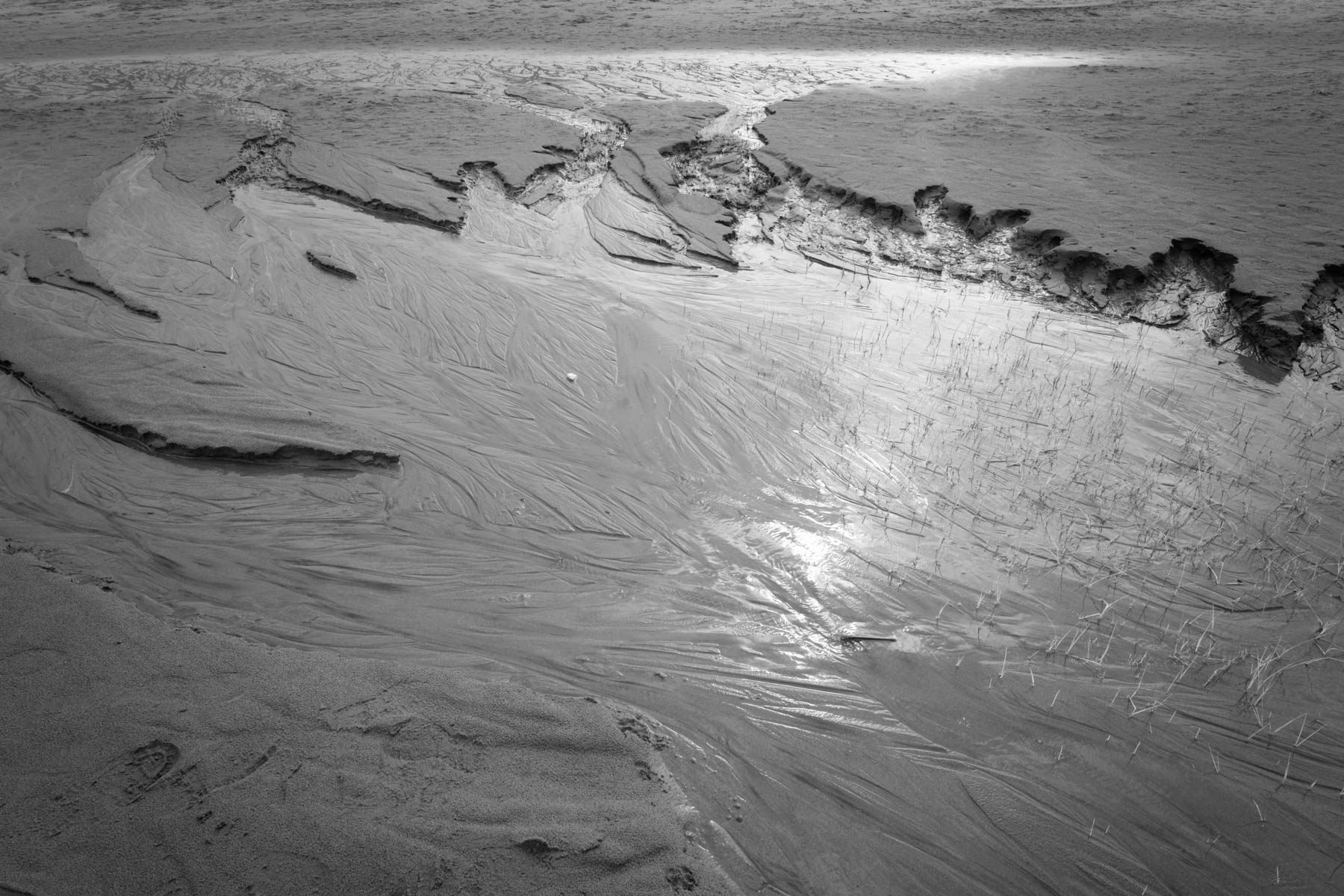
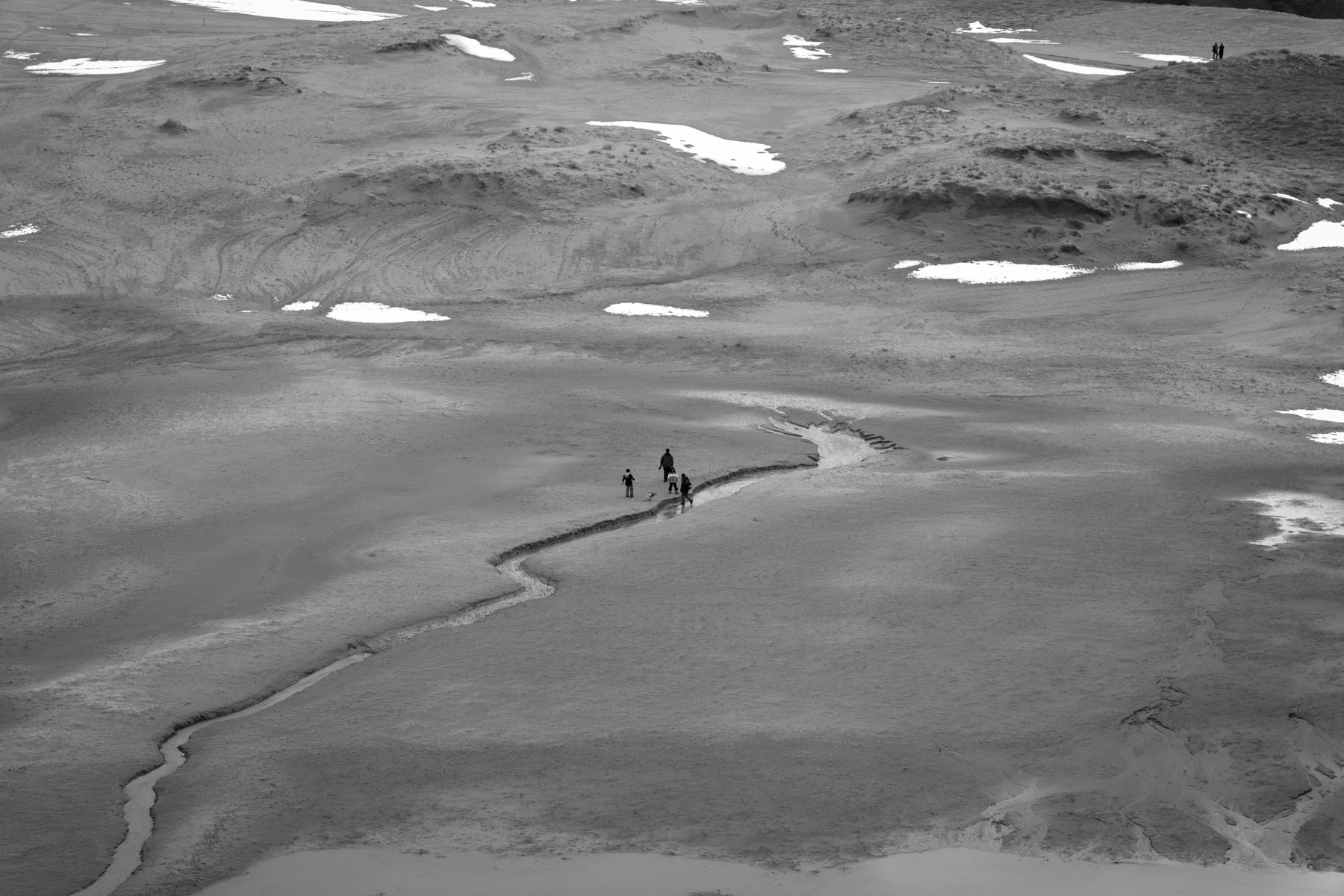
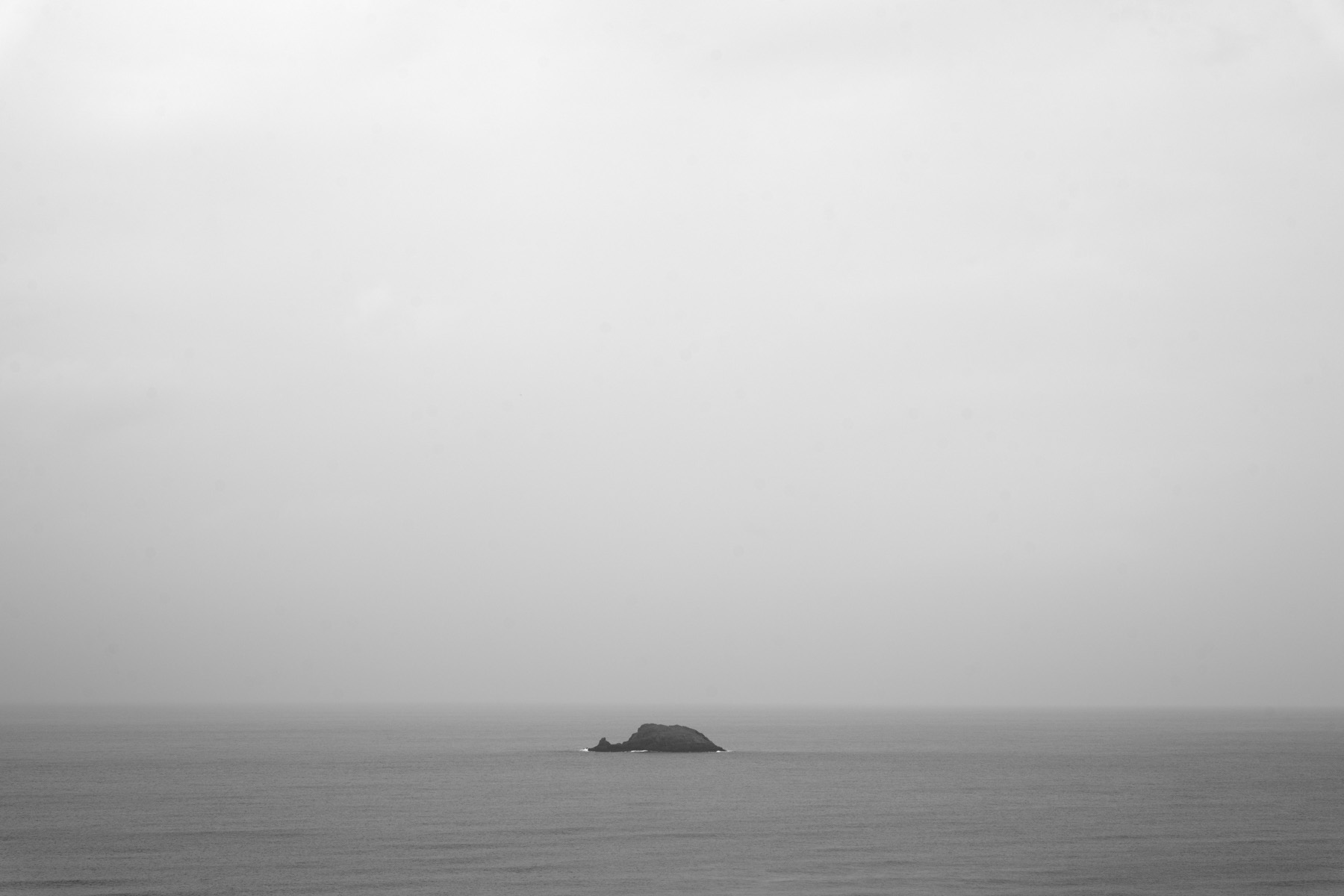
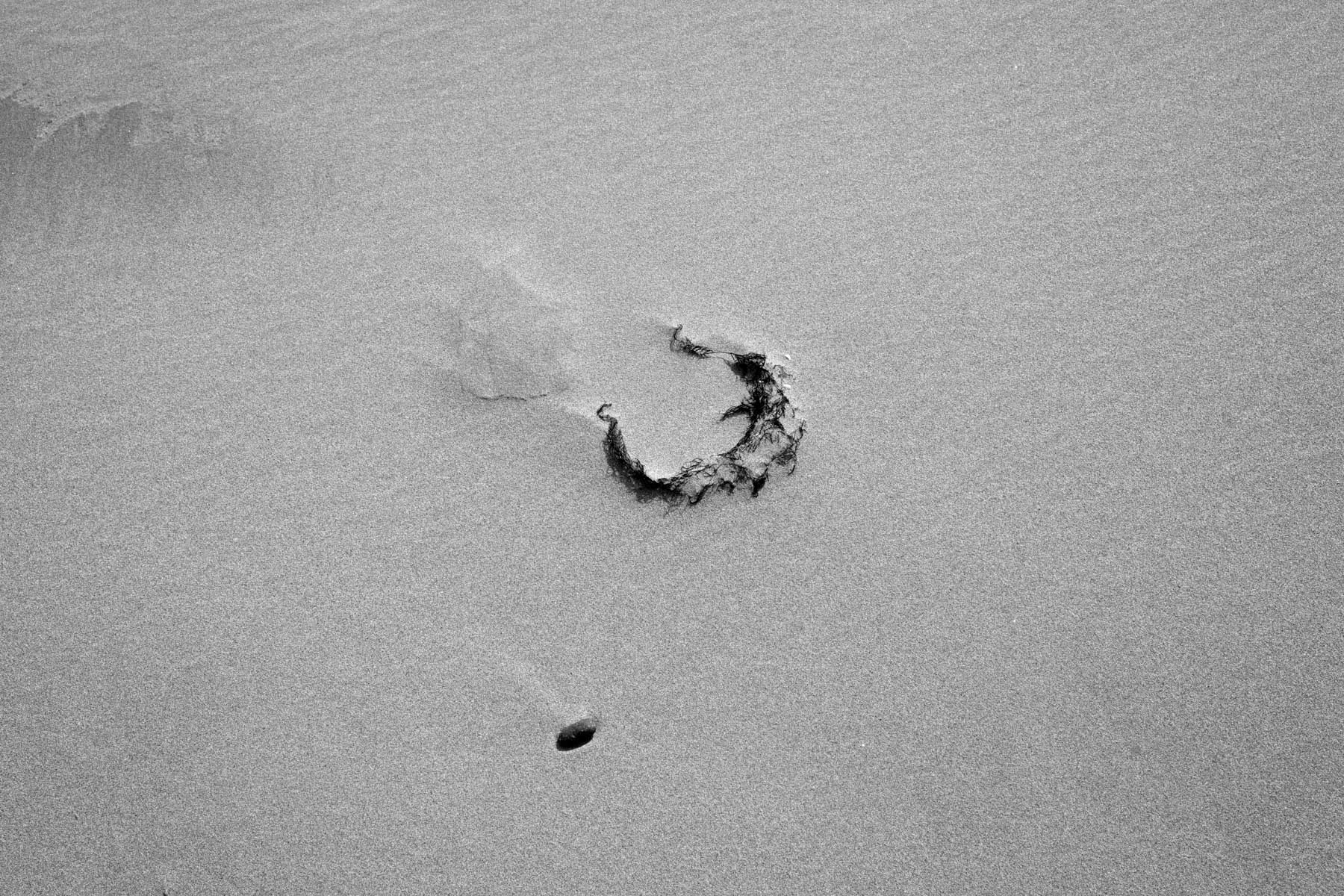
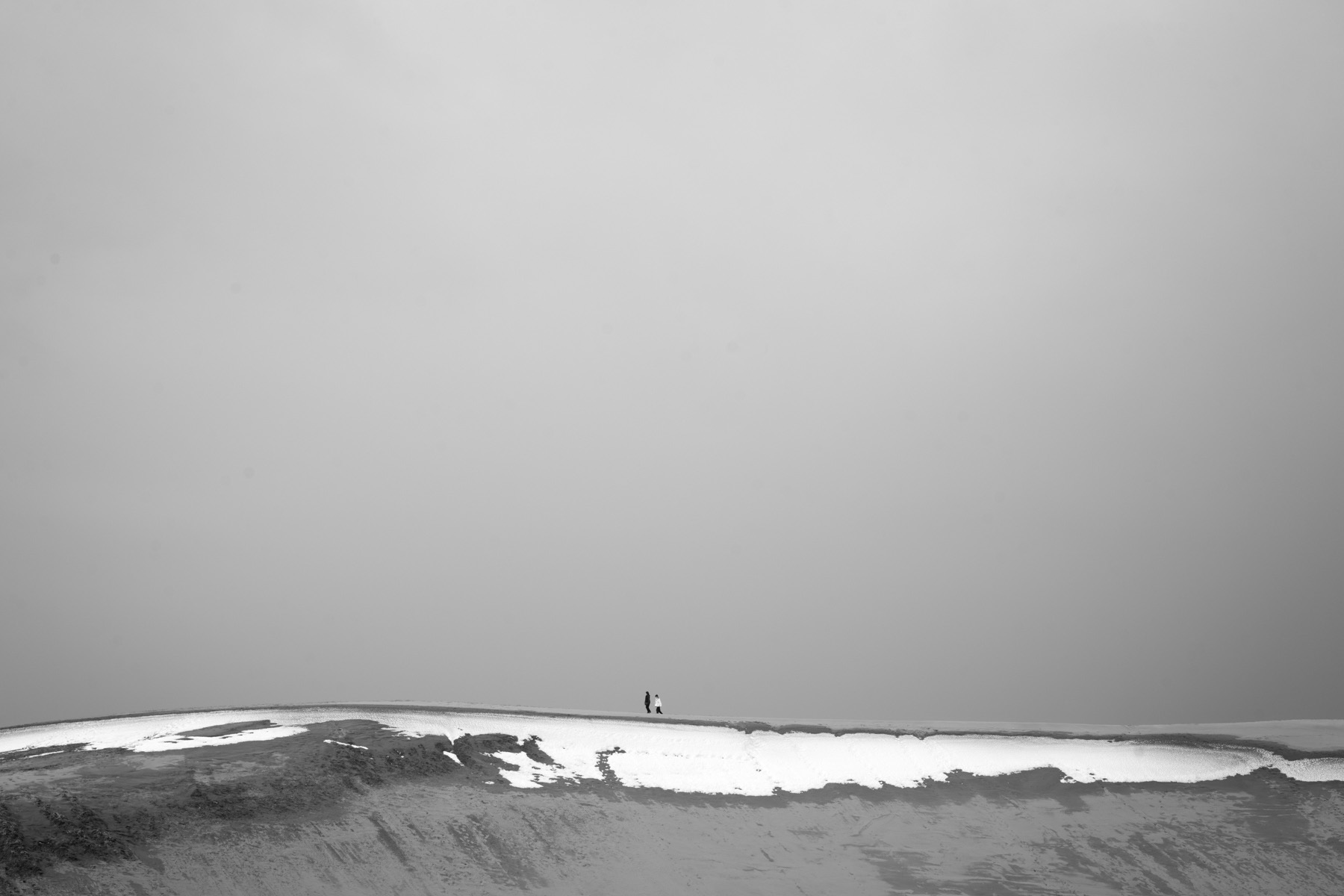
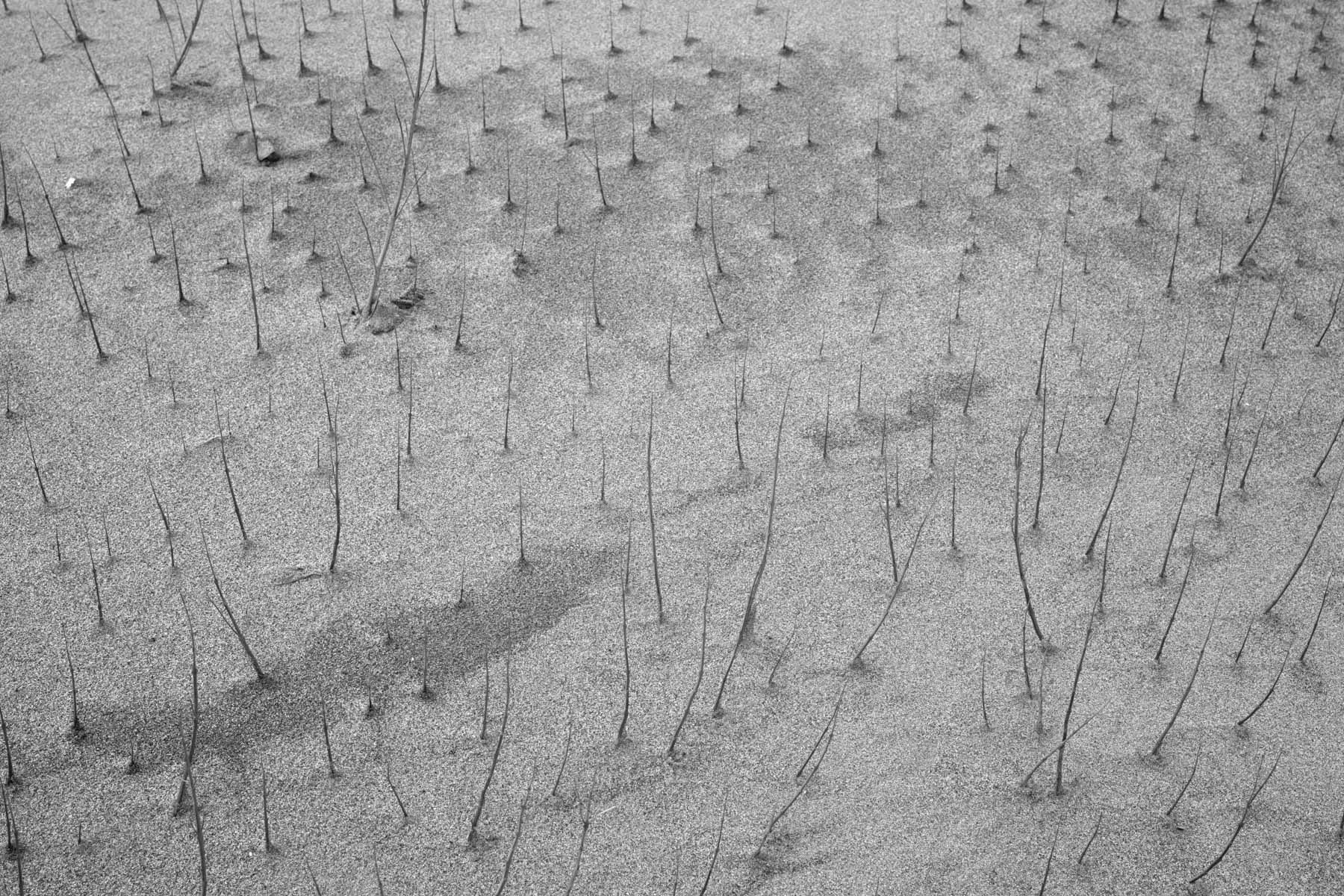
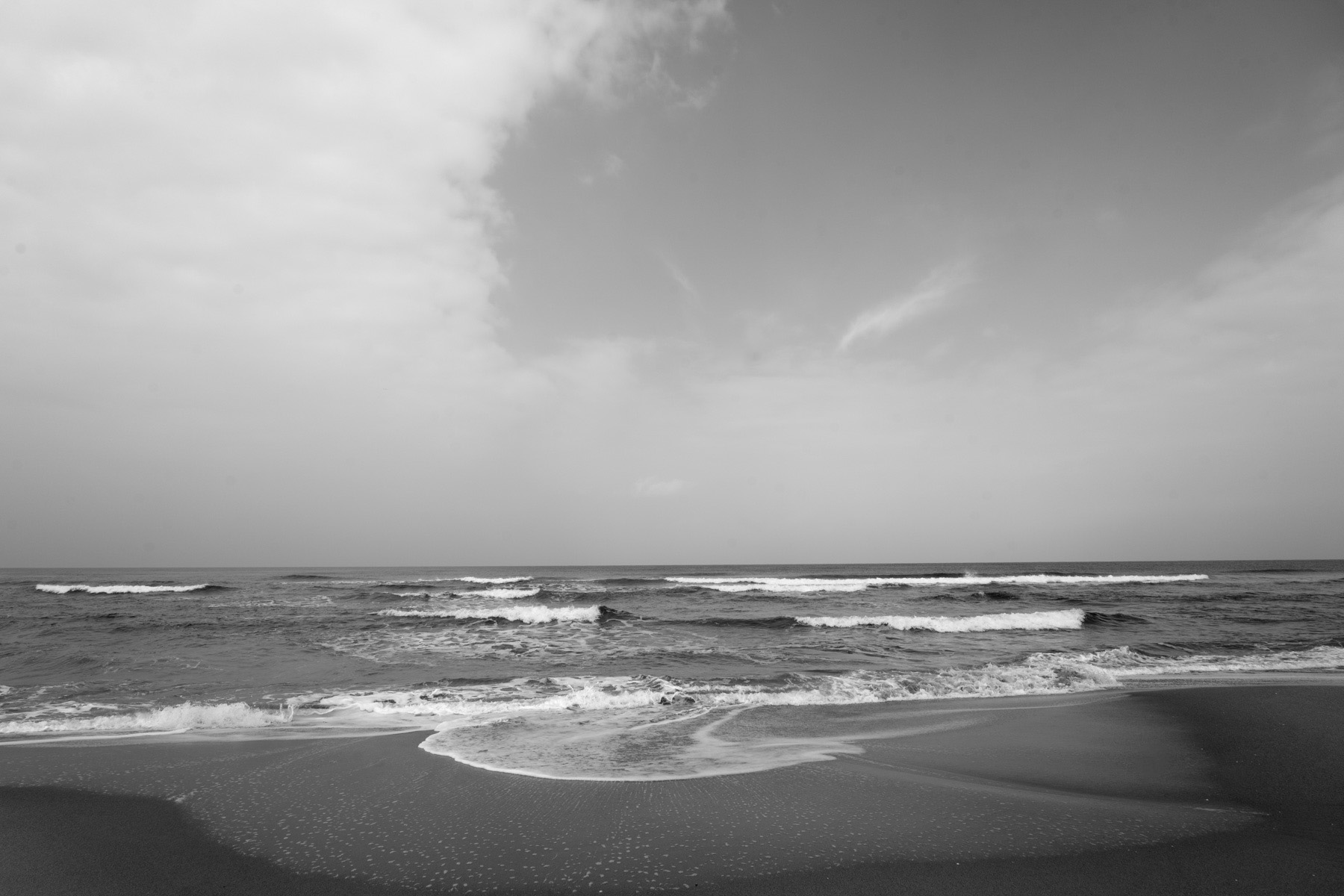
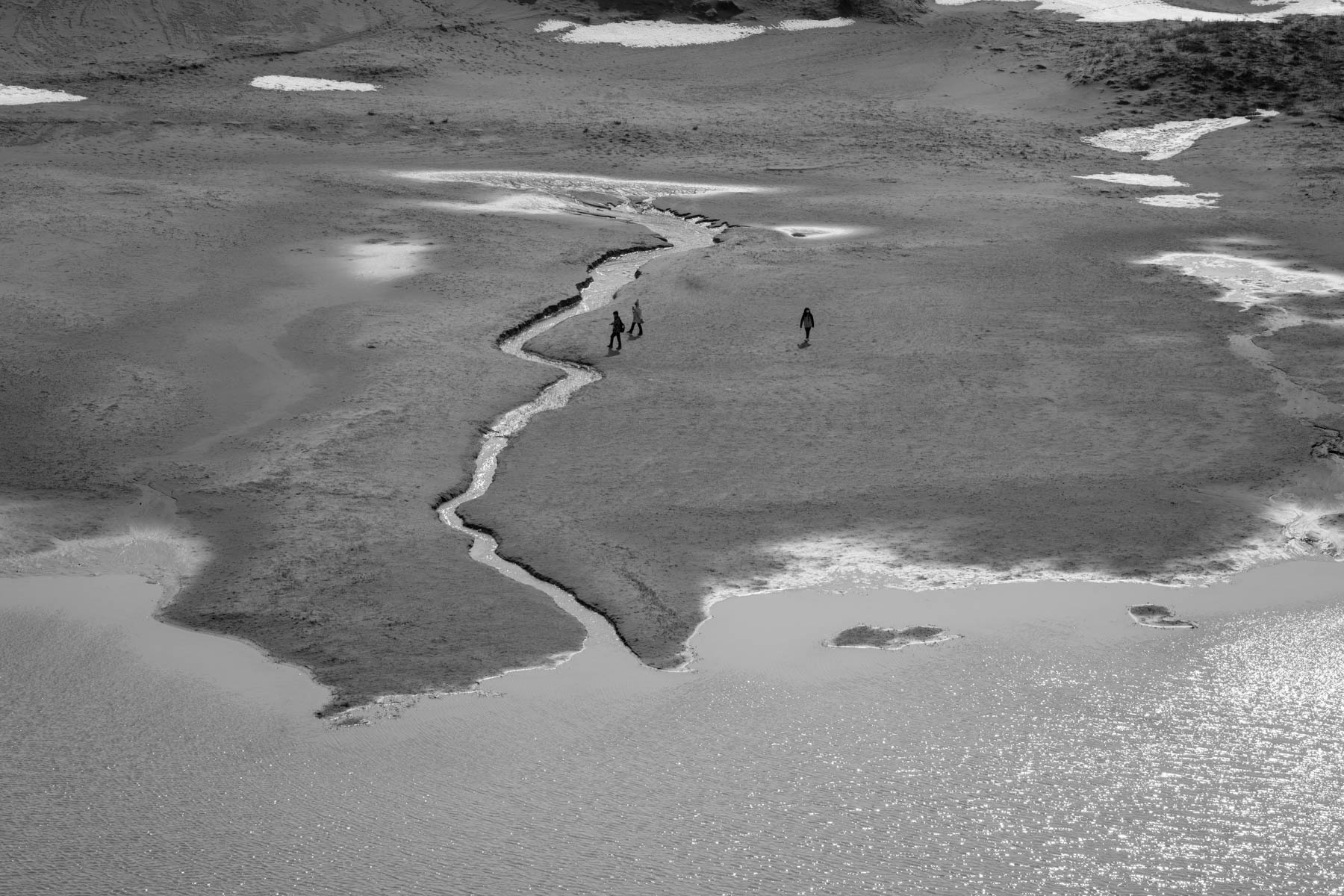
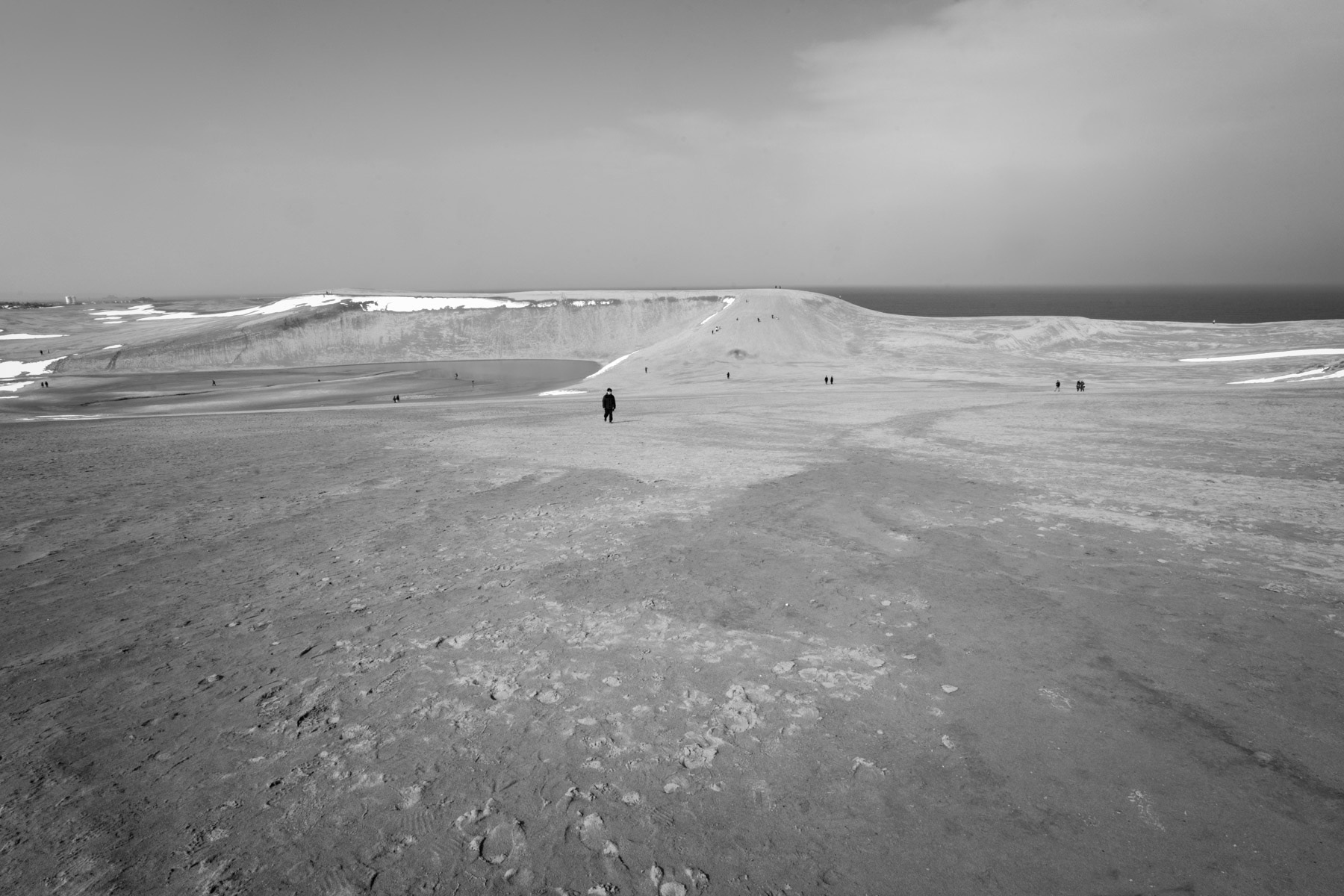
小学校の教科書で初めて「鳥取砂丘」の名を知って以来、私はその存在を記憶の片隅に留めながらも、一度も訪れる機会がありませんでした。最近の「Weekend get away」と称した週末の旅で、ようやく鳥取県米子市を拠点に足を延ばし、実際にその広大な砂の風景と対峙することになりました。
鳥取砂丘は鳥取県東部、日本海沿いに東西約16km、南北約2.4kmに広がる日本最大級の海岸砂丘で、山陰海岸国立公園の特別保護地区として国の天然記念物にも指定されています。強い季節風が運ぶ砂が長い年月をかけて刻んだ起伏や風紋は、刻々と表情を変え、訪れる者に自然の力と造形の美を感じさせます。季節や時間帯によって空と海との関係性も変化し、幾通りもの風景を見せてくれる場所です。
確かに特徴ある風景であるものの、既に多くの写真家がこの地を撮影してきたため、短時間の撮影では絵葉書的な画になりがちでした。しかしその中にも砂丘の本質的な姿を写し取れたと感じていますので、ご覧いただければ幸いです。
今回の撮影を通じ、俳句と写真という自らの表現手段を学んできたことの価値を改めて実感しました。他の観光客はガイドブックや定番の撮影ポイントを巡っていましたが、俳人、写真家としての視点で見渡すと、定番以外にも多くの発見がありました。ここに掲載した写真は、いずれもガイドブック推奨の撮影スポット以外で捉えたものです。
I first encountered the name "Tottori Sand Dunes" in an elementary school textbook, and it stayed somewhere in the back of my mind for decades — a place I had always meant to visit, but never did. It was only recently, on one of my weekend getaways, that I finally made my way there, using Yonago City in Tottori Prefecture as a base and venturing out to stand before that vast expanse of sand for the first time. The Tottori Sand Dunes stretch roughly 16 kilometers east to west and 2.4 kilometers north to south along the Sea of Japan coast in eastern Tottori — the largest coastal dune system in Japan, designated both as a Special Protection Zone within San'in Kaigan National Park and as a Natural Monument. The undulating forms and wind ripples etched into the sand over long ages by seasonal winds shift their expression from moment to moment, conveying both the power of nature and a quiet, sculptural beauty. As the light changes through the day and the seasons turn, the relationship between sky, sea, and sand takes on an entirely different character each time. The dunes are unmistakably distinctive — yet precisely because so many photographers have worked here before, I found it easy, in the short time I had, to slip toward the pictorial and predictable. Still, I feel there are moments in this series where I caught something closer to the essential nature of this place, and I hope you find them too. Shooting here also reminded me, in a way I hadn't expected, of the value of the two practices I have spent my life cultivating — haiku and photography. While other visitors followed guidebooks from one well-known vantage point to the next, looking through the eyes of a haiku poet and photographer opened up discoveries well beyond the familiar. Every photograph in this series was taken somewhere other than the spots recommended in any guidebook.