

水俣2026
/ 九州 Kyusyu/ 熊本
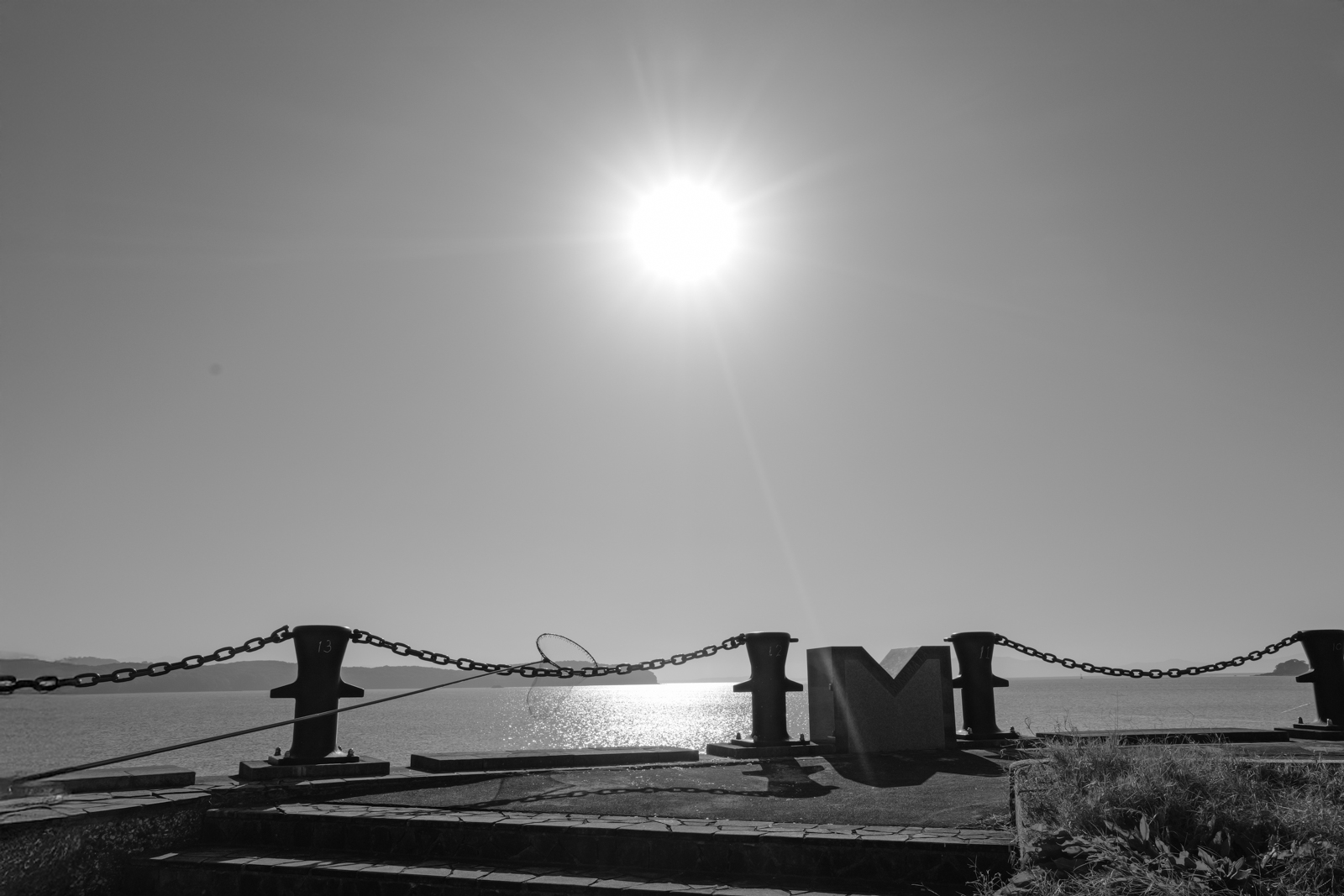
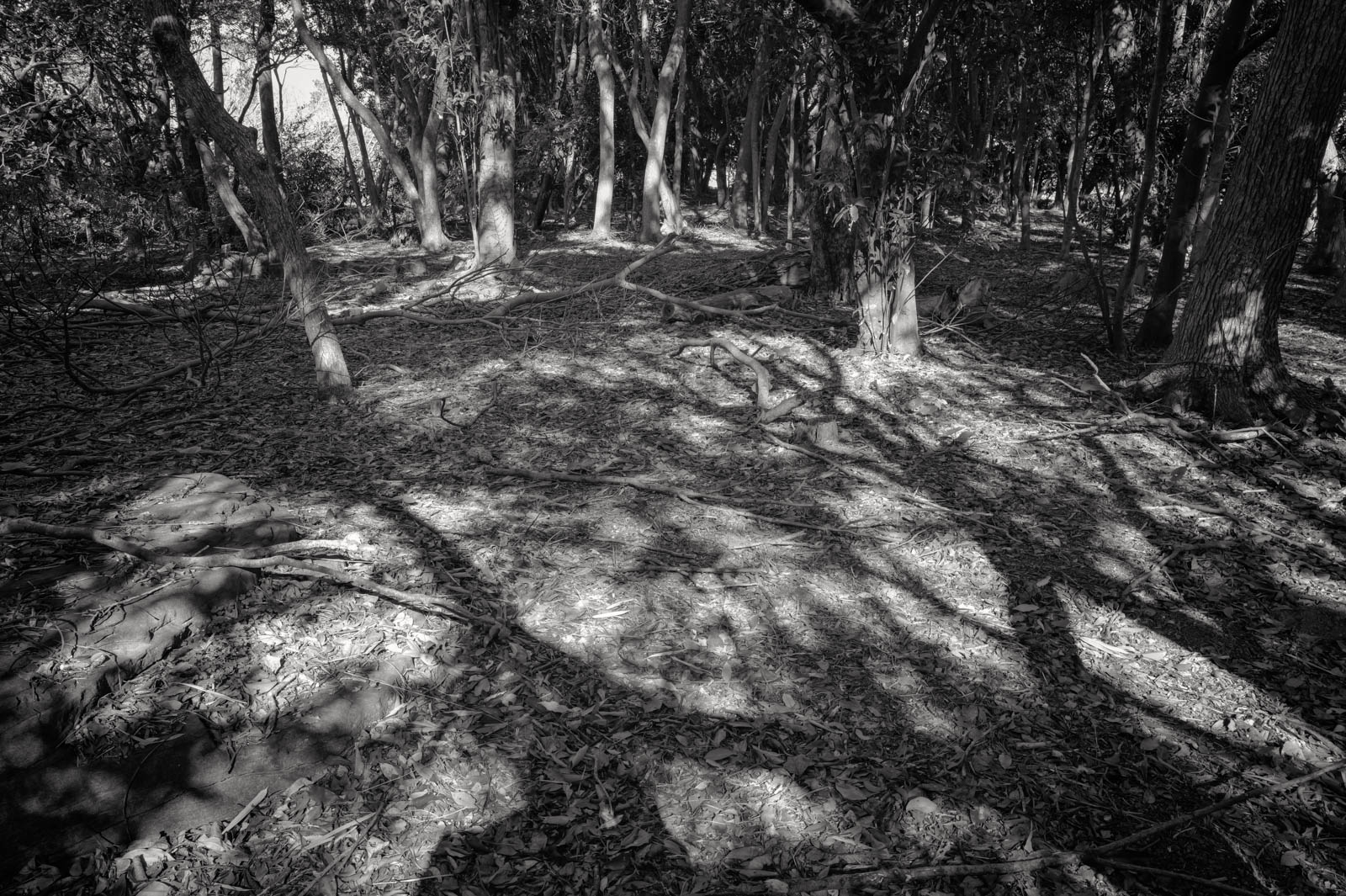
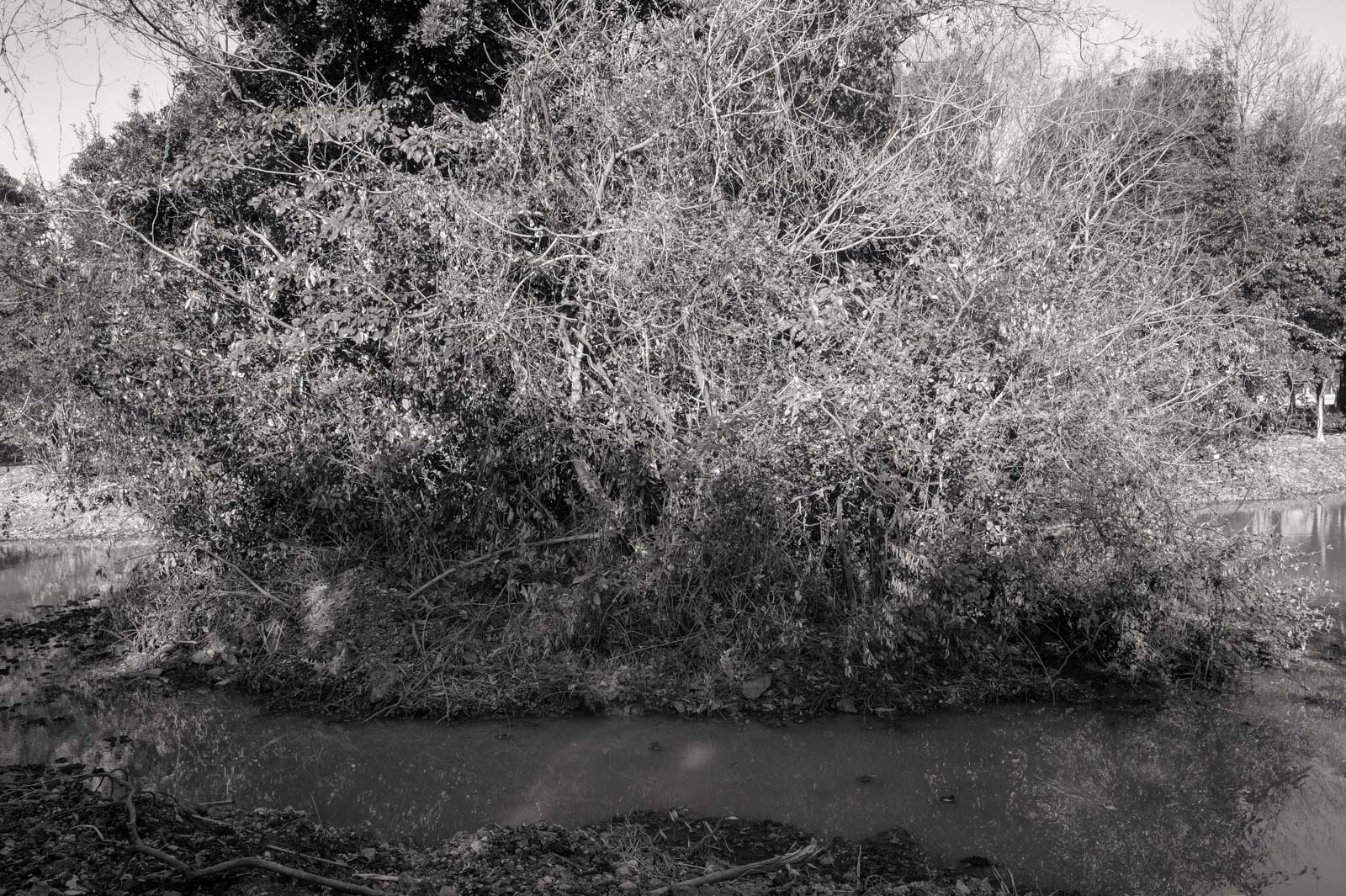
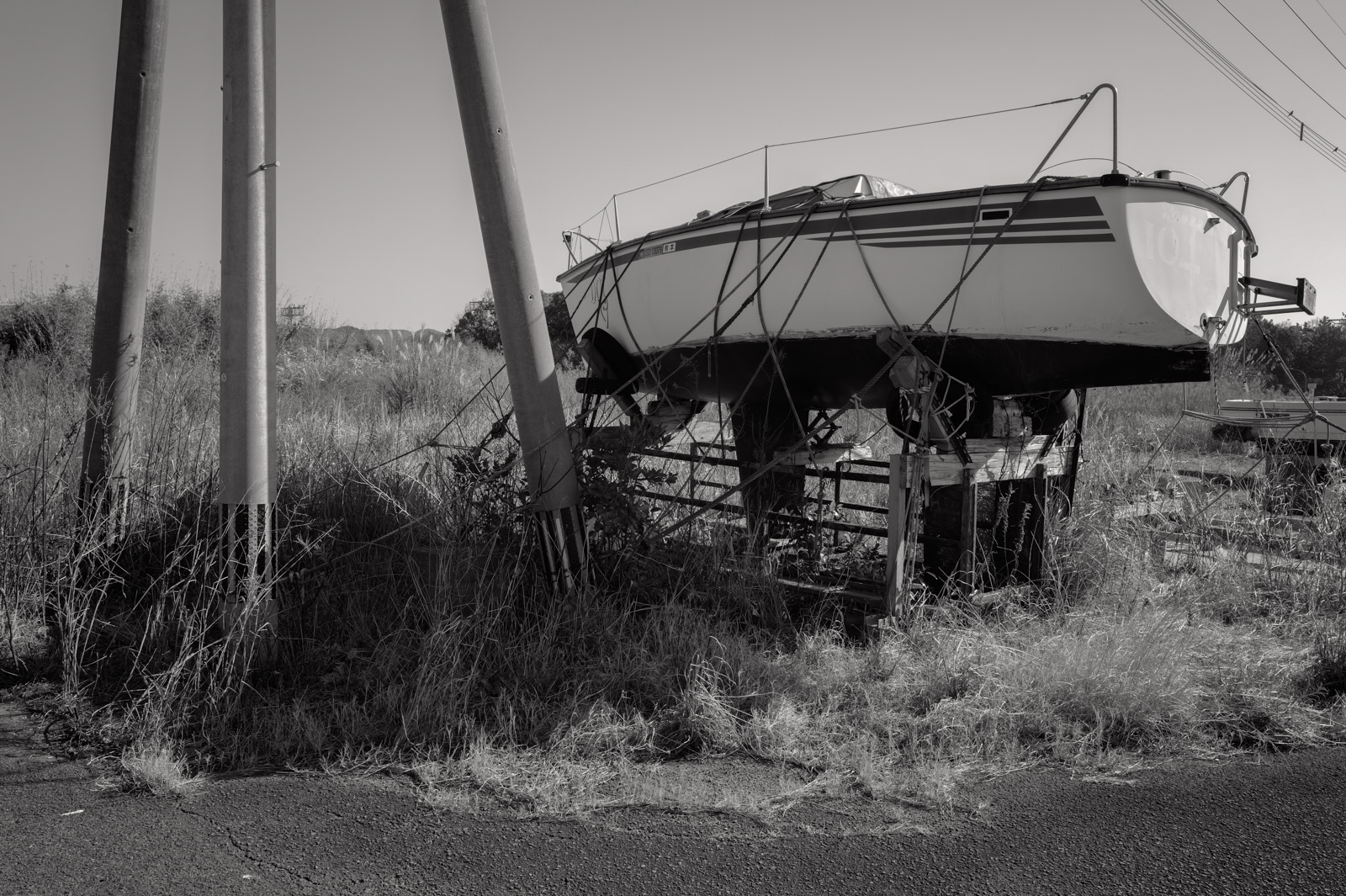
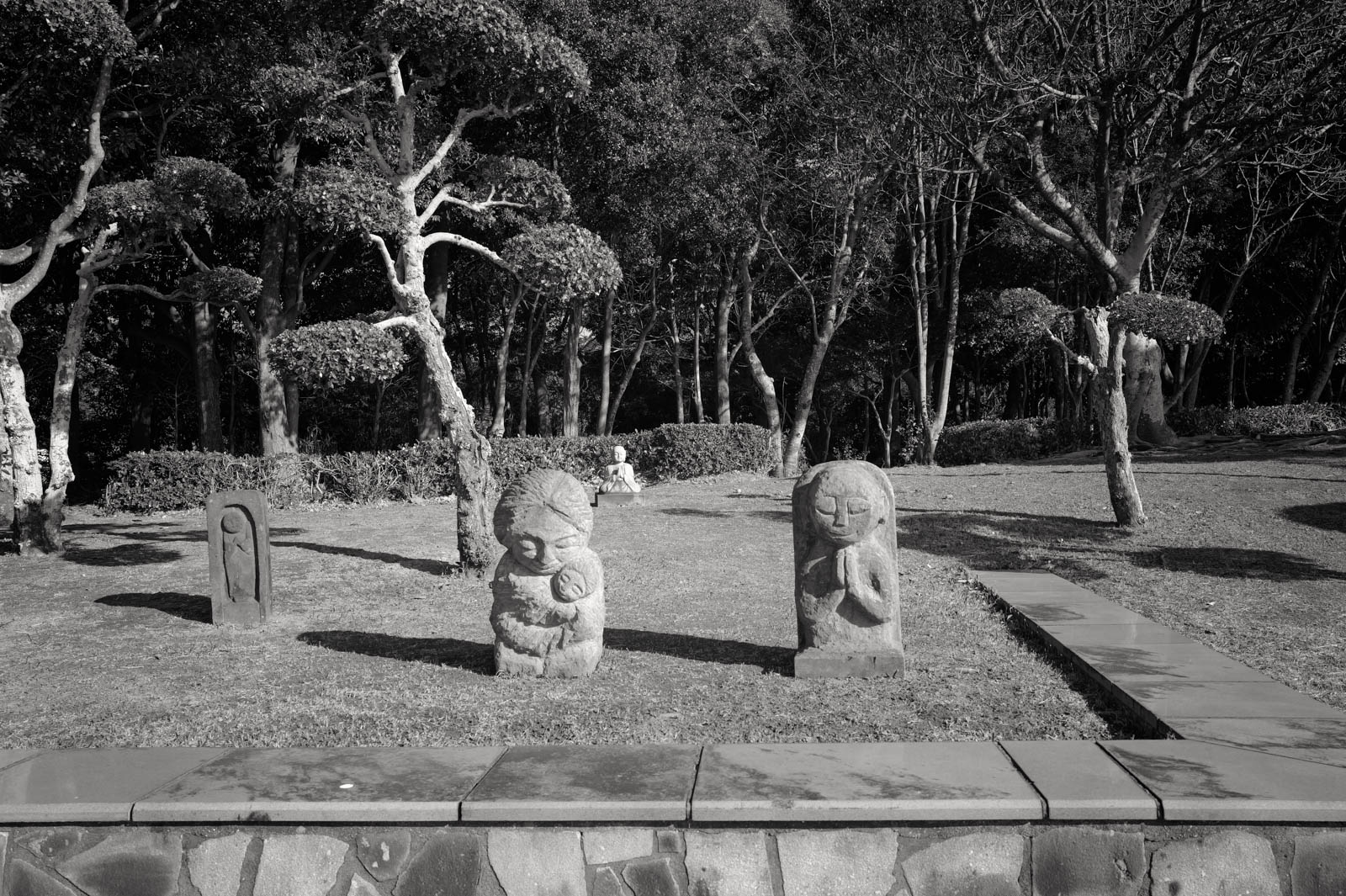
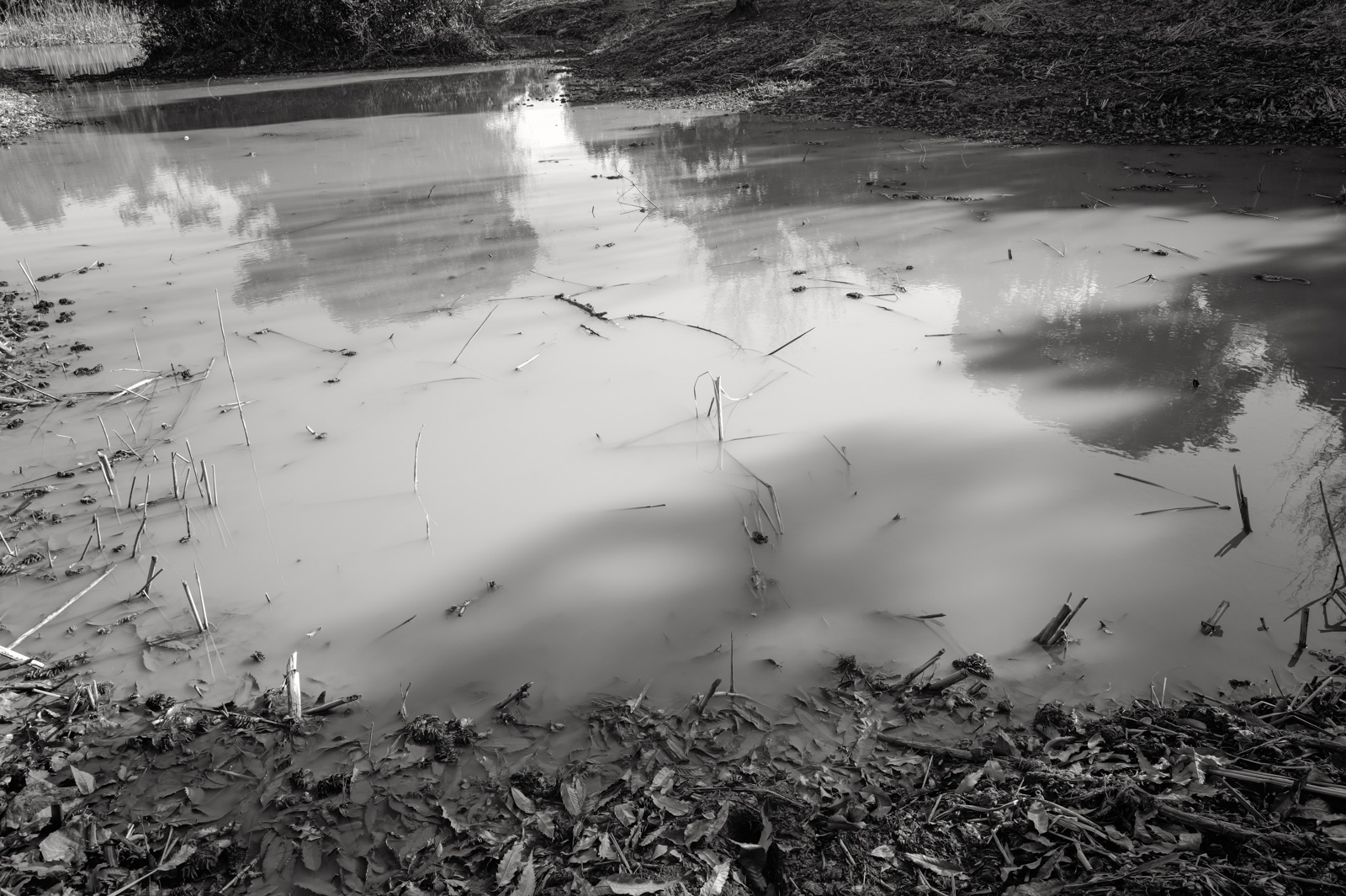
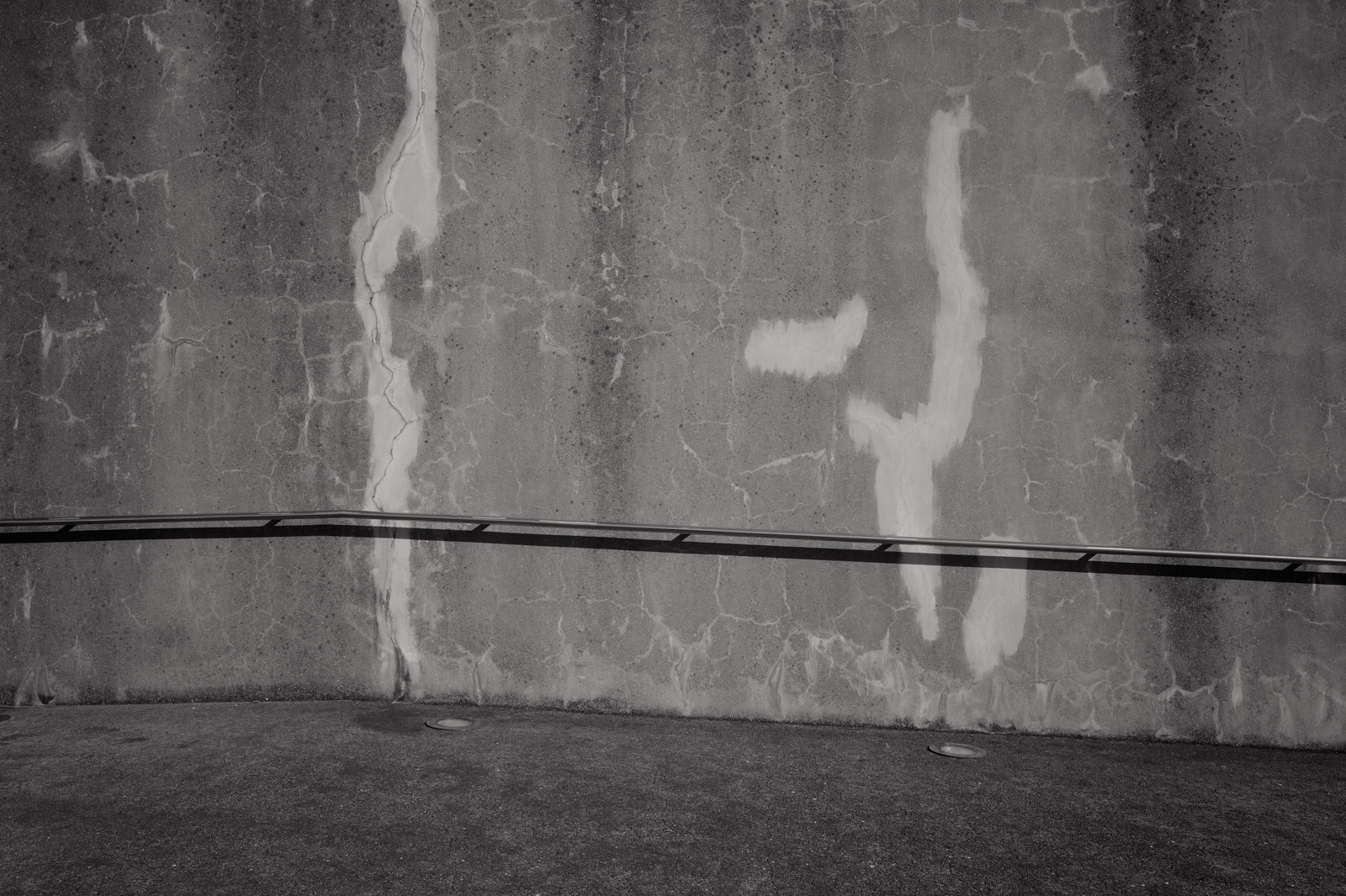
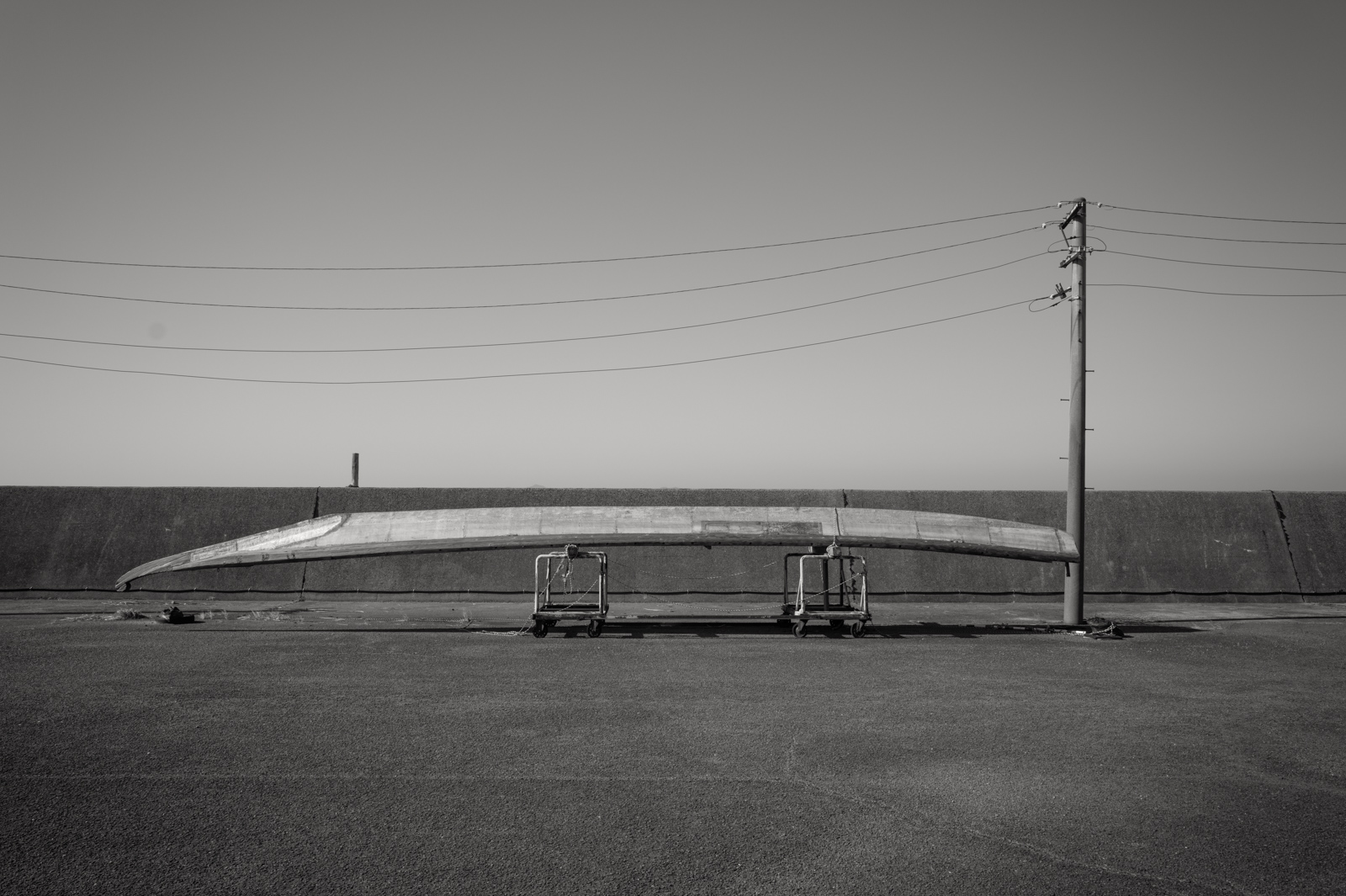
九州への出張を終えた週末、足を延ばして水俣を訪れた。水俣病は、私が生まれた翌年に最初の発症が公式に確認された公害病であり、学生時代を通して社会に重く影を落としていた出来事である。かねてより一度は水俣の地を訪れ、出来事を知識としてではなく、自身の感覚で受け止めたいと考えていた。患者発見から七十年という節目の年に、その機会を得た。
水俣病は、化学工場から排出されたメチル水銀が海に流れ込み、それを食物連鎖を通じて人々が摂取したことで発症した。原因究明や企業責任の認定には長い時間を要し、その過程で多くの患者や家族が差別や偏見、補償問題に苦しめられた。この出来事は、日本における公害問題の象徴として、環境行政や企業の社会的責任、科学と社会の関係のあり方を根底から問い直す契機となった。単なる地域の問題にとどまらず、近代化の影の部分を社会全体に突きつけた出来事であったと言える。
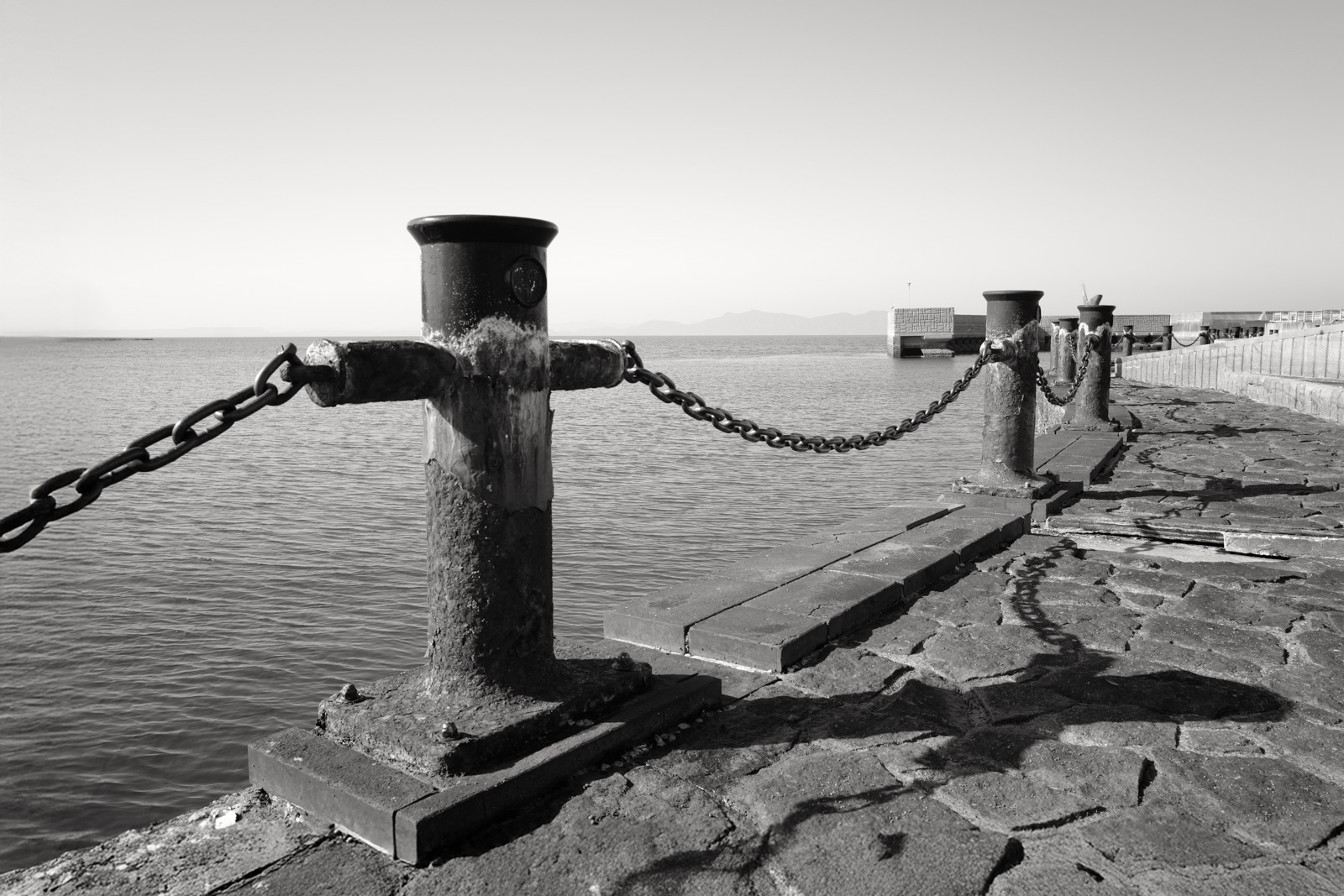
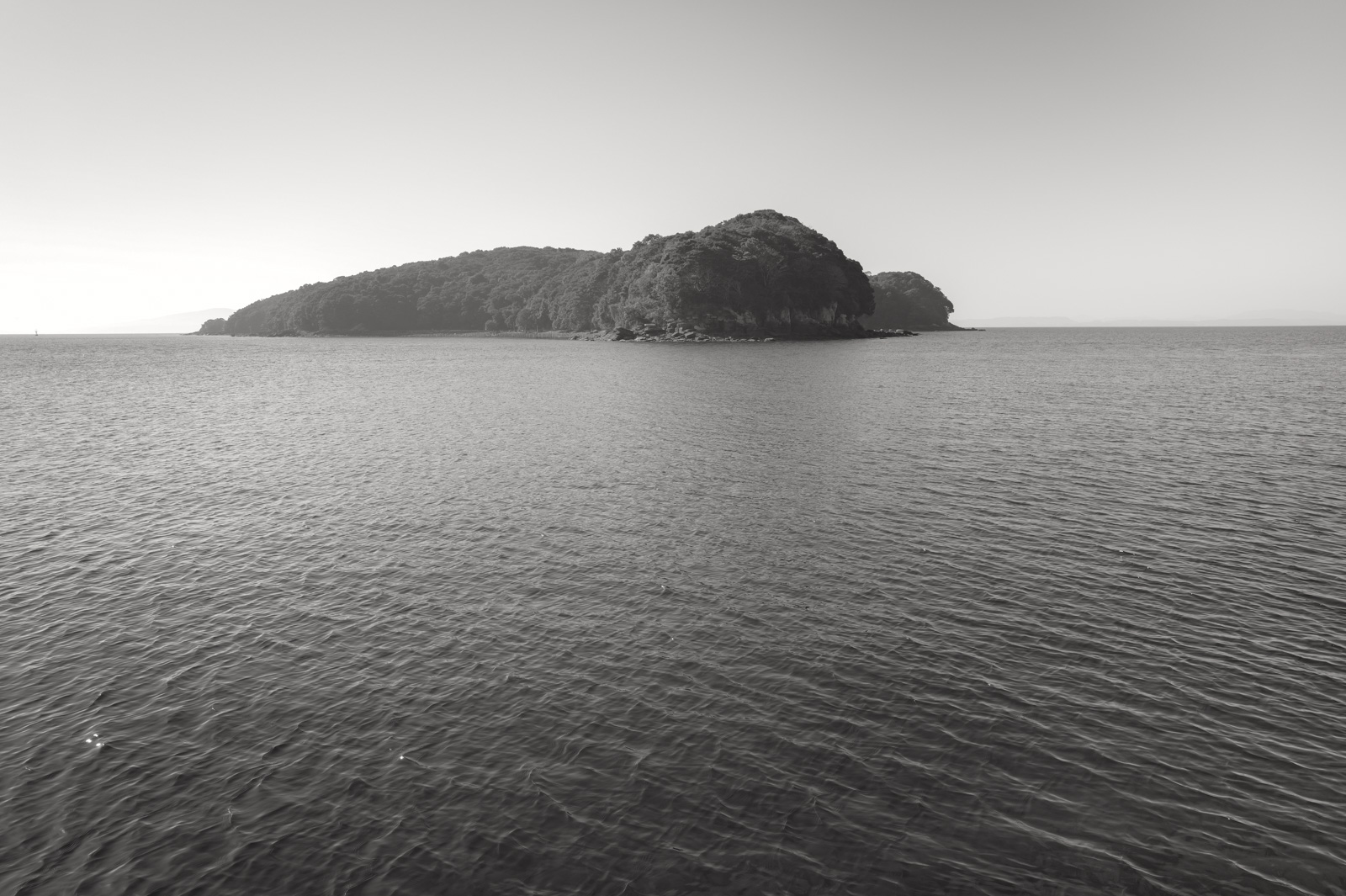
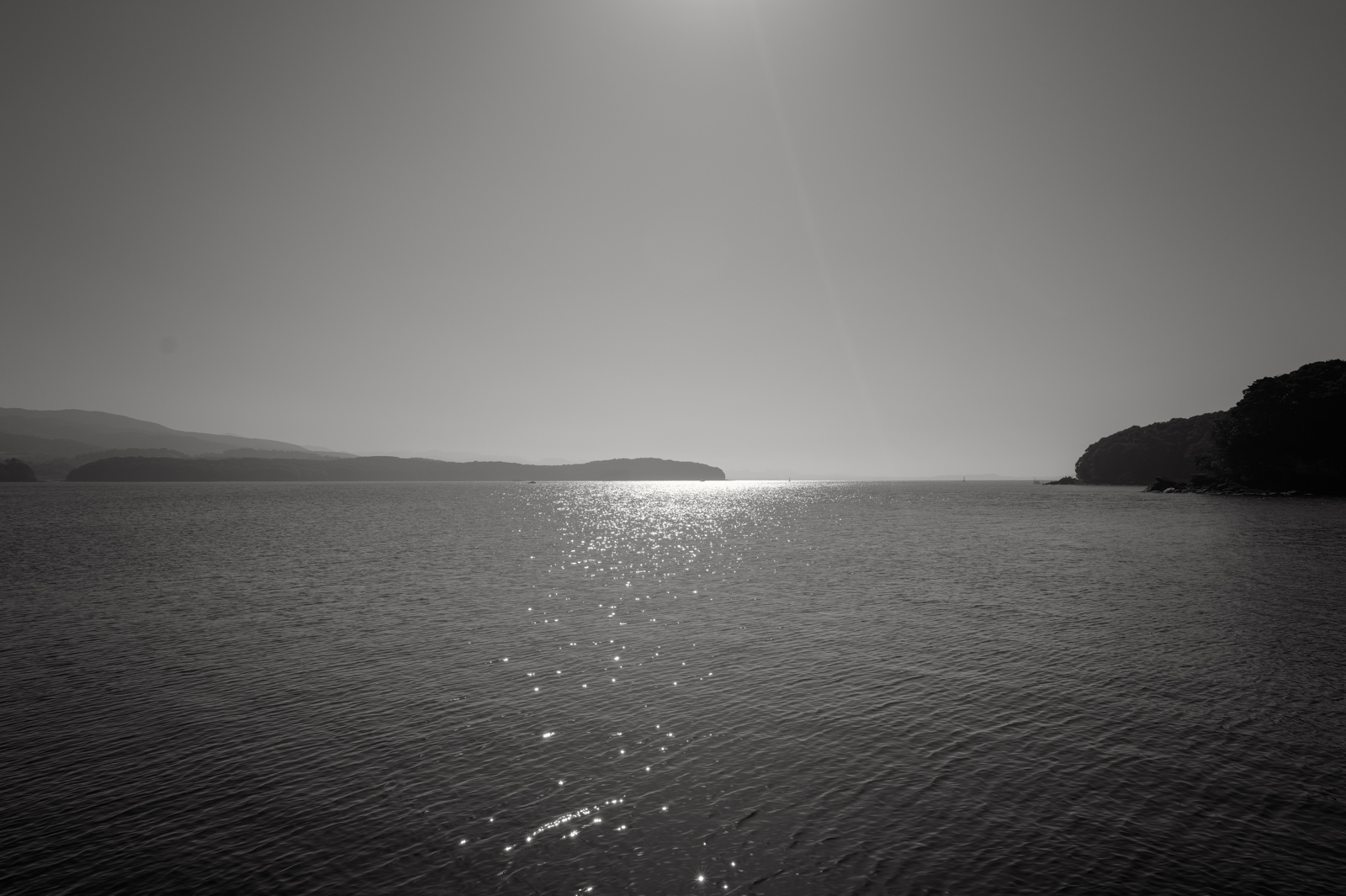
この度、生まれて初めて水俣を訪れた。水俣病資料館にて歴史や当時の時代背景を学んだが、水俣湾には、かつての出来事が容易には想像できないほど穏やかで美しい海が広がっていた。水俣に限らず、私自身の記憶に刻まれている重大な社会問題について、改めて学び、その土地を訪れ、静かに向き合ってみたいと思う。
After completing a business trip to Kyushu, I extended my stay over the weekend and traveled to Minamata. Minamata disease was officially recognized one year after I was born, and throughout my student years it remained a profound and unresolved social issue in Japan. For a long time, I had wished to visit Minamata—not only to learn about the disease again, but to confront it through direct experience. Seventy years after the first patients were identified, I was finally given that opportunity. Minamata disease was caused by methylmercury discharged from a chemical factory into the sea, which entered the human body through the food chain. The identification of the cause and the recognition of corporate responsibility took many years, during which patients and their families suffered not only from illness, but also from discrimination, social prejudice, and prolonged struggles for compensation. The incident became a defining symbol of environmental pollution in Japan, forcing society to reconsider environmental policy, corporate responsibility, and the relationship between science and society. It was not merely a regional tragedy, but a stark reflection of the darker side of modern industrialization. This was my first visit to Minamata. At the Minamata Disease Municipal Museum, I learned about the historical and social context of the time, yet the sea of Minamata Bay appeared calm and strikingly beautiful—so serene that it was difficult to imagine the suffering once associated with this place. Beyond Minamata, I feel compelled to revisit other significant social issues that have remained in my own memory, to study them anew, and to stand quietly in the landscapes where they unfolded.