

永平寺
/ 北陸・新潟 Hokuriku・Niigata/
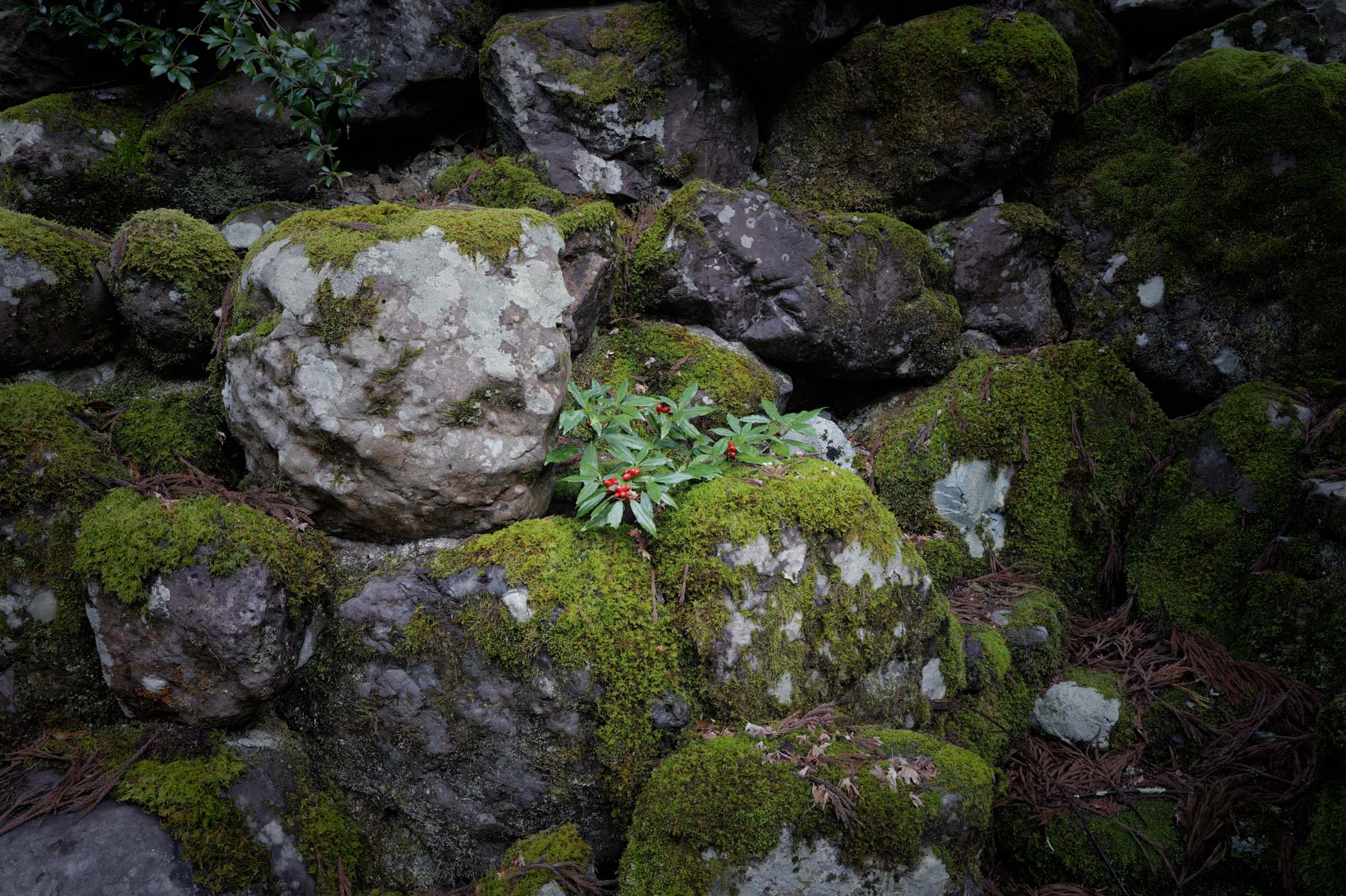
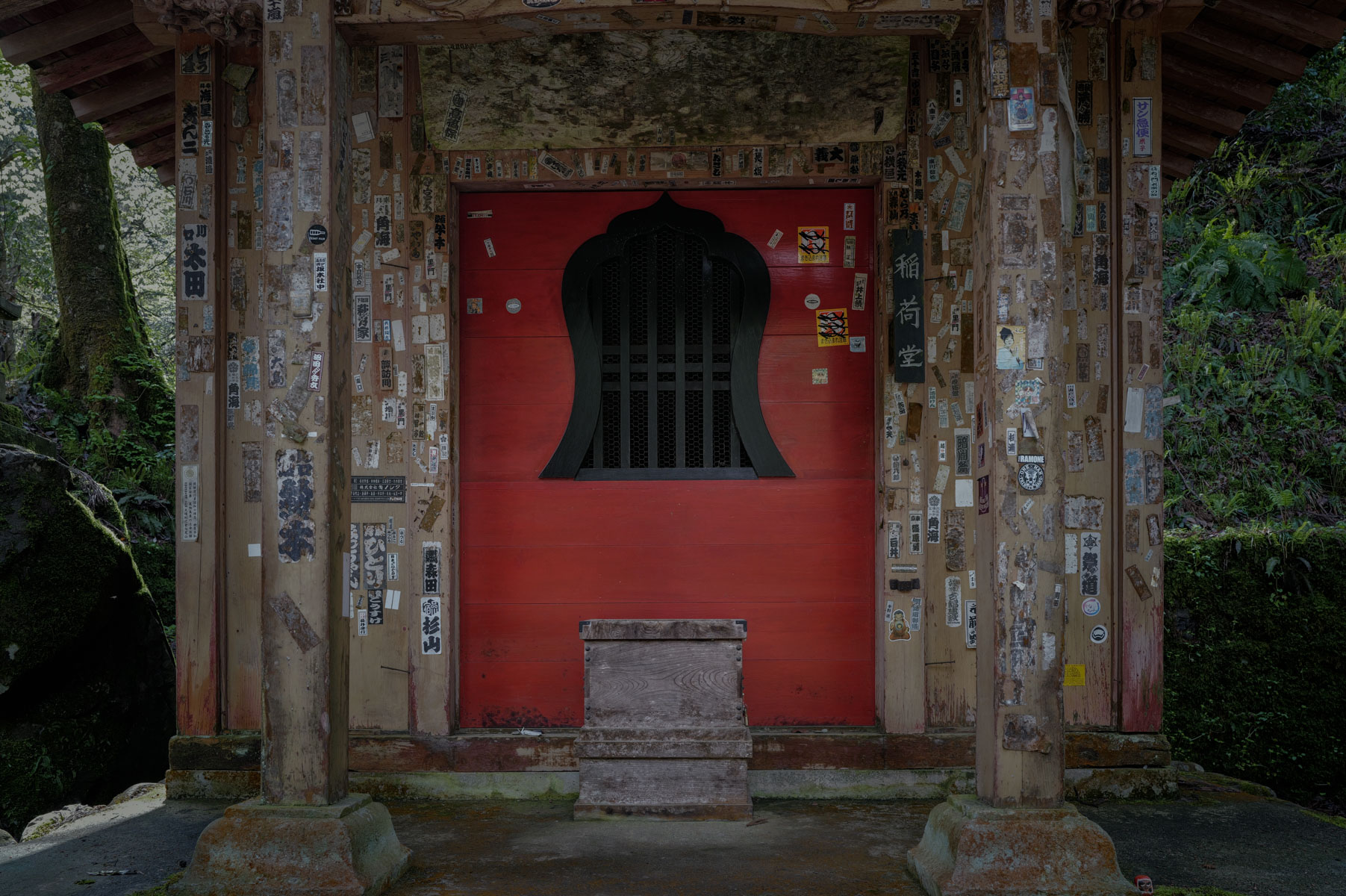
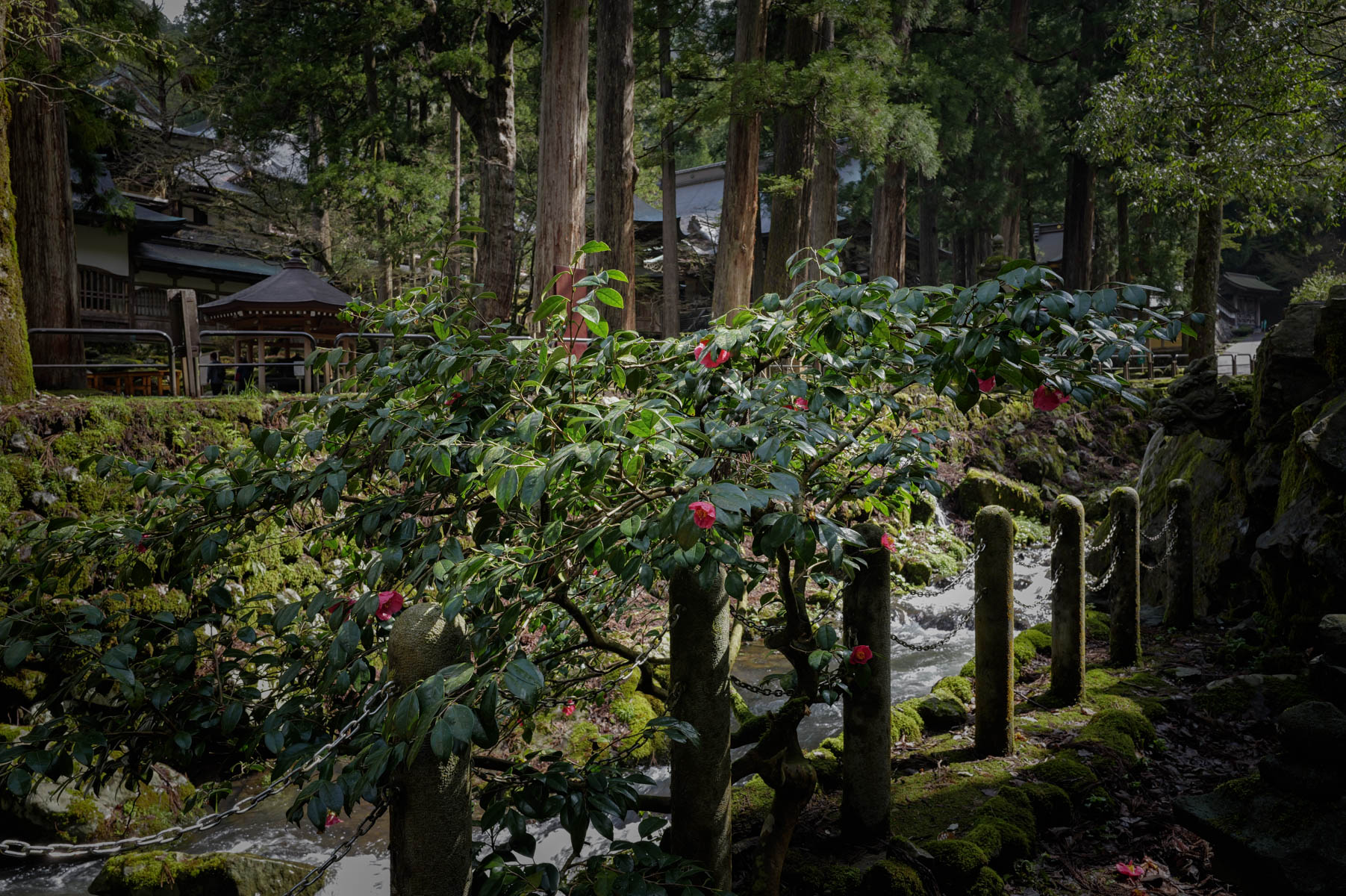
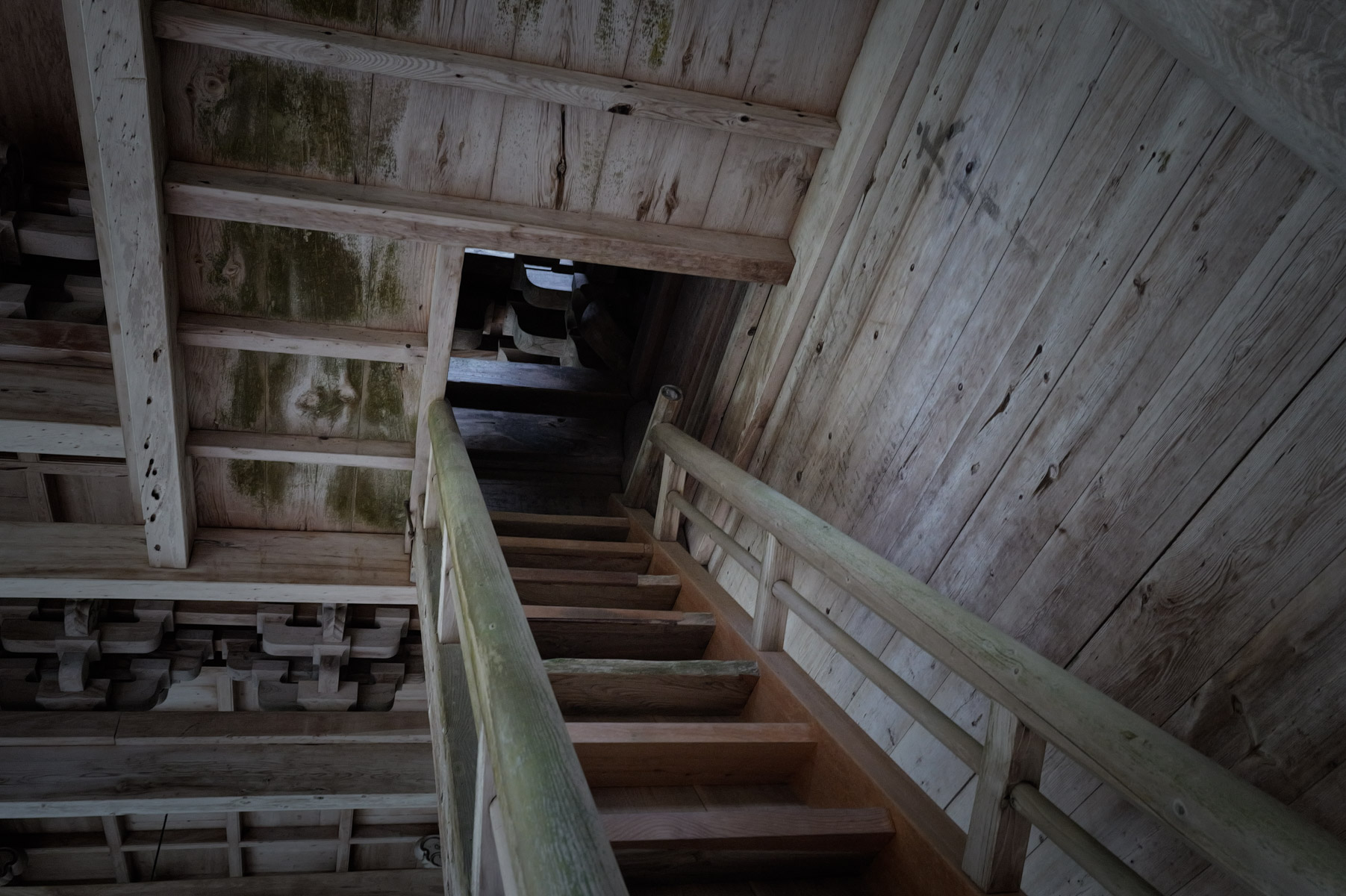
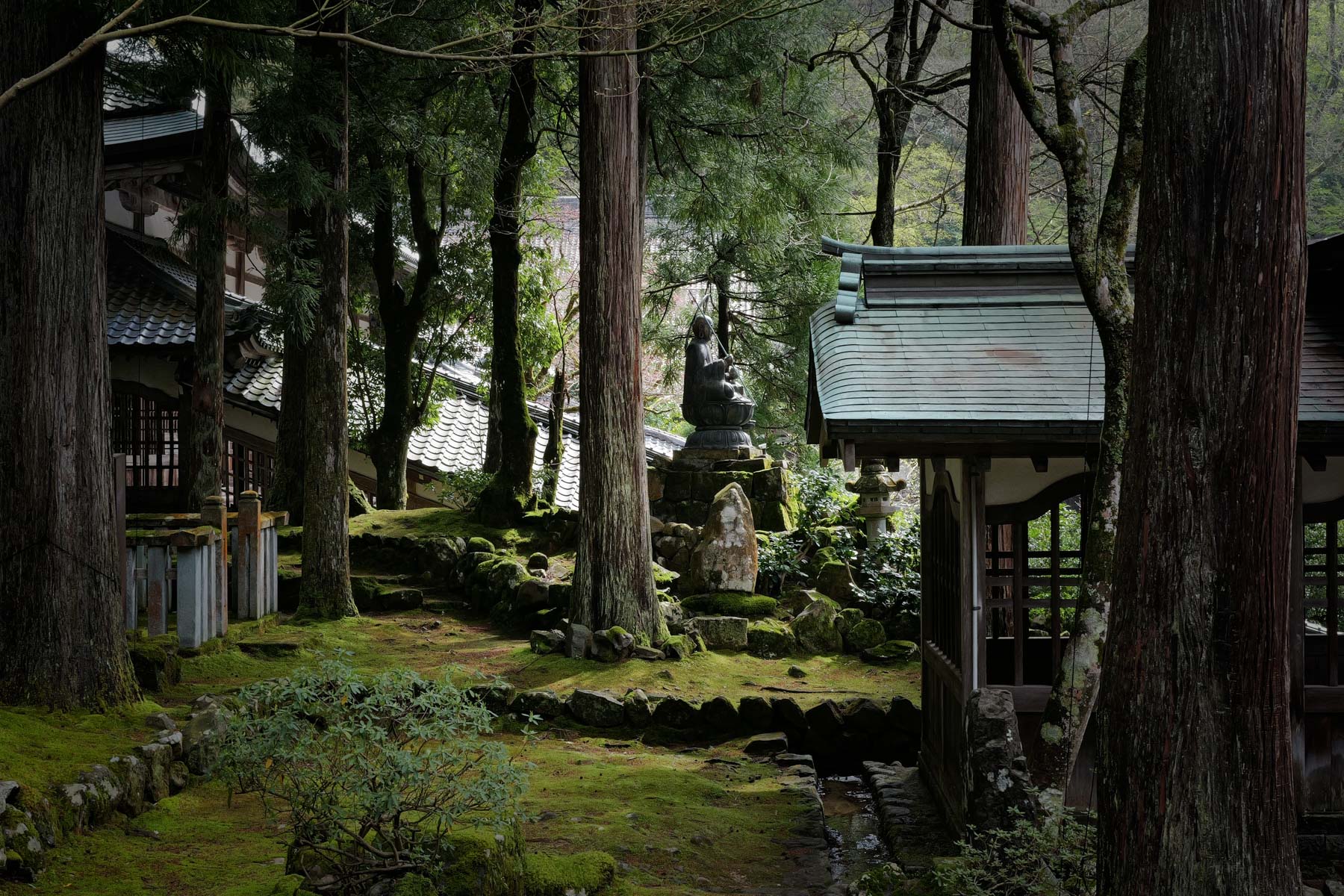
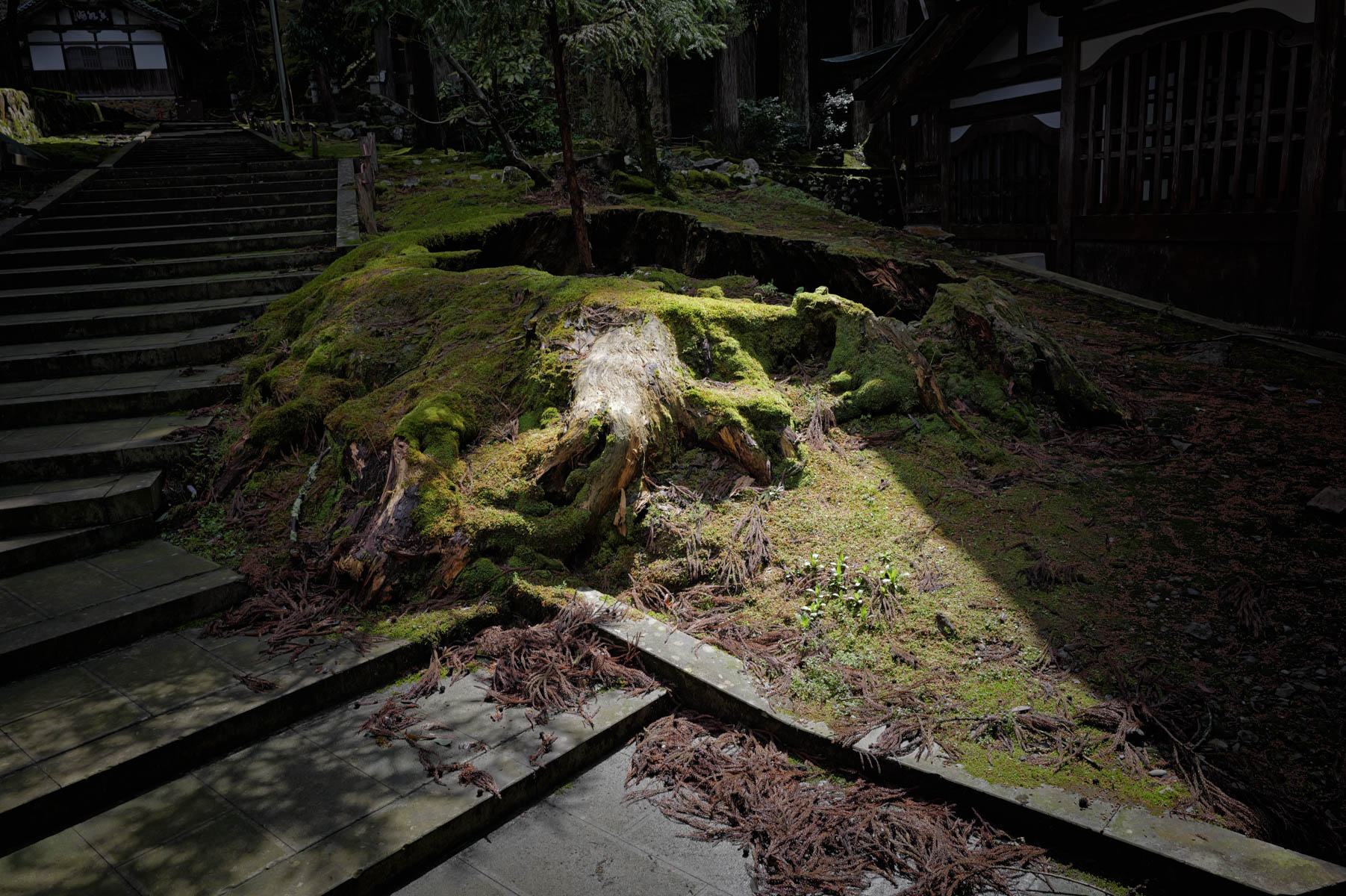
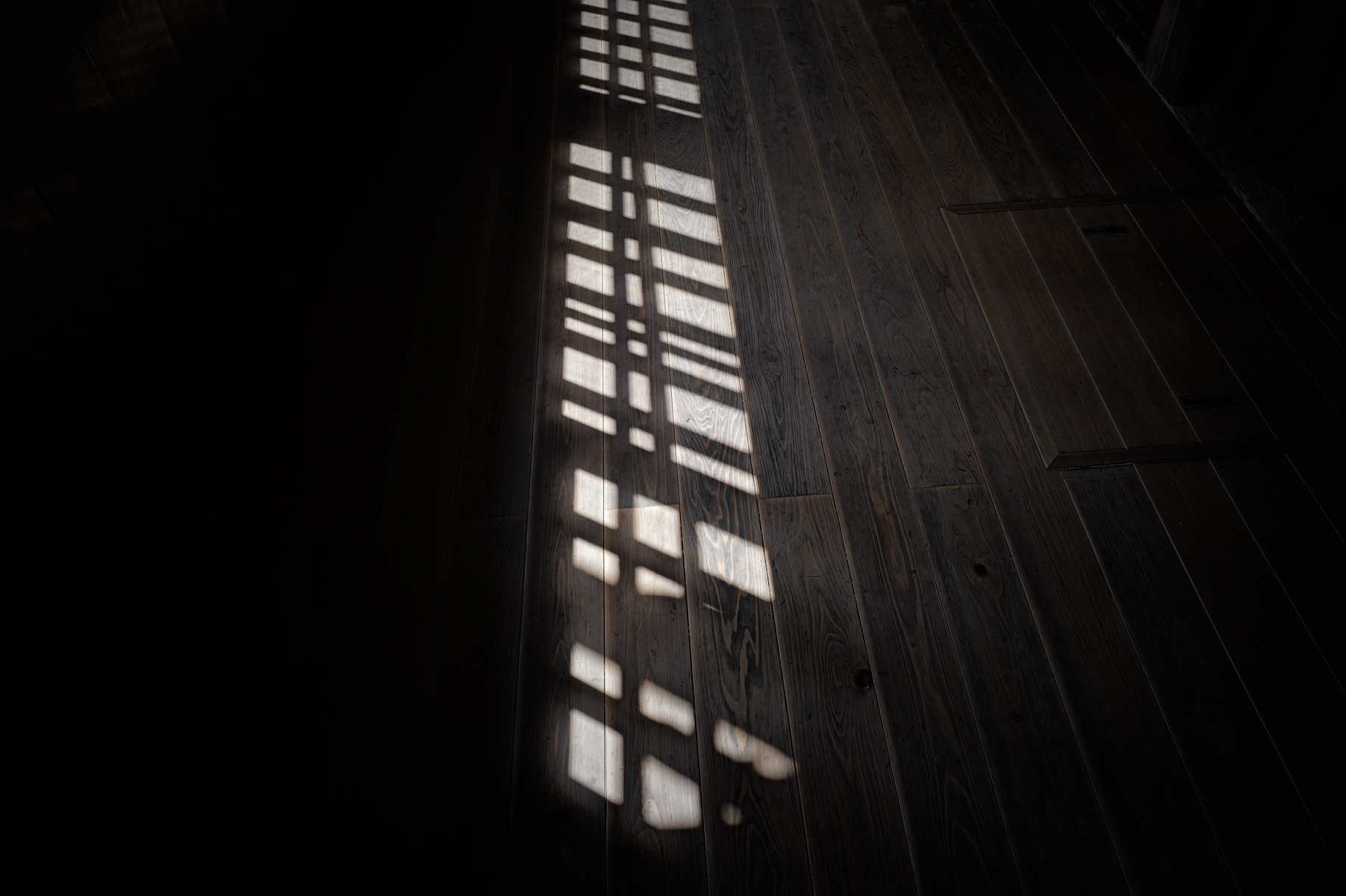
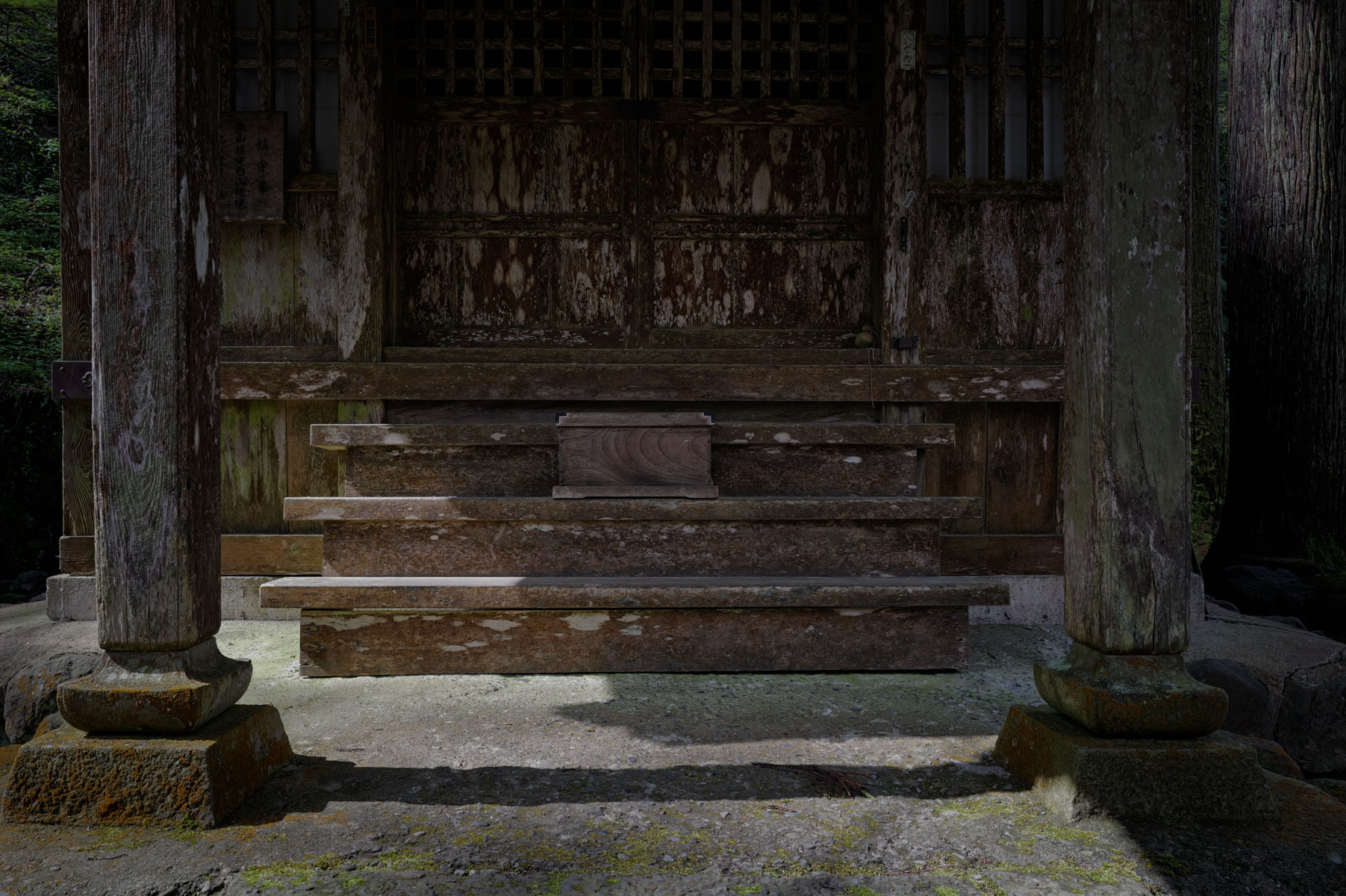
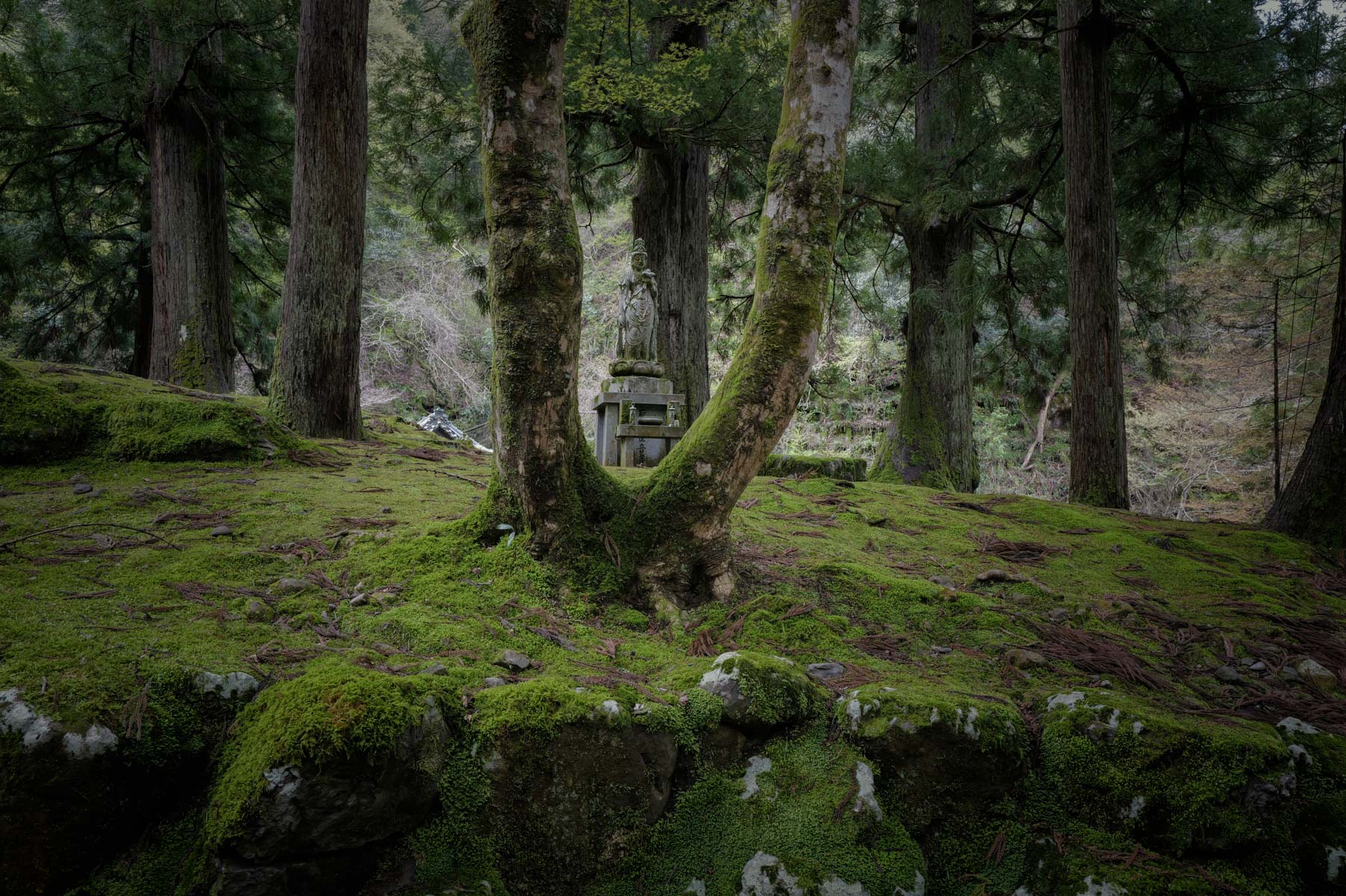
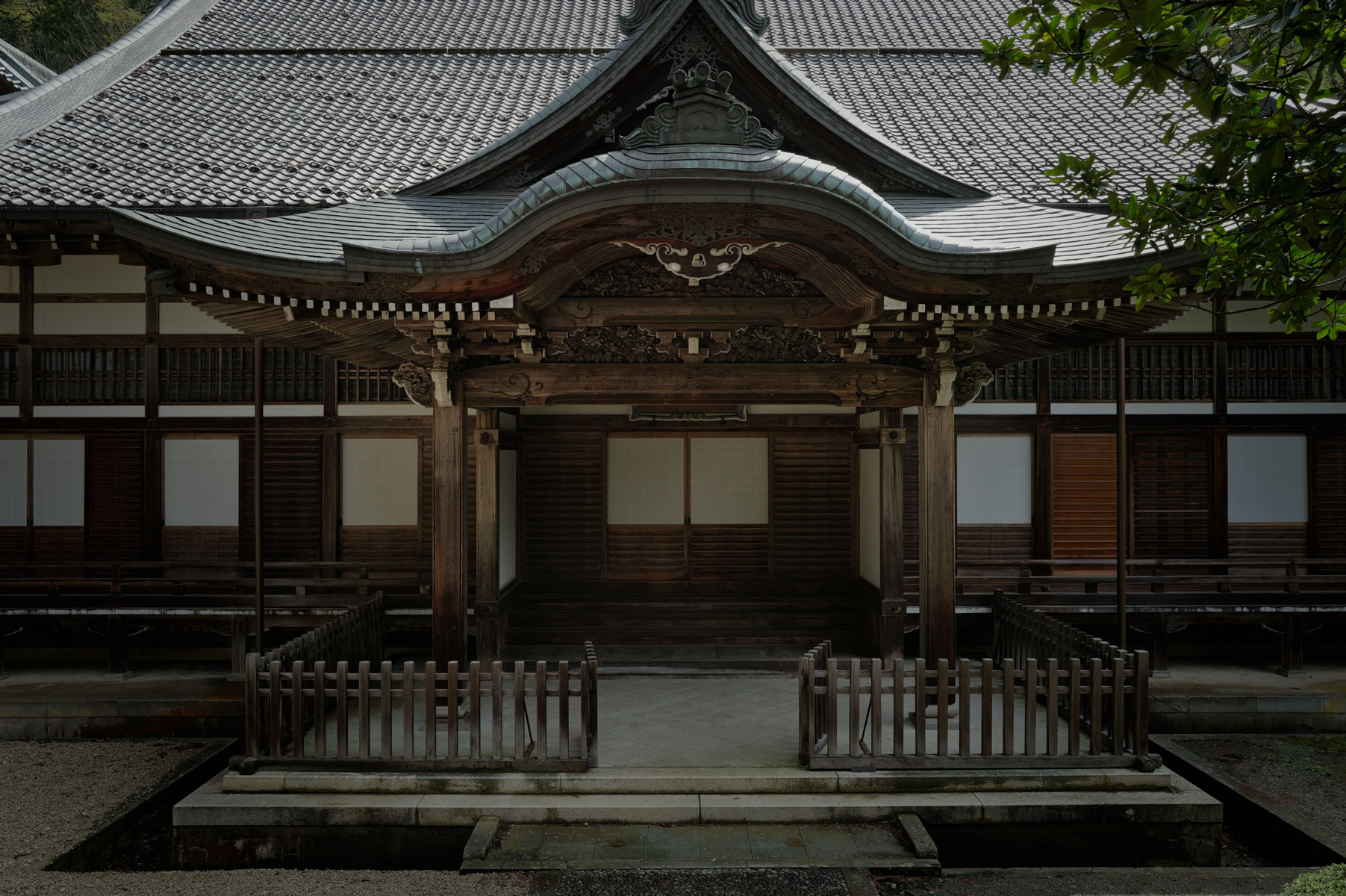
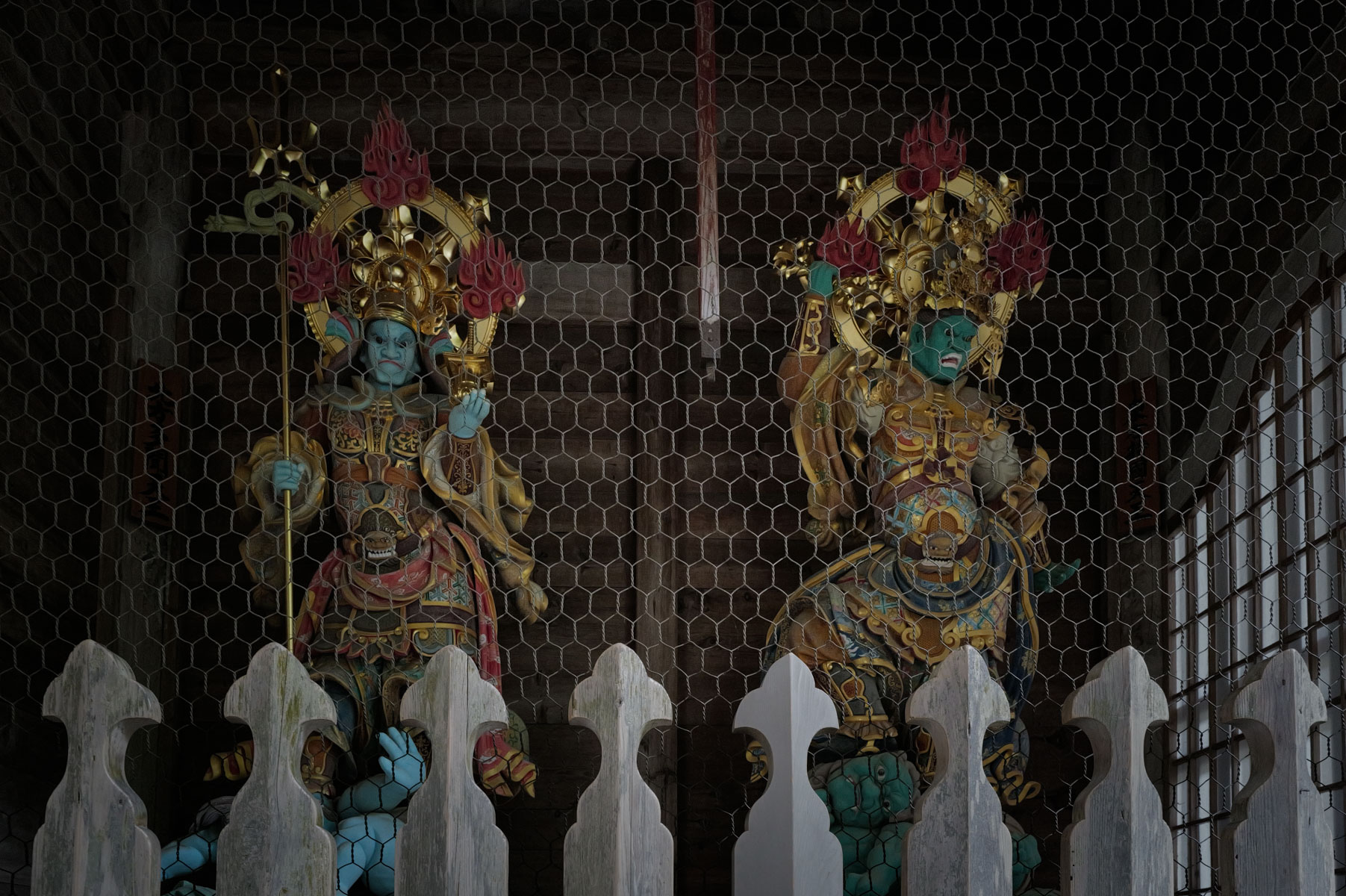
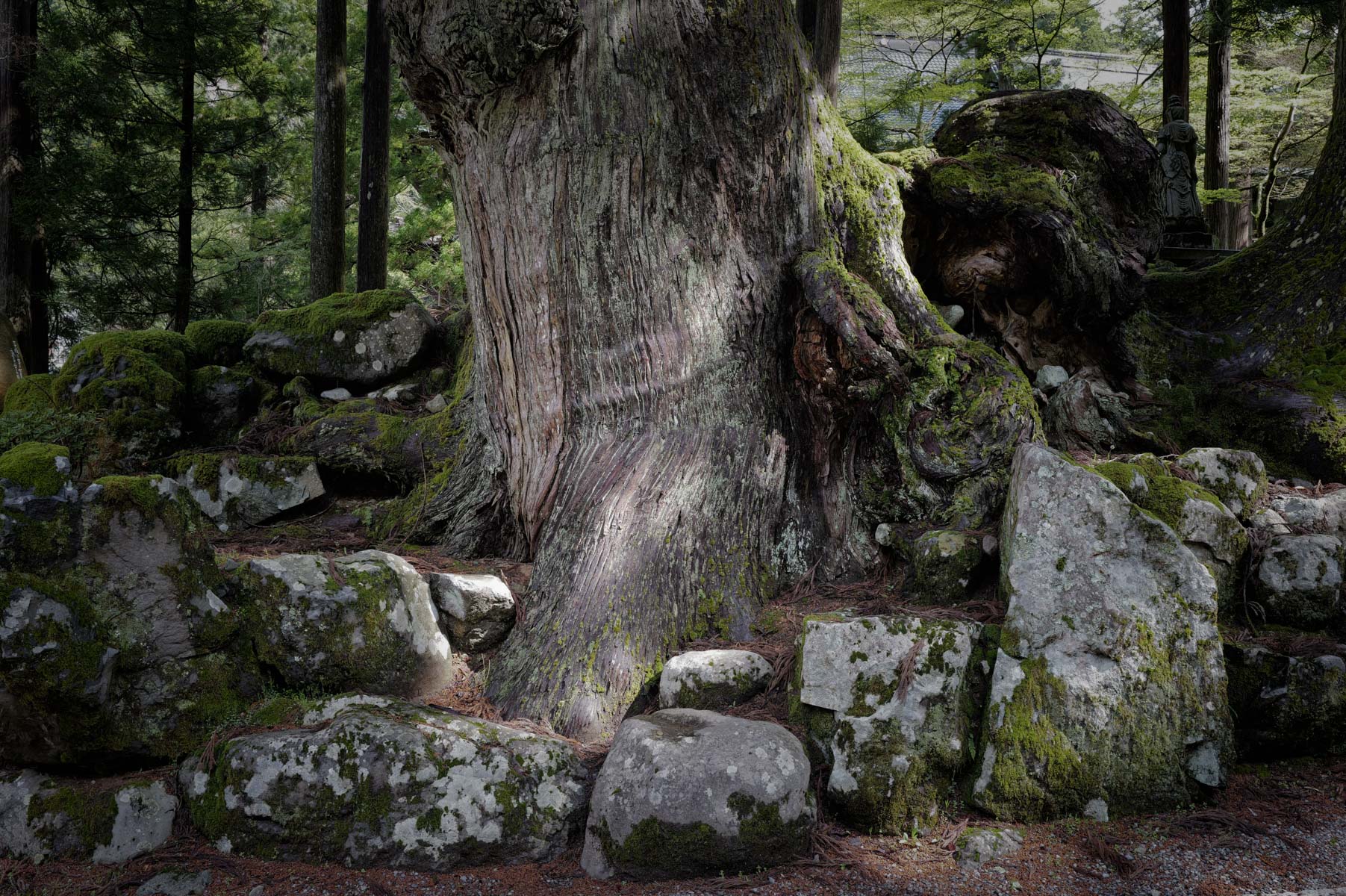
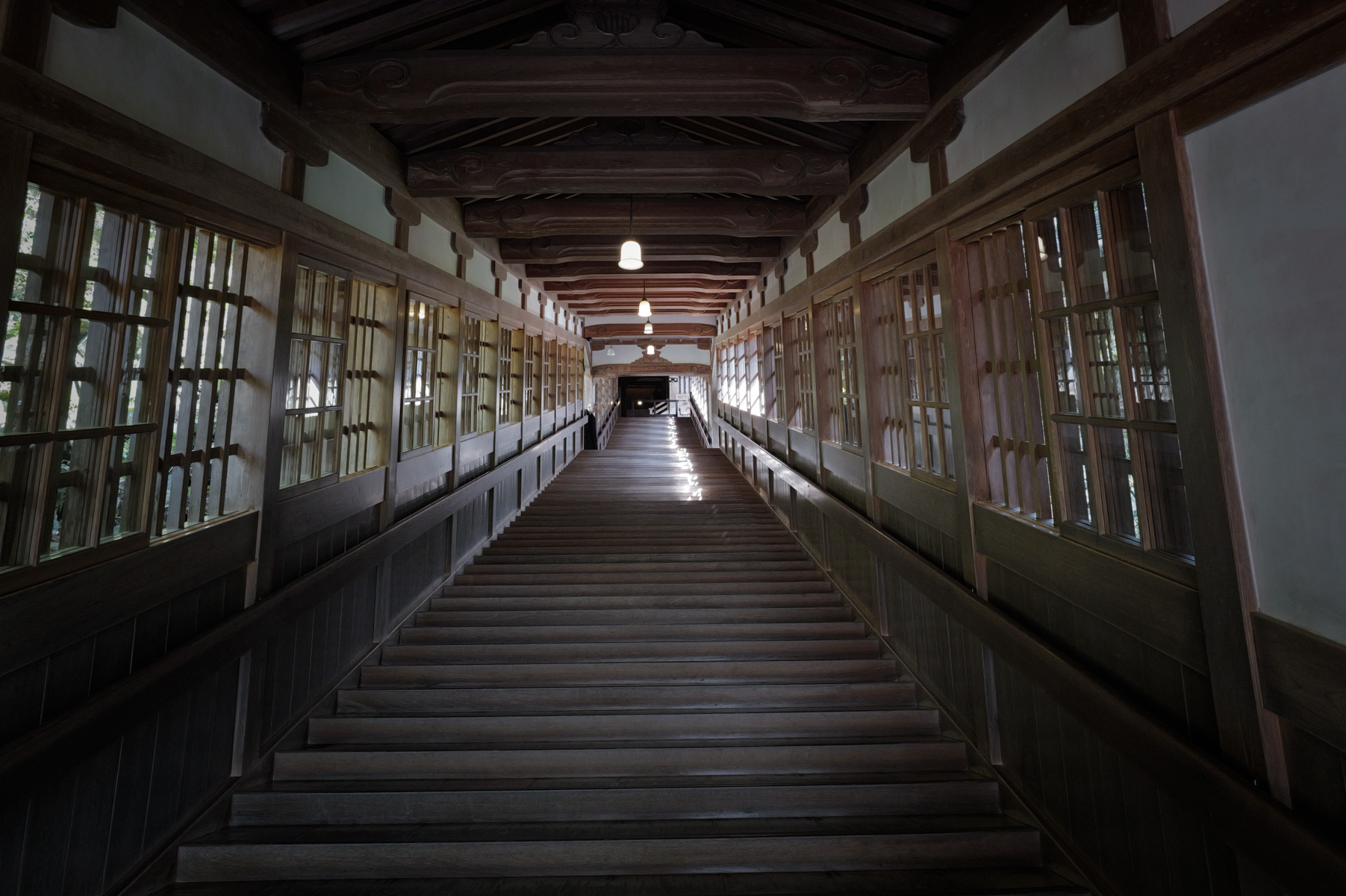
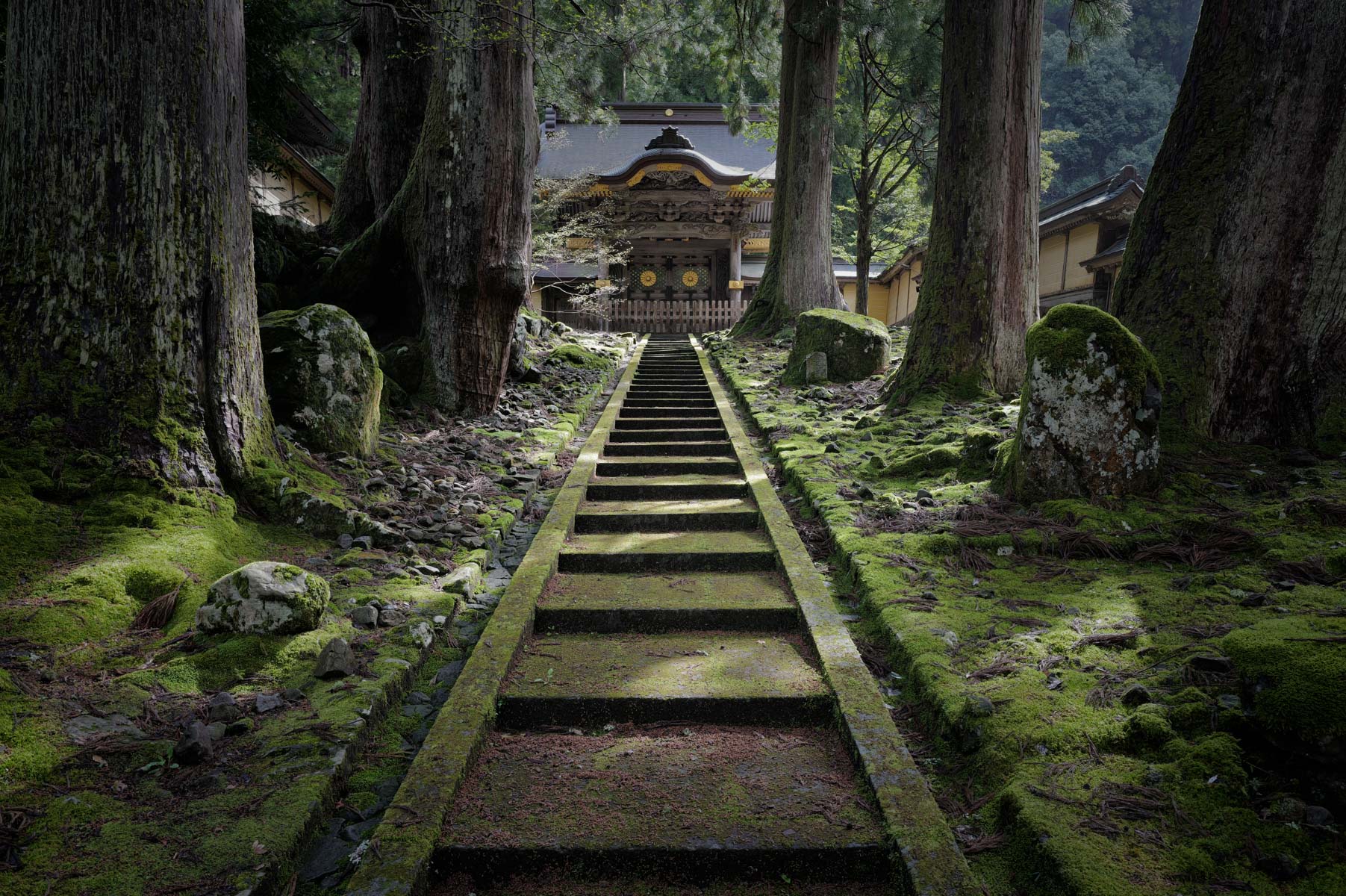
那谷寺を訪れた翌日、福井に一泊してから永平寺へと向かった。初めての訪問である。もう六十年近く前のことになるが、母が親戚との旅行で永平寺を訪れ、その印象をよく語っていた。子供心にその話を聞きながら、いつかは自分も行ってみたいと思ってきた場所だ。また、我が家は曹洞宗であり、その大本山であるこの寺にはいつか詣でなければという思いも長くあった。永平寺は、鎌倉時代の寛元2年(1244年)、道元禅師が越前の山中に開いた禅の修行道場である。道元は宋に渡って「只管打坐(しかんたざ)」——ただひたすら坐禅を組むことに徹する禅風を学んで帰国し、この深い山の中に道場を定めた。以来七百八十年余り、現在もなお二百名前後の雲水たちが厳しい修行の日々を送っている。広大な境内には七十を超える殿堂が山の斜面に重なり、山門、仏殿、法堂など修行に欠かせない七堂伽藍は回廊でつながれている。境内の至るところに樹齢数百年に及ぶ老杉が聳え、拝観者を深い静寂の中に包む。荘厳なイメージが先行し、どこか近づき難い場所という印象を持っていたが、実際に訪れると、拝観ルートに沿って堂内の奥まで進むことができ、境内に漂う凛とした空気の中にも思いがけない親しみやすさがあった。松尾芭蕉が奥の細道で「月清し遊行のもてる砂の上」と詠んで参詣したのも、この静けさゆえのことだと思う。母が語っていたのと同じ空気を、六十年の時を経て自分も吸っているのだと思うと、感慨は深かった。
After visiting Natadera Temple, I spent a night in Fukui and made my way to Eiheiji the following morning — my first visit. The temple had been in my thoughts for a long time. Some sixty years ago, my mother visited Eiheiji on a trip with relatives and spoke of it often — with a reverence that stayed with me through childhood and beyond. Our family follows the Sōtō school of Zen Buddhism, and Eiheiji is one of its two great head temples, which gave me another reason to feel that I ought to visit at least once in my life. Eiheiji was founded in 1244 by the monk Dōgen, who had traveled to Song-dynasty China to study Zen and returned with the practice he called shikantaza — "just sitting," a form of meditation that asks for nothing but complete, undivided presence. He established his training monastery deep in the mountains of Echizen, far from the political and religious centers of the capital, and the temple has remained a living place of practice ever since. Today, around two hundred unsui — trainee monks, their name meaning "cloud and water," ever-moving — continue their strict daily discipline within its walls. The vast grounds hold more than seventy structures, linked by covered corridors climbing the hillside, their ancient cedar pillars darkened with time. Towering cedars, some several centuries old, rise throughout the precinct, wrapping visitors in a deep, unhurried stillness. I had always imagined Eiheiji as solemn to the point of being forbidding. But the reality was different. The visiting route leads deep into the heart of the complex — through halls and corridors where the everyday rhythms of monastic life remain quietly present — and there was something unexpectedly welcoming in that. Matsuo Basho, too, was moved to visit during his Oku no Hosomichi journey, and wrote of the clarity he felt there. Standing in that stillness, I thought of my mother — how she had stood in this same air sixty years before, and tried to describe it to a child who could not yet understand. I understood it now.