

那谷寺
/ 北陸・新潟 Hokuriku・Niigata/
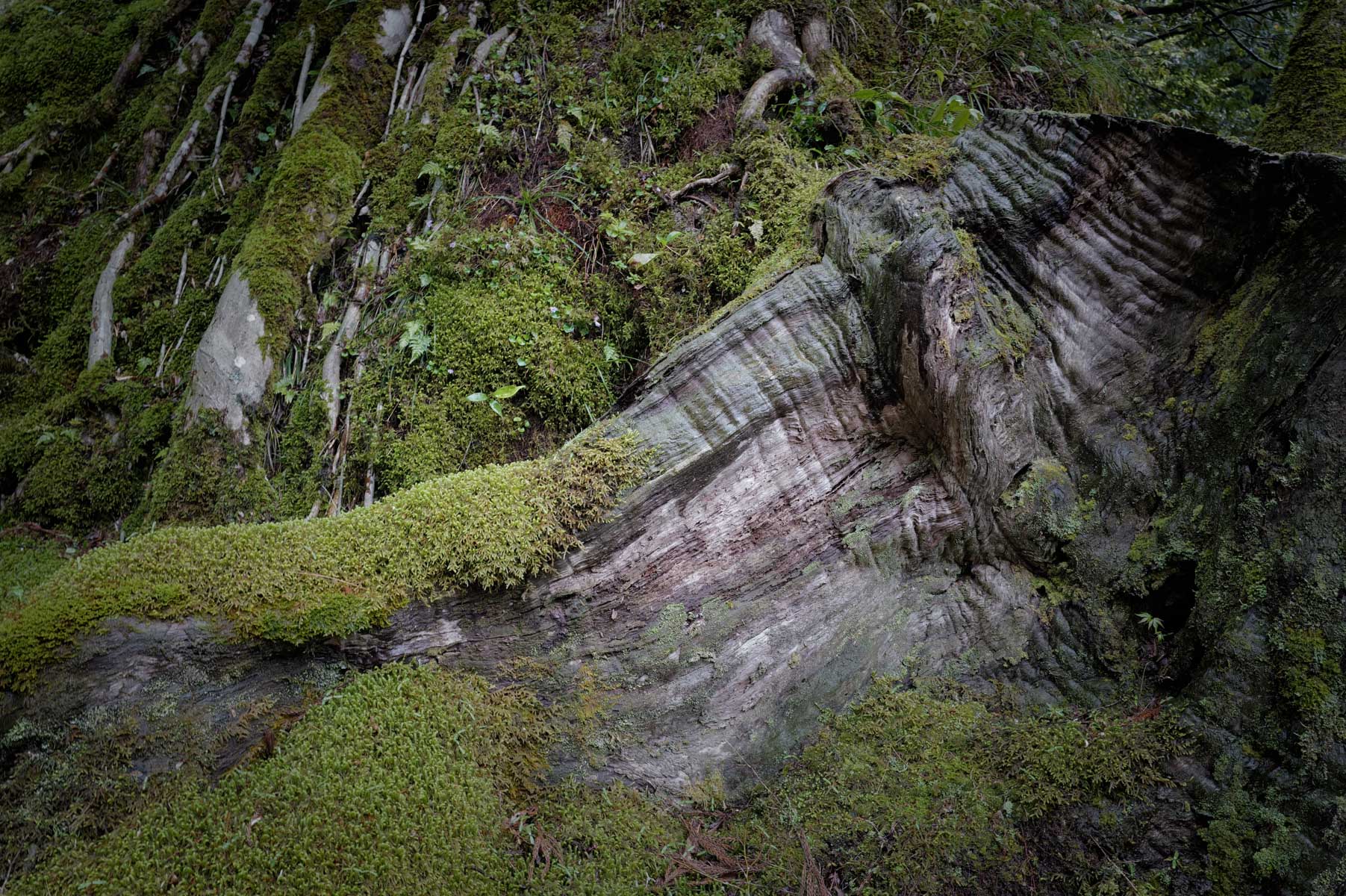
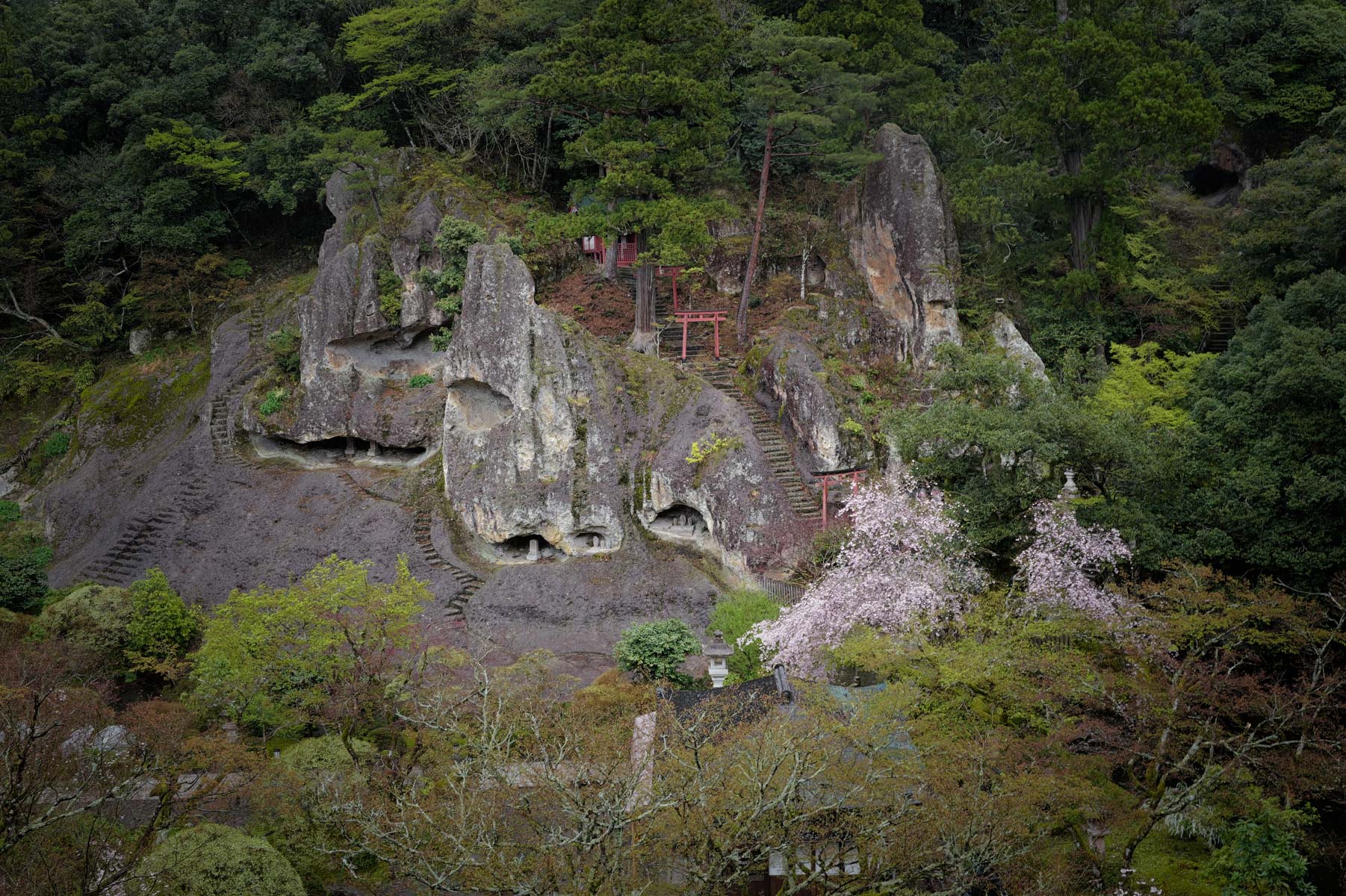
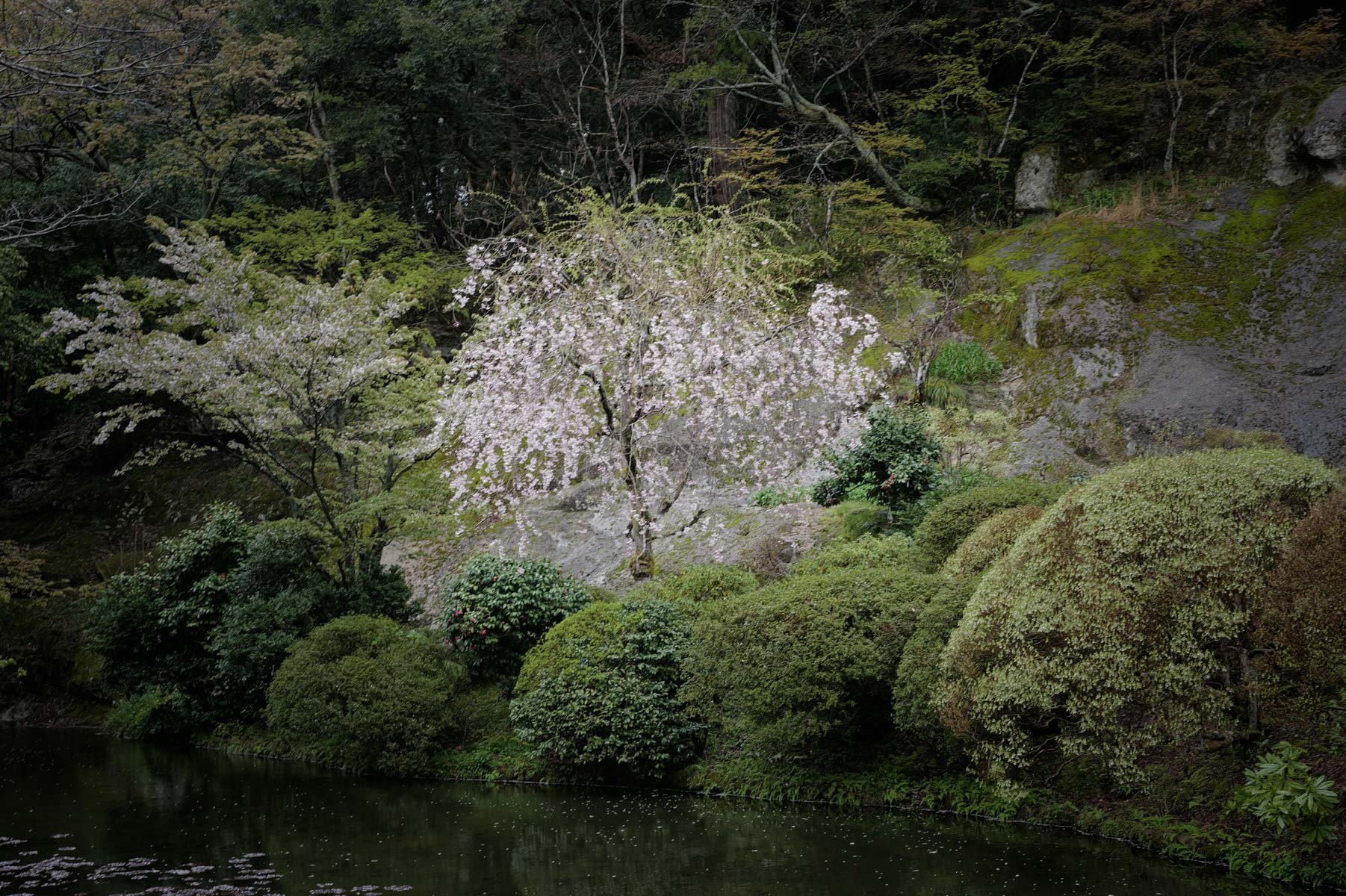
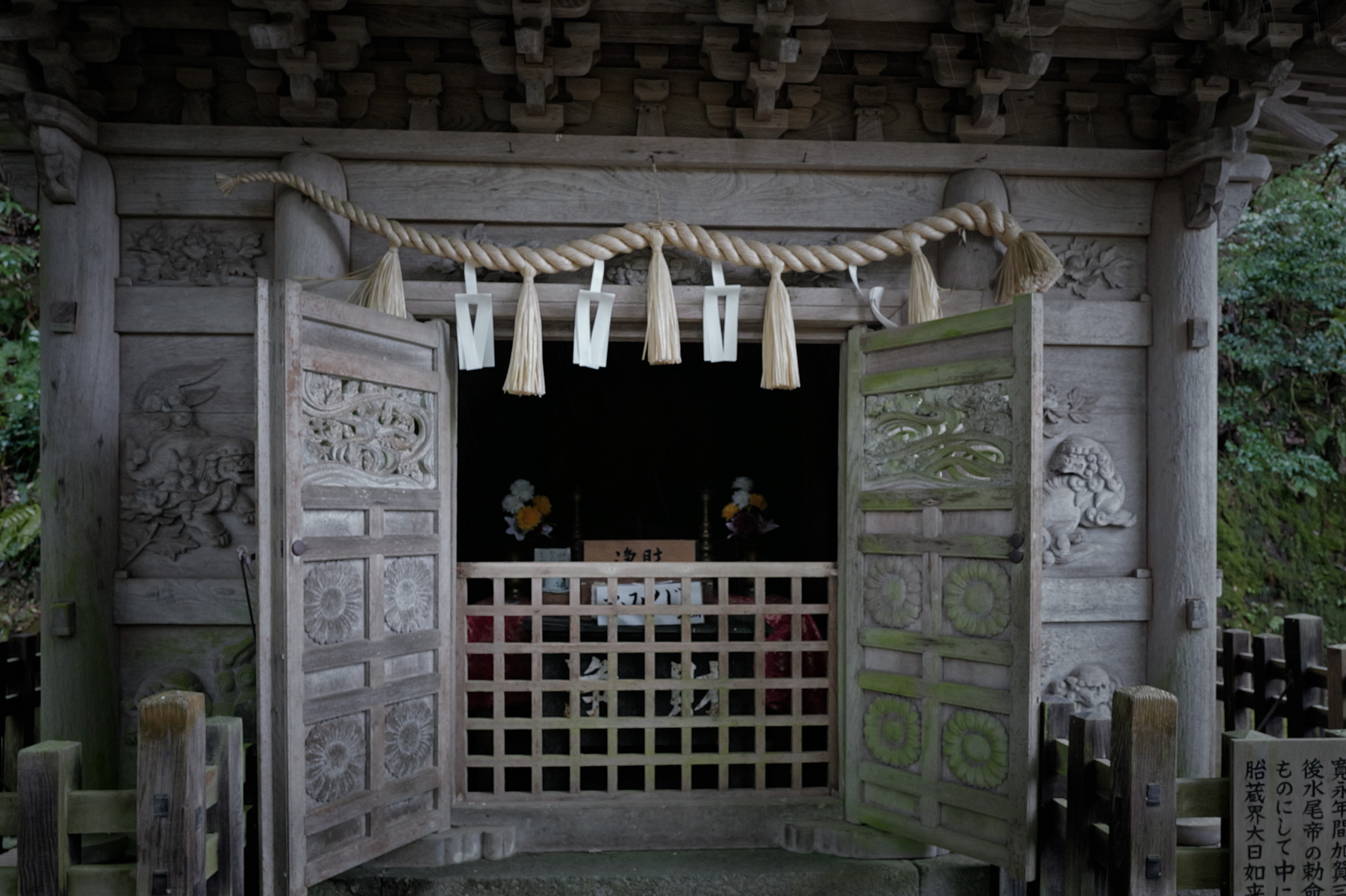
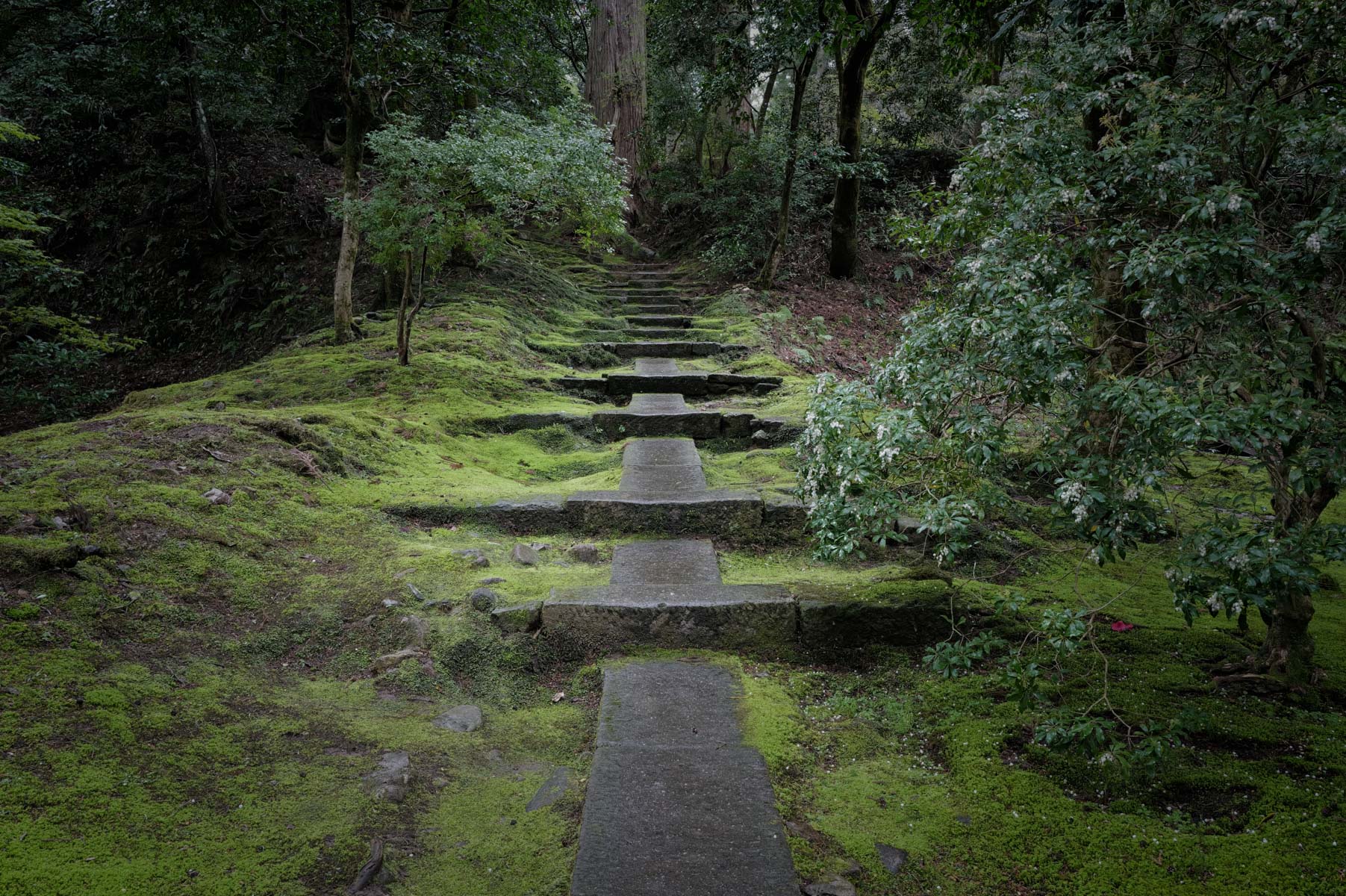
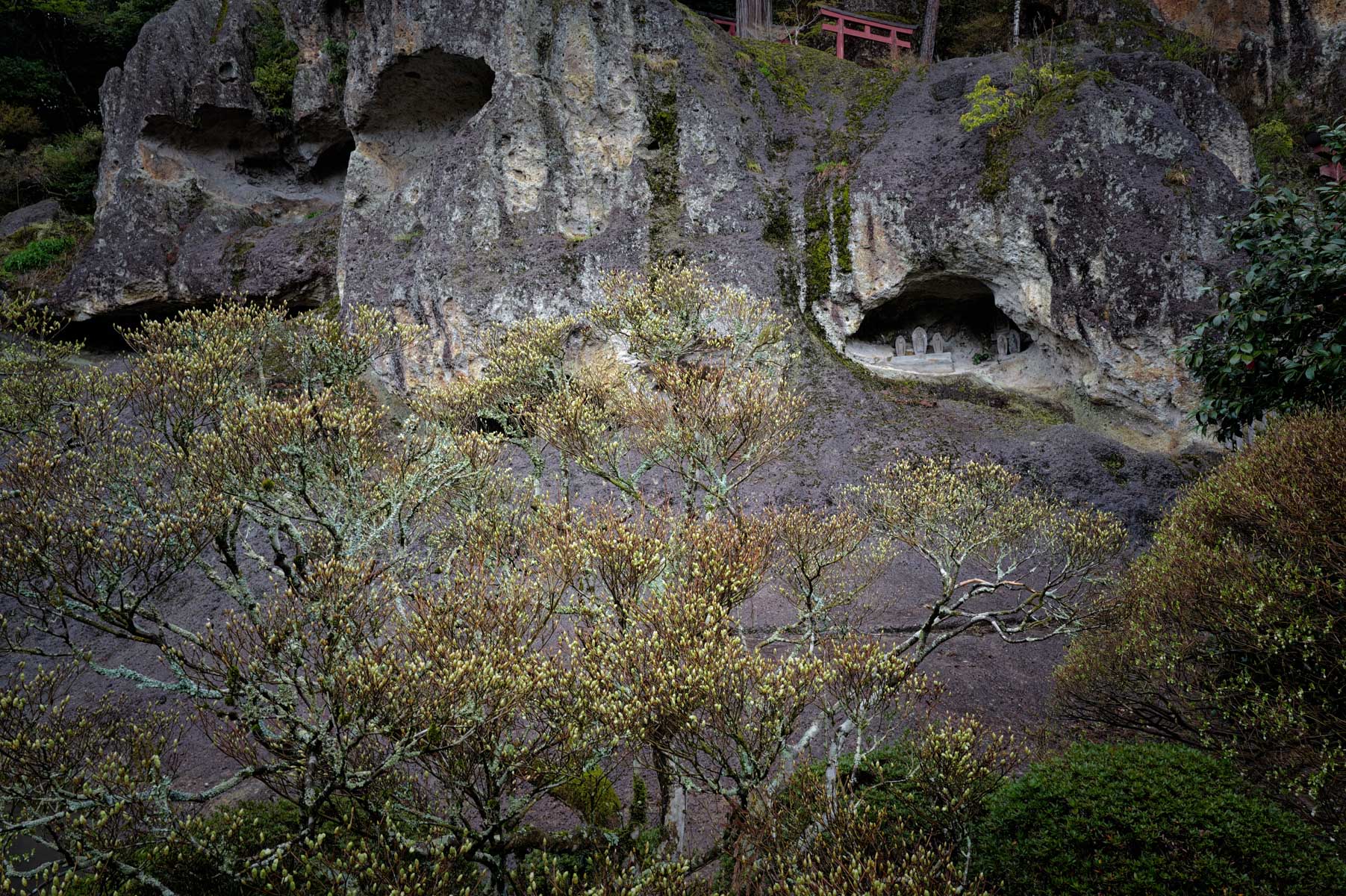
金沢への出張の折、帰り道に小松空港の近くにある那谷寺に立ち寄ることが以前から多かった。今回も出張のついでに足を向けた。那谷寺は養老元年(717年)、泰澄法師が岩窟に千手観音を安置したことに始まり、平安時代には花山法皇が行幸して「那谷寺」と改名した。中世の一向一揆で伽藍を失ったが、江戸時代に加賀藩三代藩主・前田利常が再興。国の名勝に指定された「奇岩遊仙境」には、松尾芭蕉が奥の細道の旅中に訪れ、「石山の石より白し秋の風」と詠んでいる。
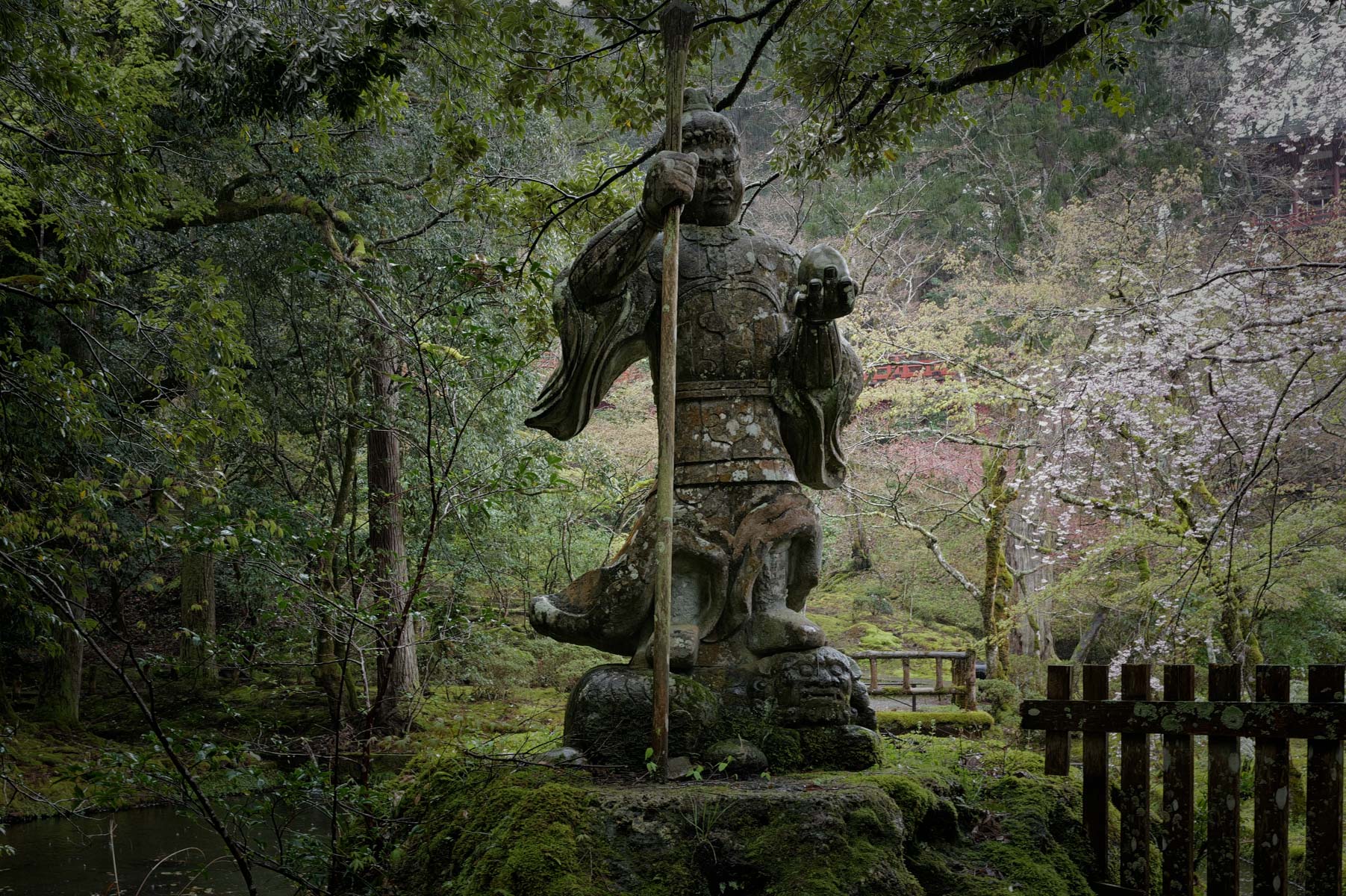
この寺には境内各所に箒を手にした「お掃除地蔵」が佇んでいる。清掃業を営む私にとって、この地蔵はことさら親しみ深い存在で、訪れるたびに思わず足を止めてしまう。
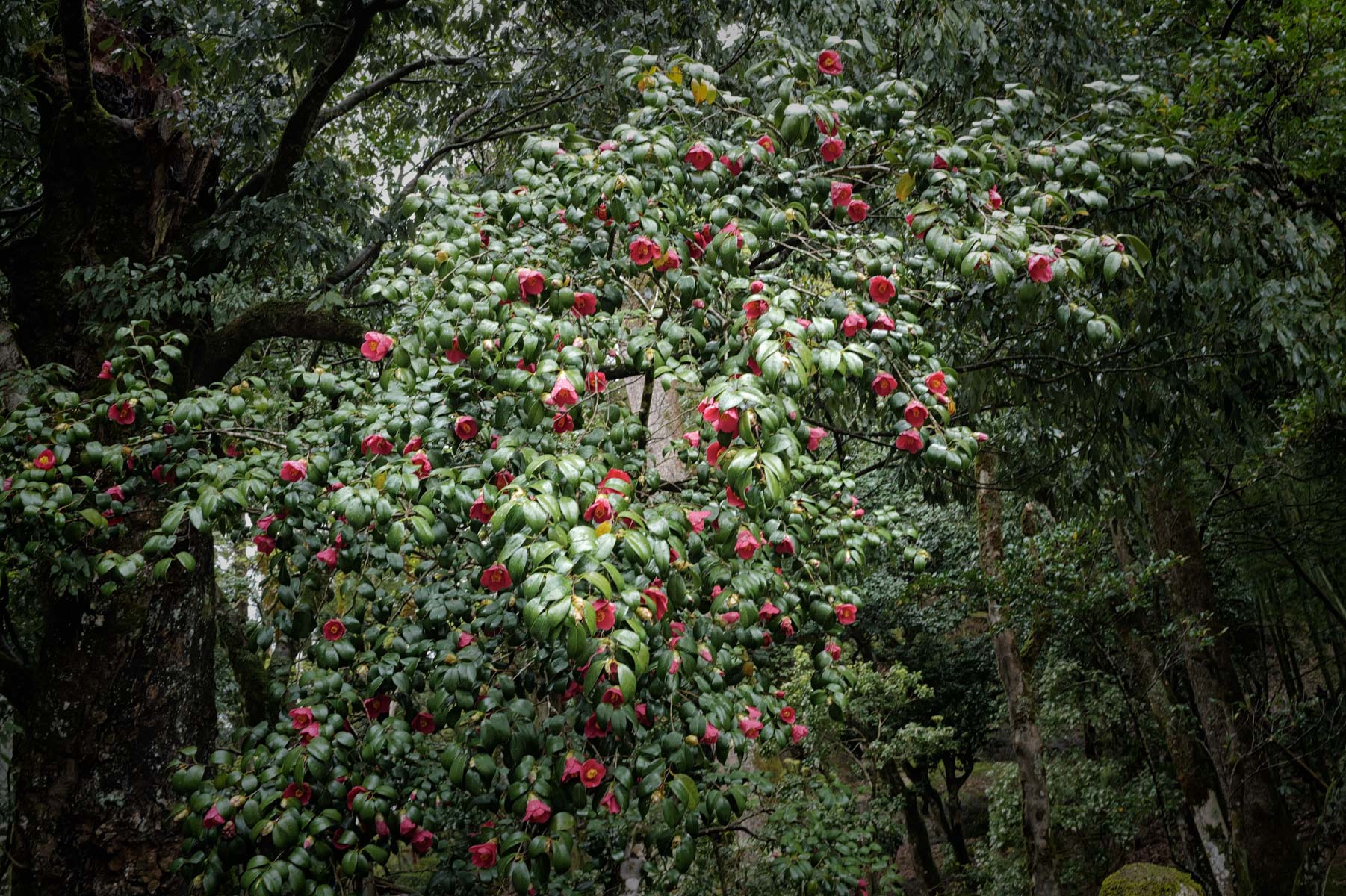
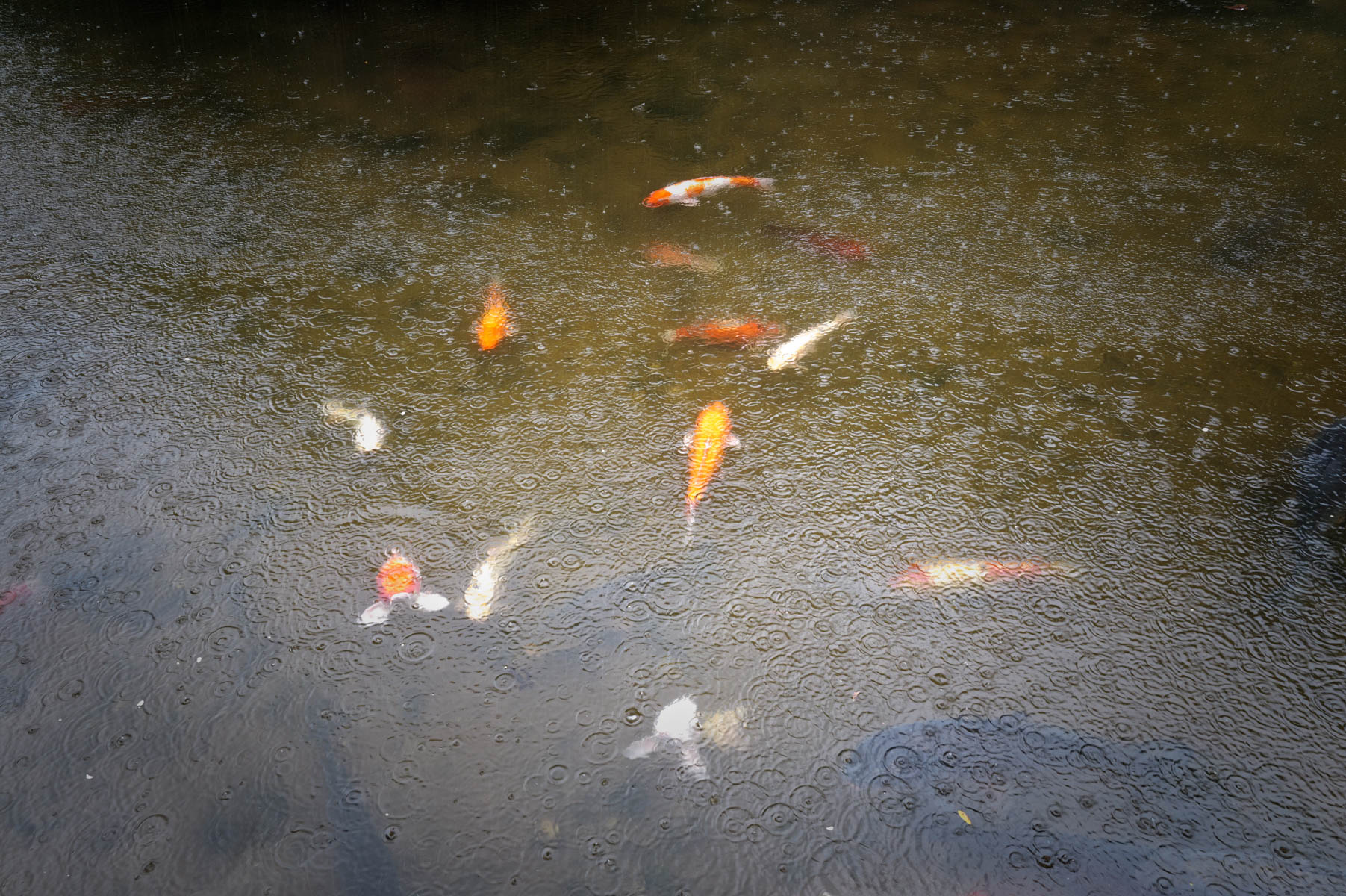
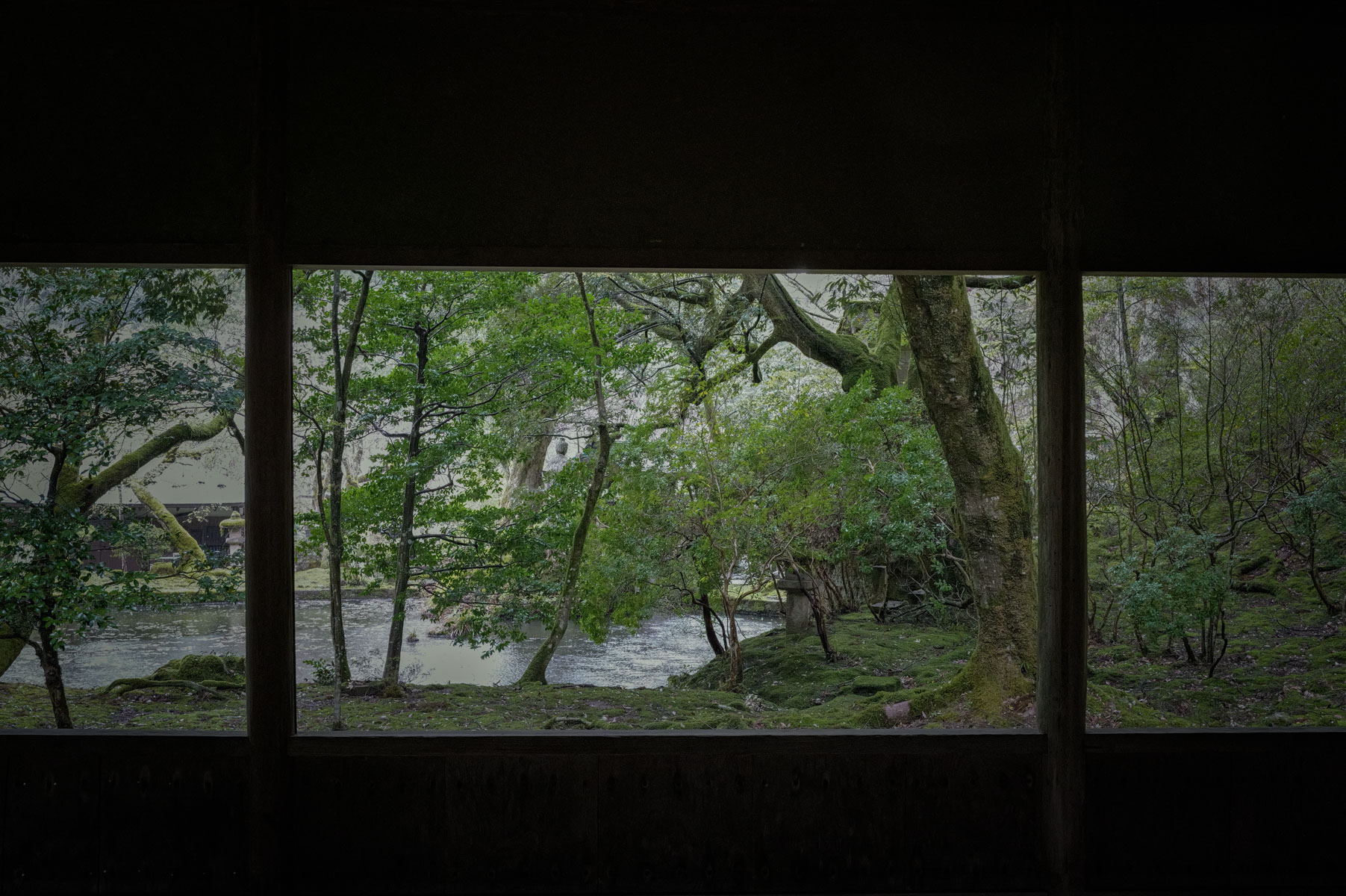
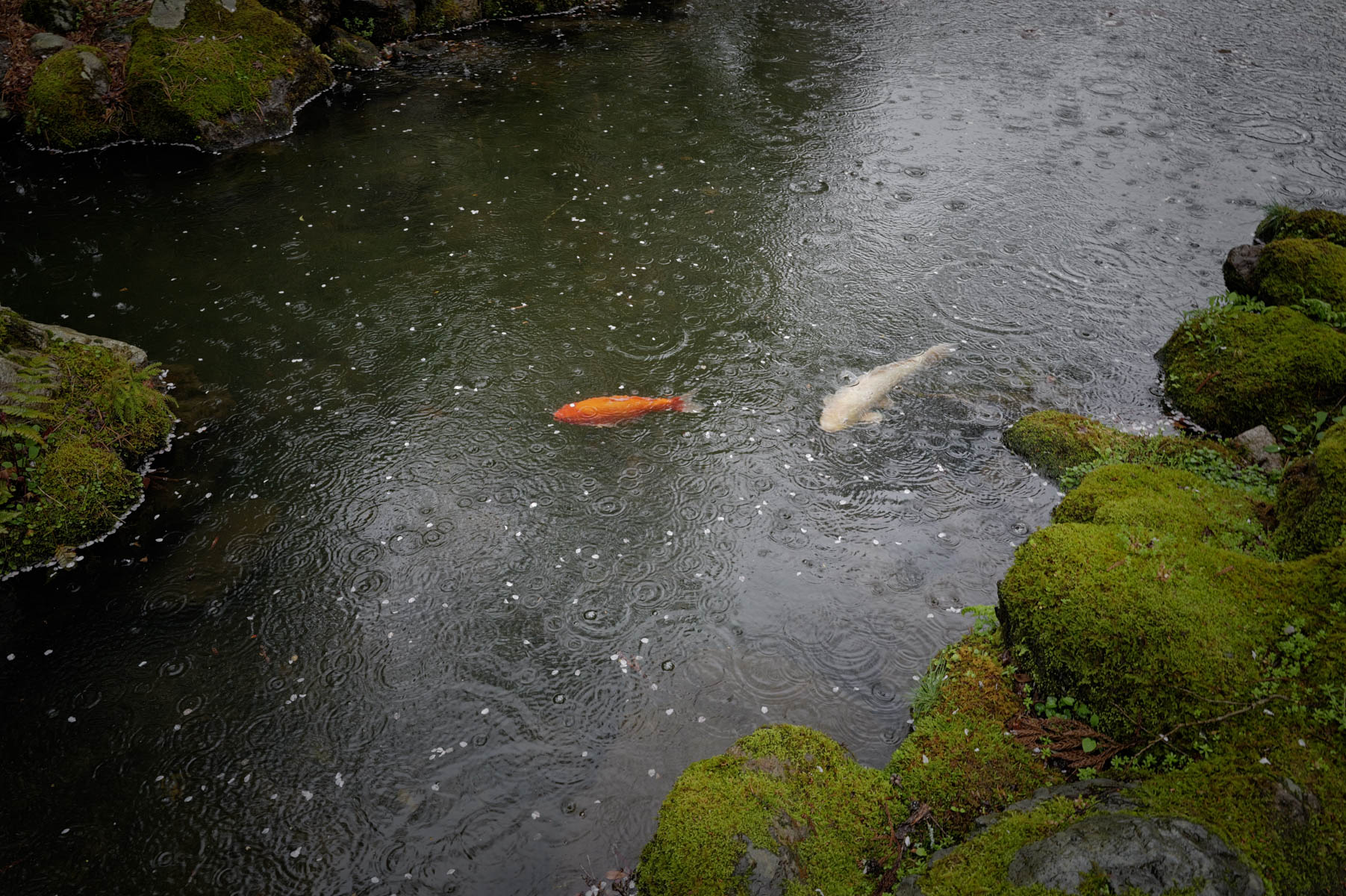
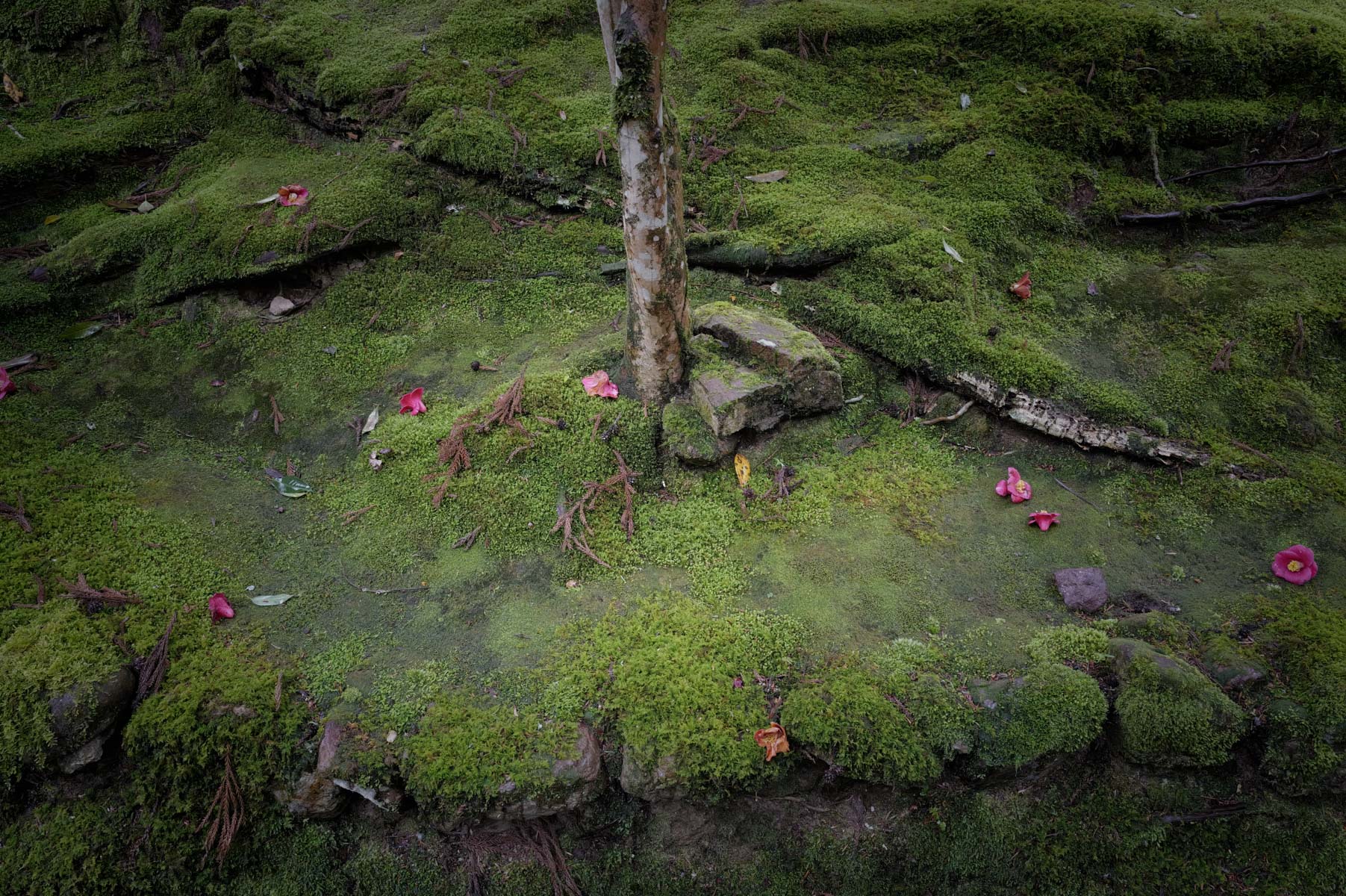
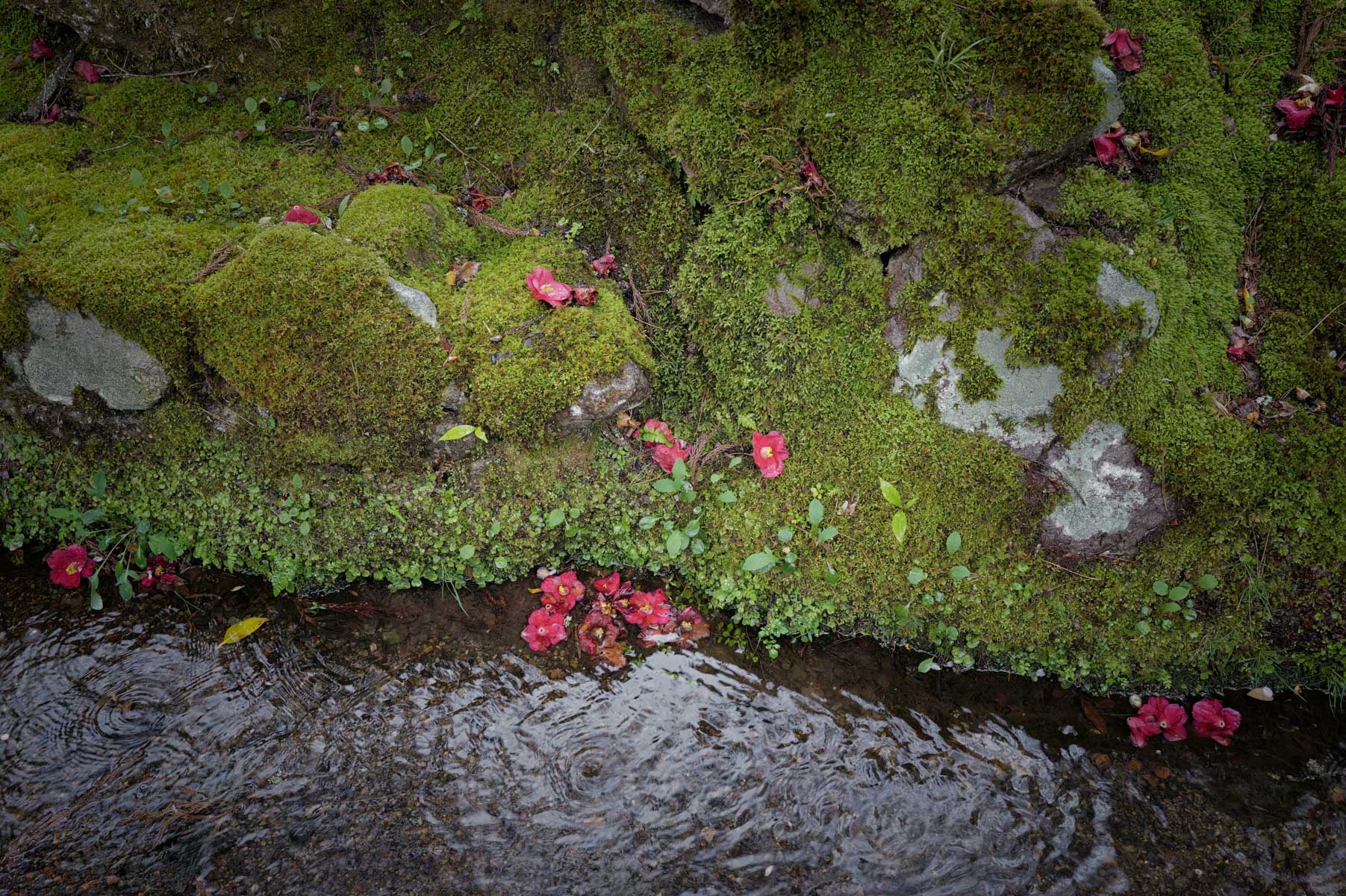
訪れた日は雨だった。しかし境内に目をやれば、桜が咲き、椿の落花が苔の上に散り、木々はいっせいに芽吹きはじめていた。雨の那谷寺は、しっとりと濡れた岩肌と淡い春の色が重なり、晴れの日とはまた異なる静けさがあった。季節が移ろう瞬間を、雨の中でしみじみと受け取った。
Natadera Temple in Komatsu, Ishikawa Prefecture, has long been a familiar place for me. Located close to Komatsu Airport, it is a natural stopping point on the return from business trips to Kanazawa, and I have visited more times than I can count. This visit, too, was a brief detour at the end of a trip. The temple was founded in 717 by the monk Taicho, who enshrined a thousand-armed Kannon within a natural rock cave. In the Heian period, the retired Emperor Kazan visited and renamed it Natadera — combining one character each from Nachi and Tanigumi, the first and last temples of the Western Pilgrimage route. The complex was later destroyed in the turbulence of the Ikkō-ikki uprisings, then rebuilt in the Edo period by Maeda Toshitsune, the third lord of the Kaga domain. Its dramatic formation of ancient rocks and caverns, known as Kigan Yusenkyō, is designated a National Place of Scenic Beauty and is one of the landscapes celebrated in Matsuo Basho's Oku no Hosomichi — it was here that he composed the haiku: stone upon stone, whiter than the stones of Ishiyama — the autumn wind. Throughout the temple grounds stand small Ojizō-sama statues, each one holding a broom — the so-called Osōji Jizō, or "Cleaning Jizō." As someone whose company works in building maintenance, I feel an unexpected kinship with these quietly diligent figures, and find myself pausing to greet them on every visit. The day I came, it was raining. But the grounds were alive with spring: cherry blossoms in bloom, fallen camellia petals resting on wet stone, fresh buds breaking open on the trees. The rain drew everything closer — the dark rock faces, the pale flowers, the stillness of the paths. It was the kind of day that makes the changing of seasons feel genuinely felt, rather than merely observed.