

本土寺 あぢさい寺
/ 関東 Kanto/
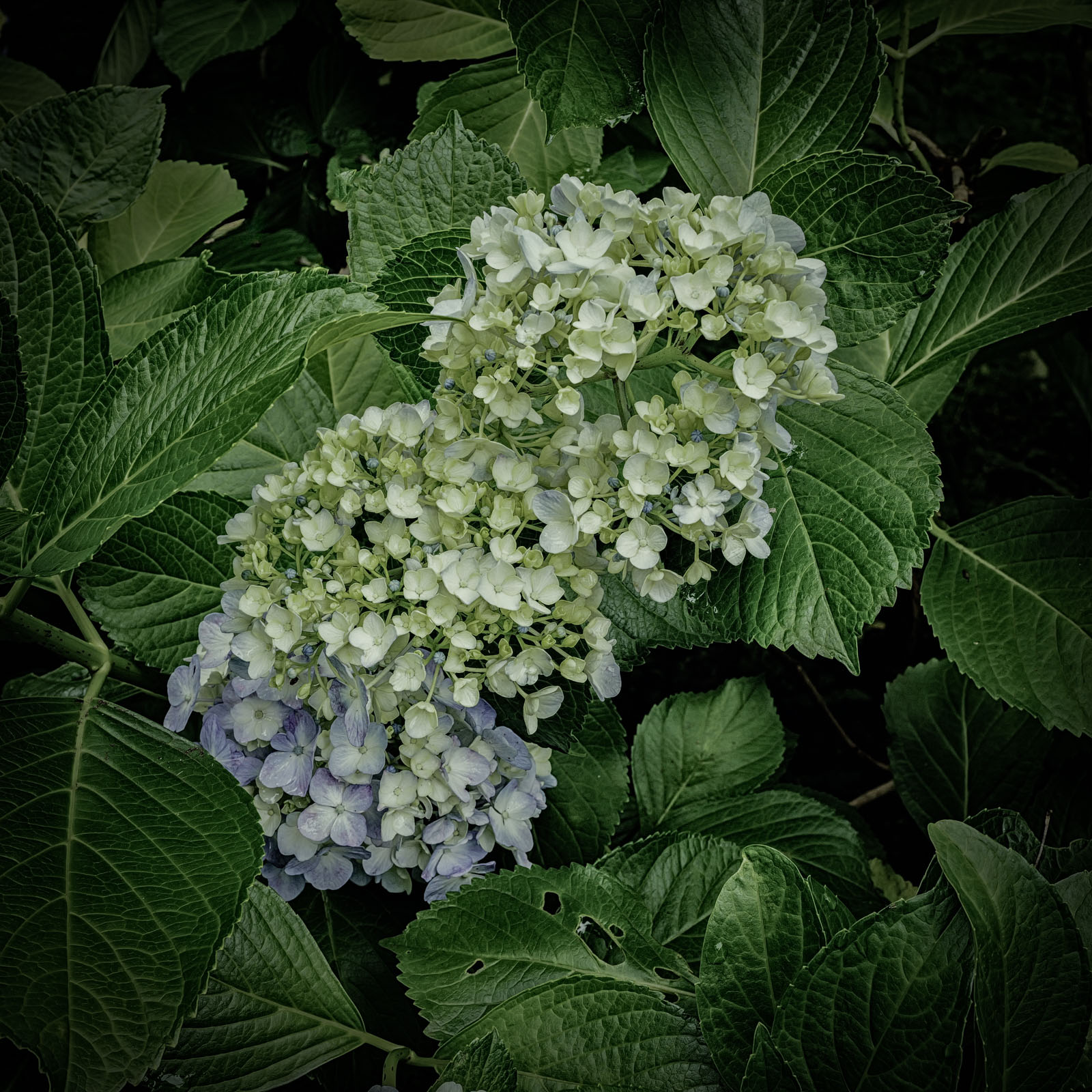
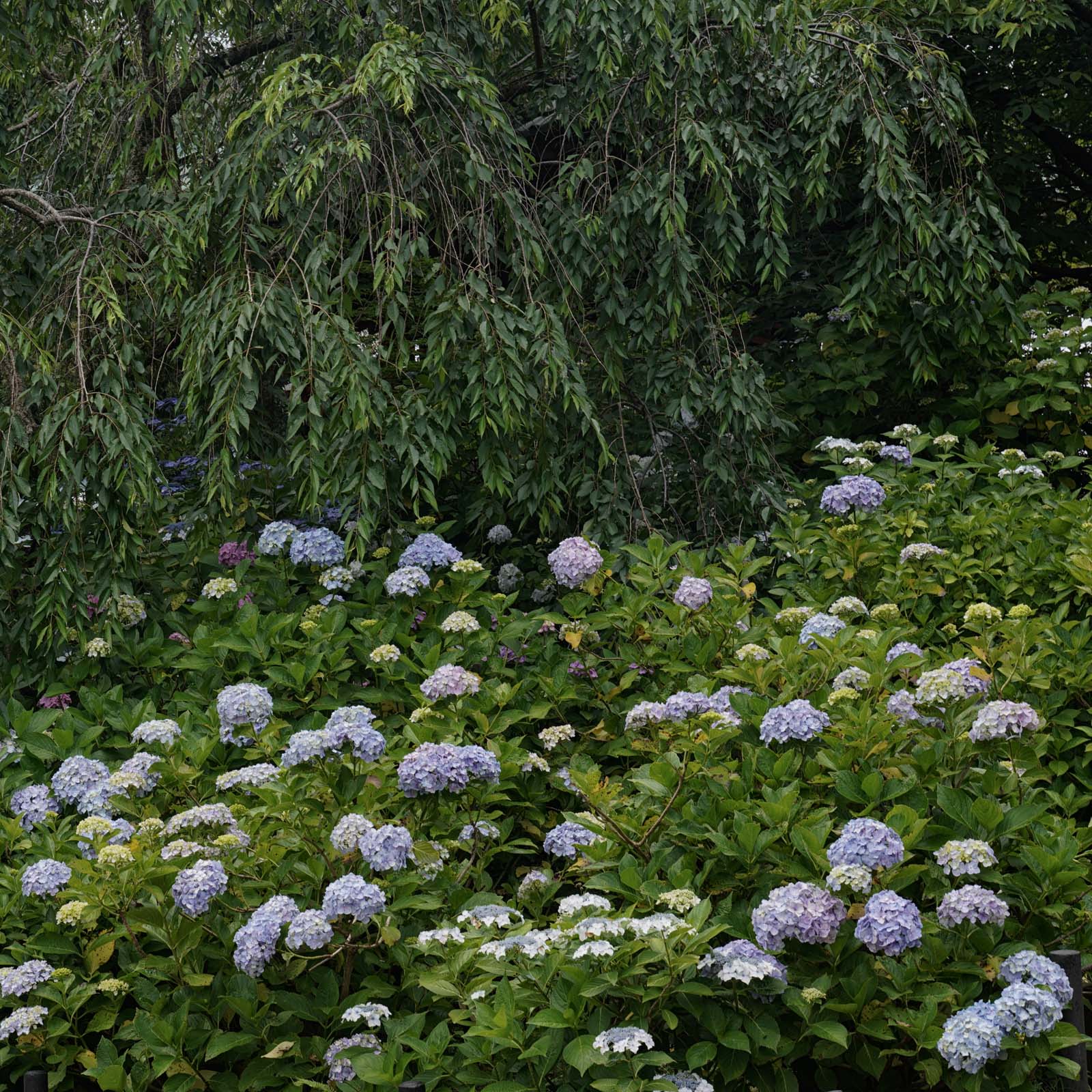
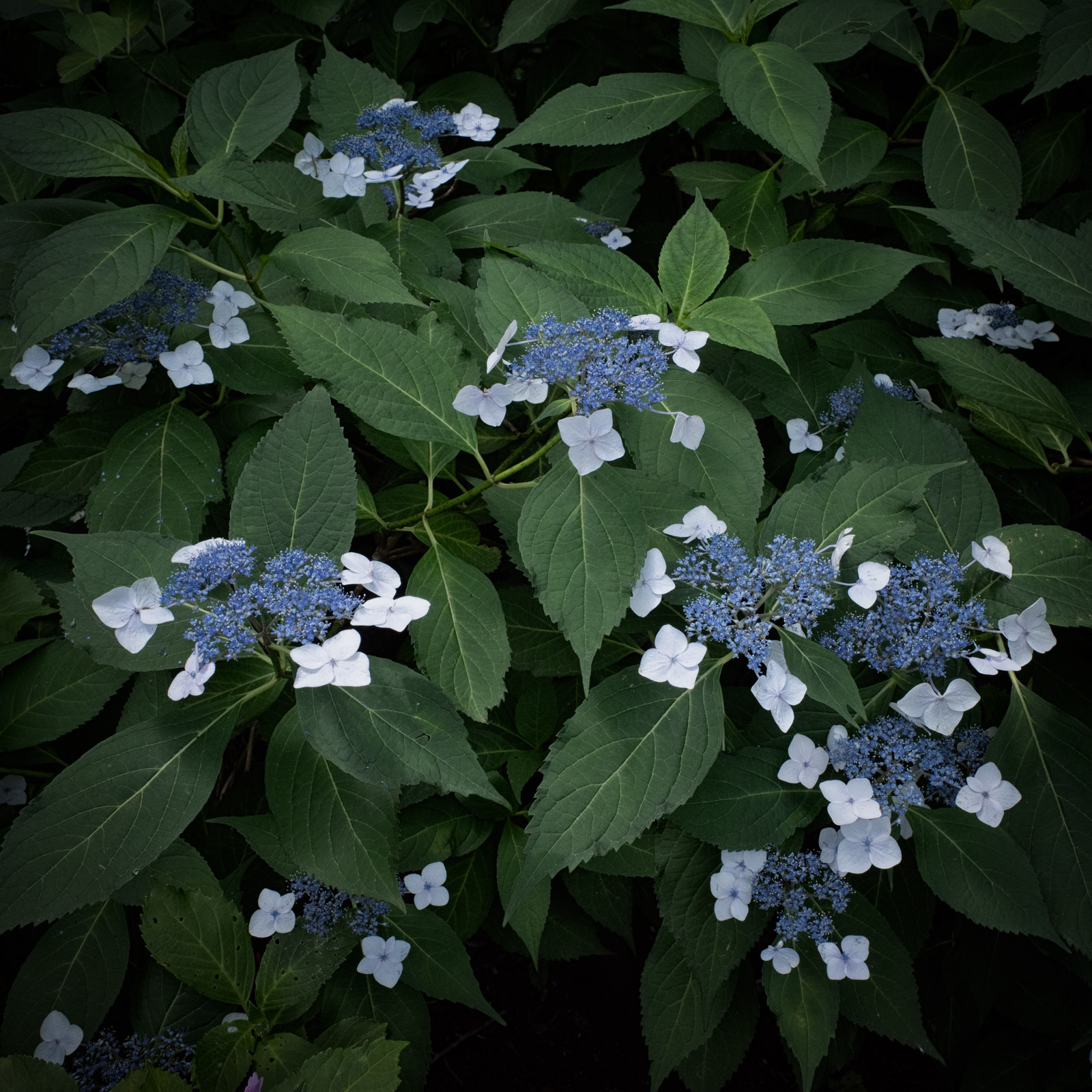
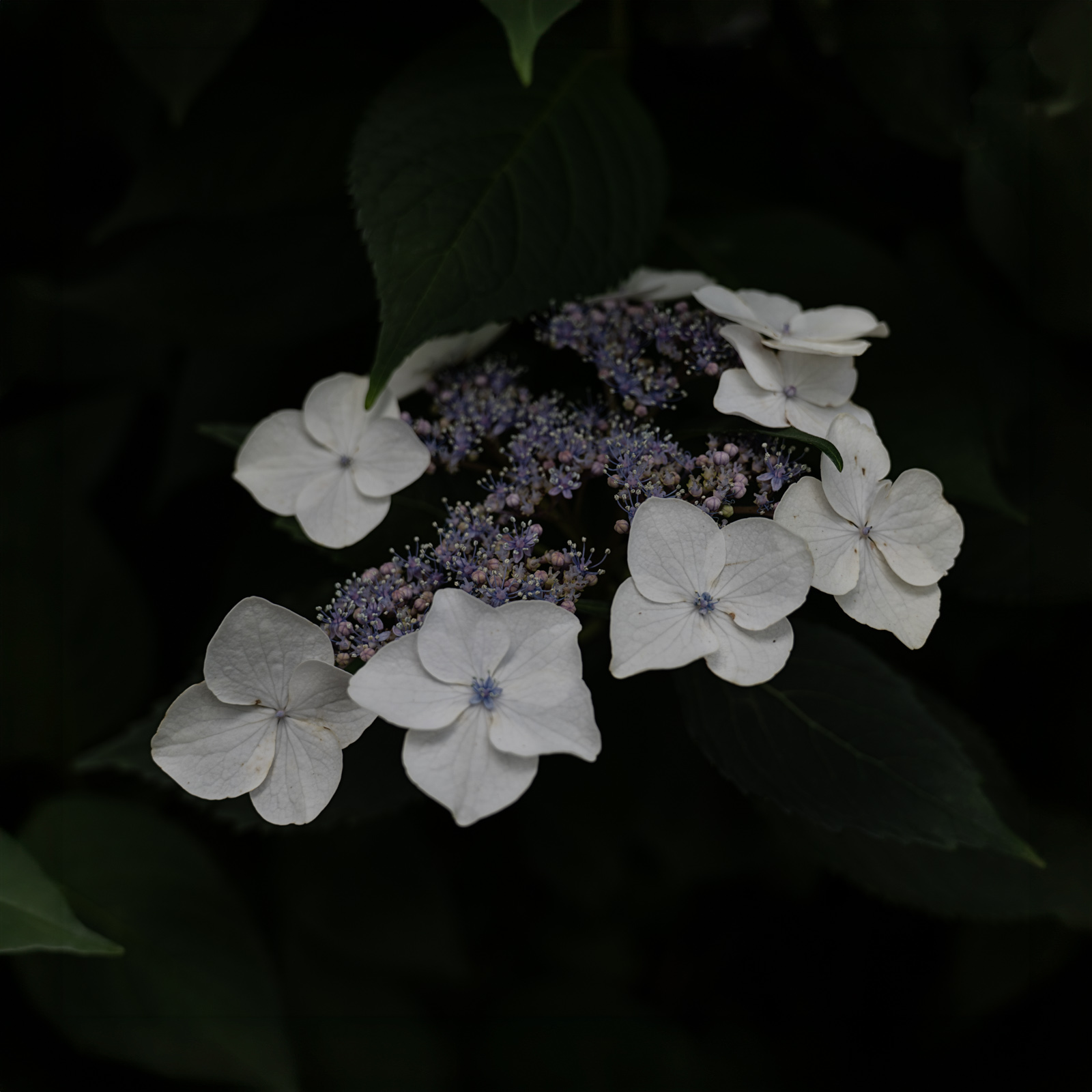
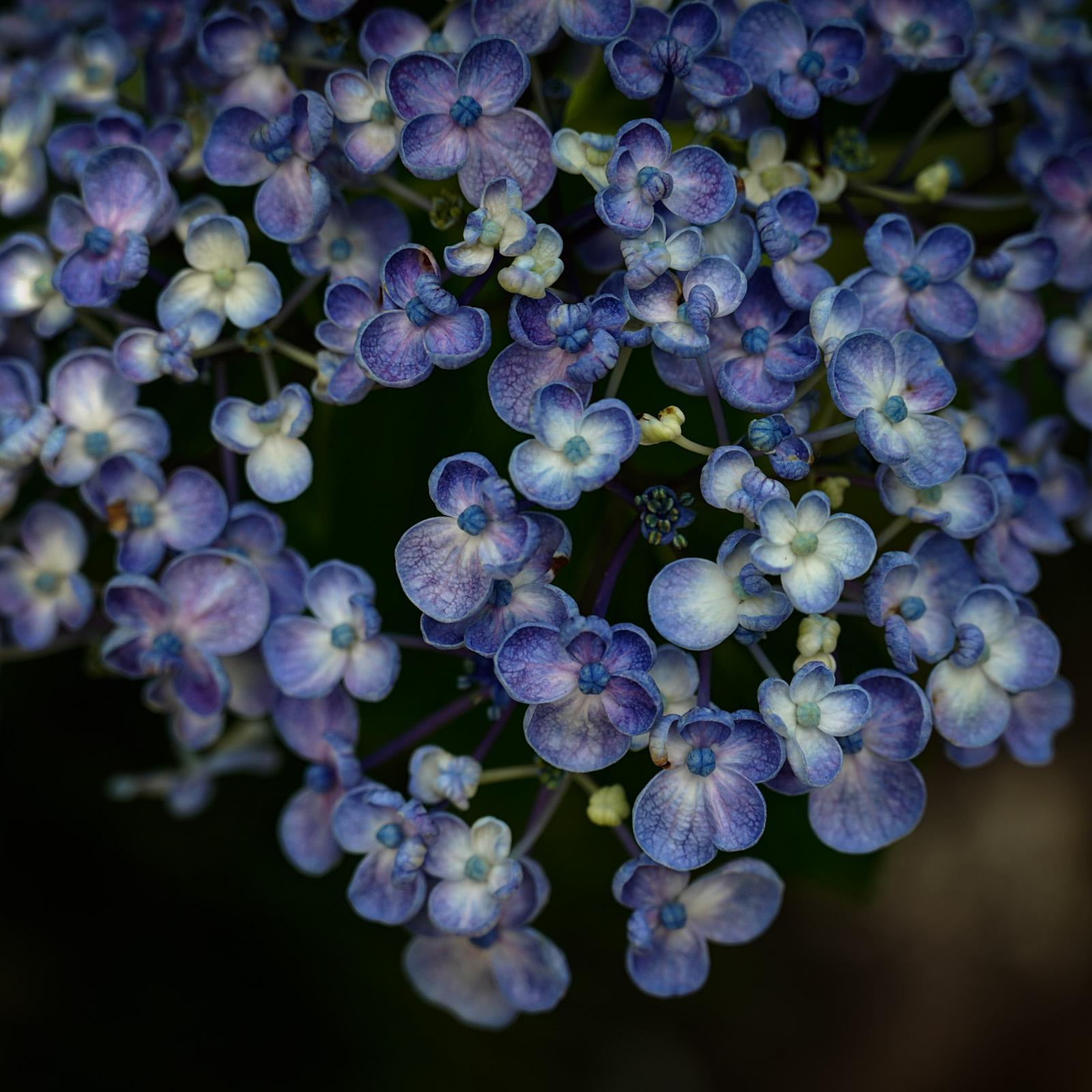
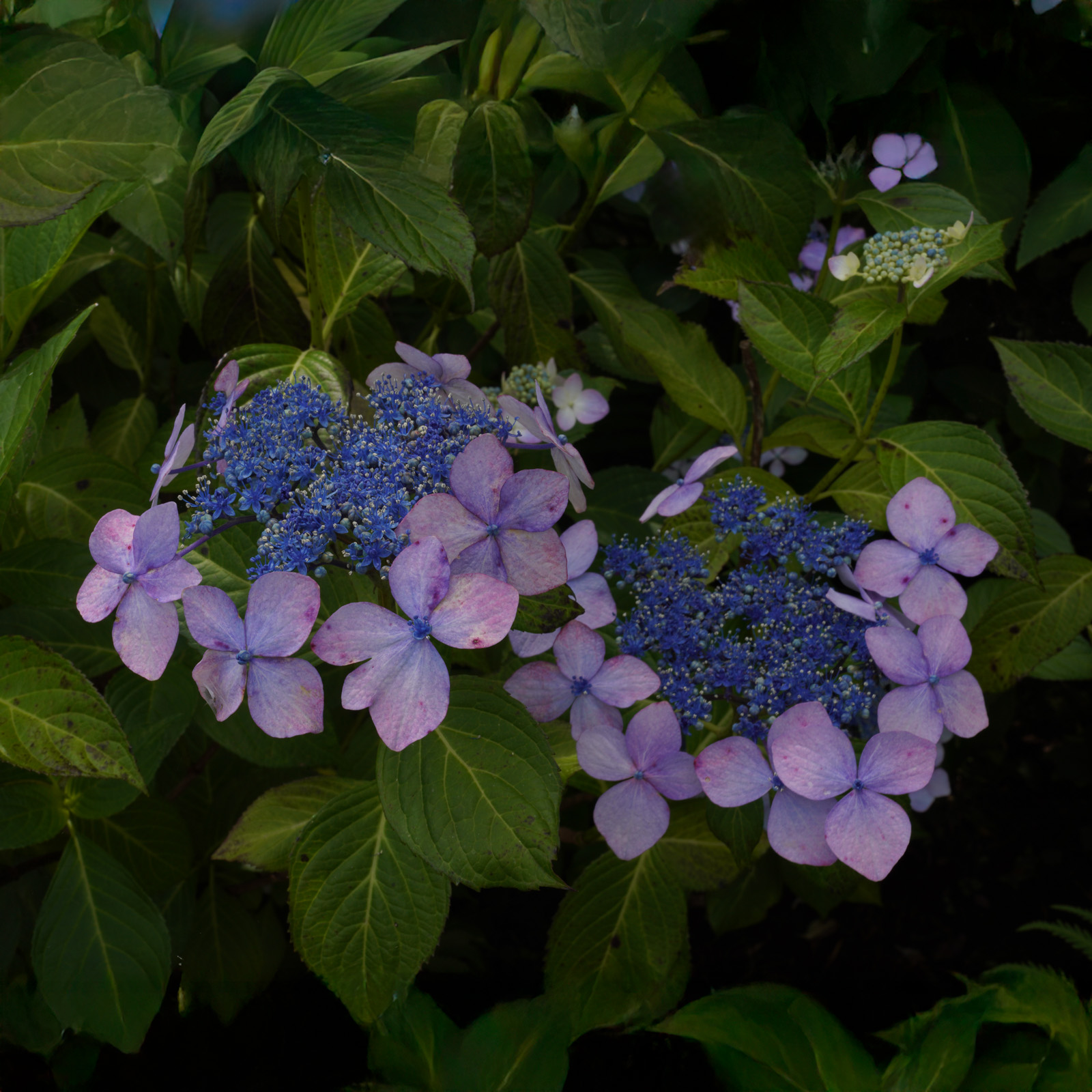
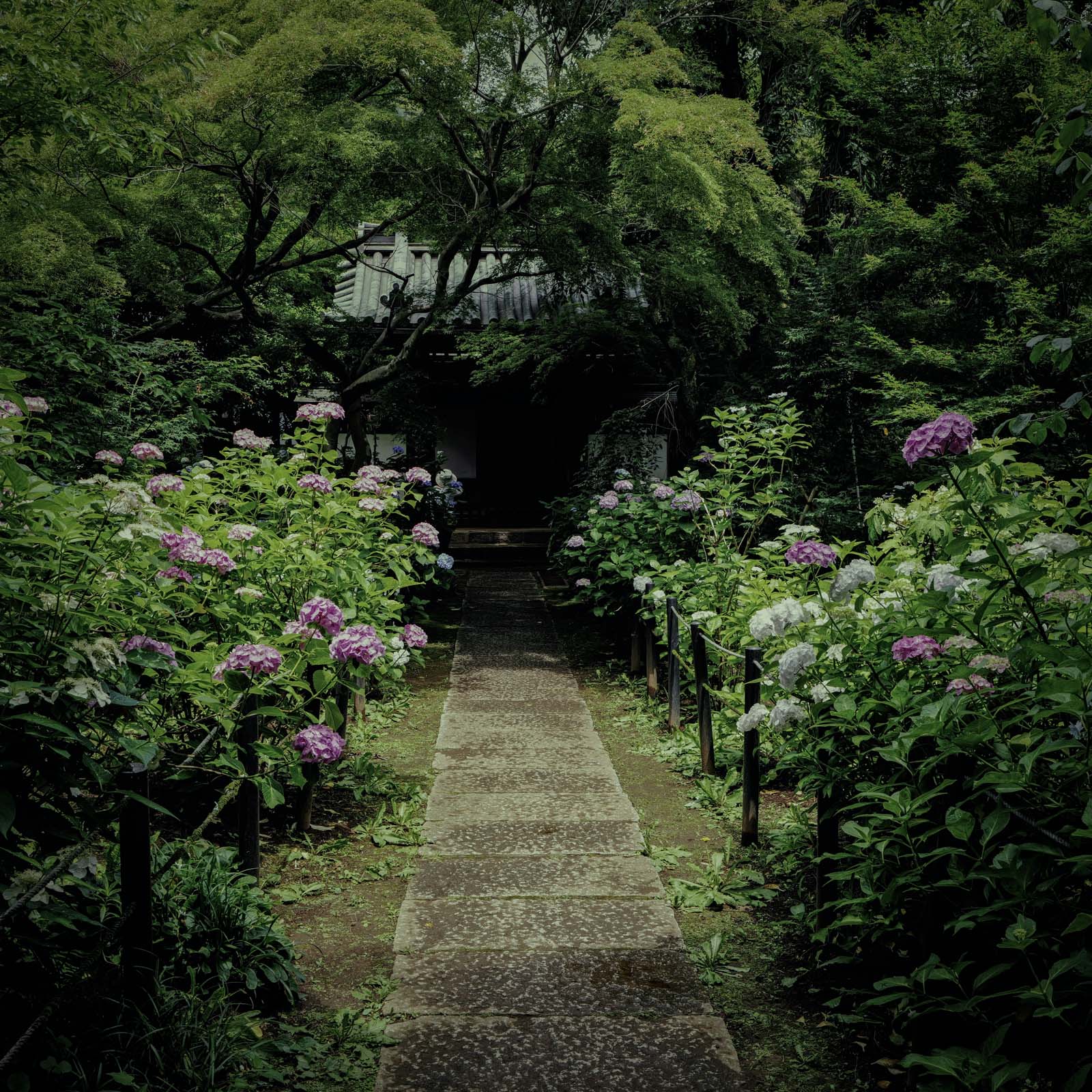
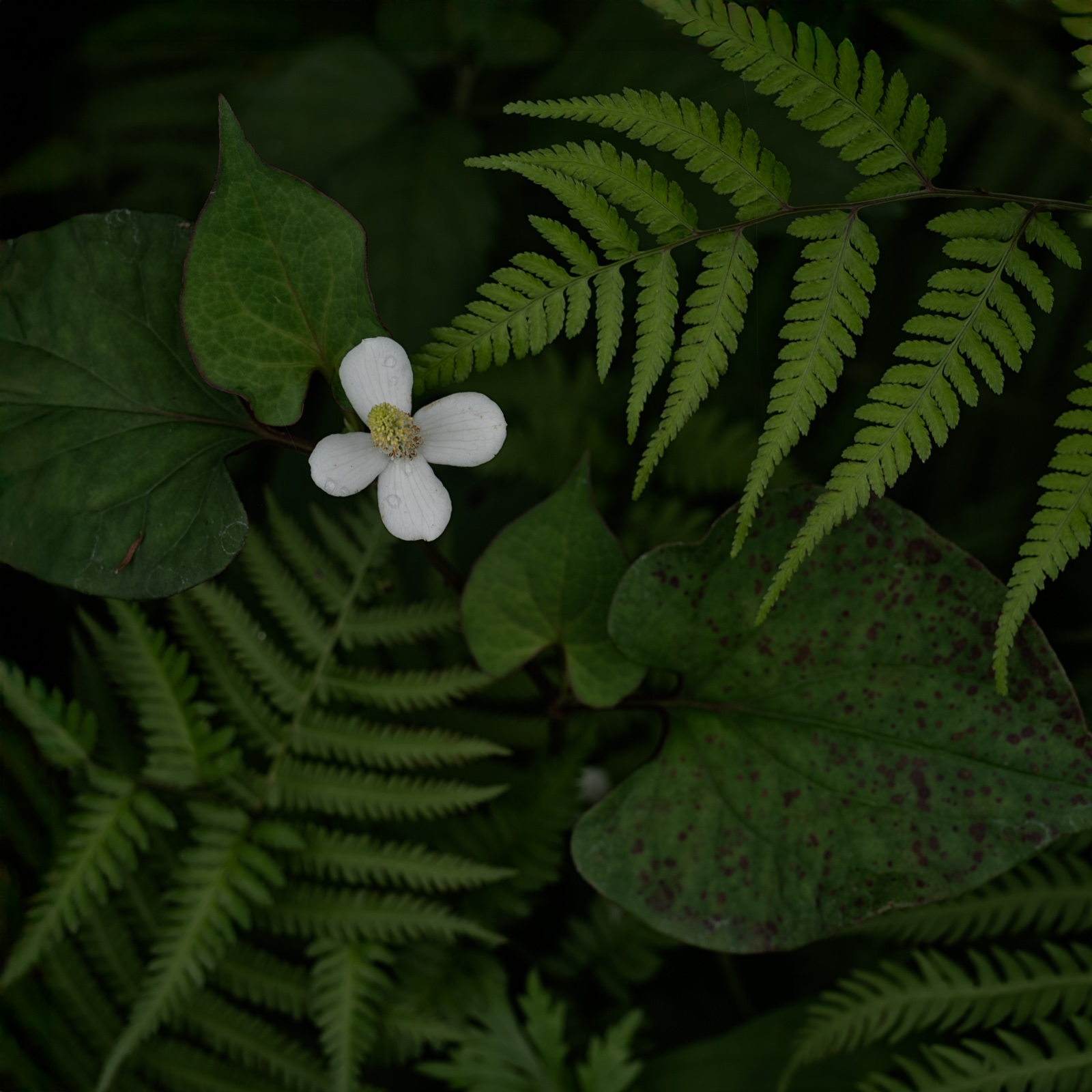
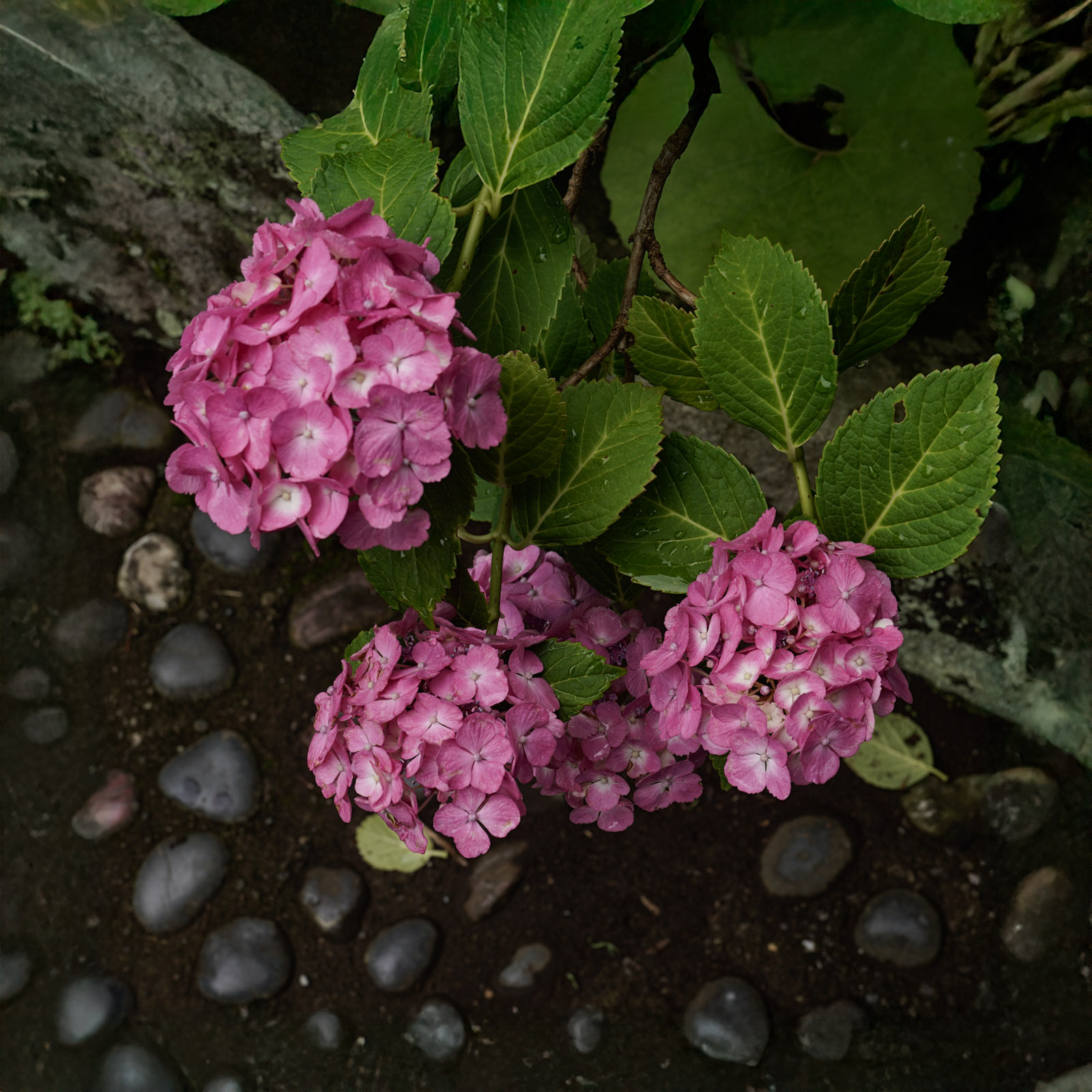
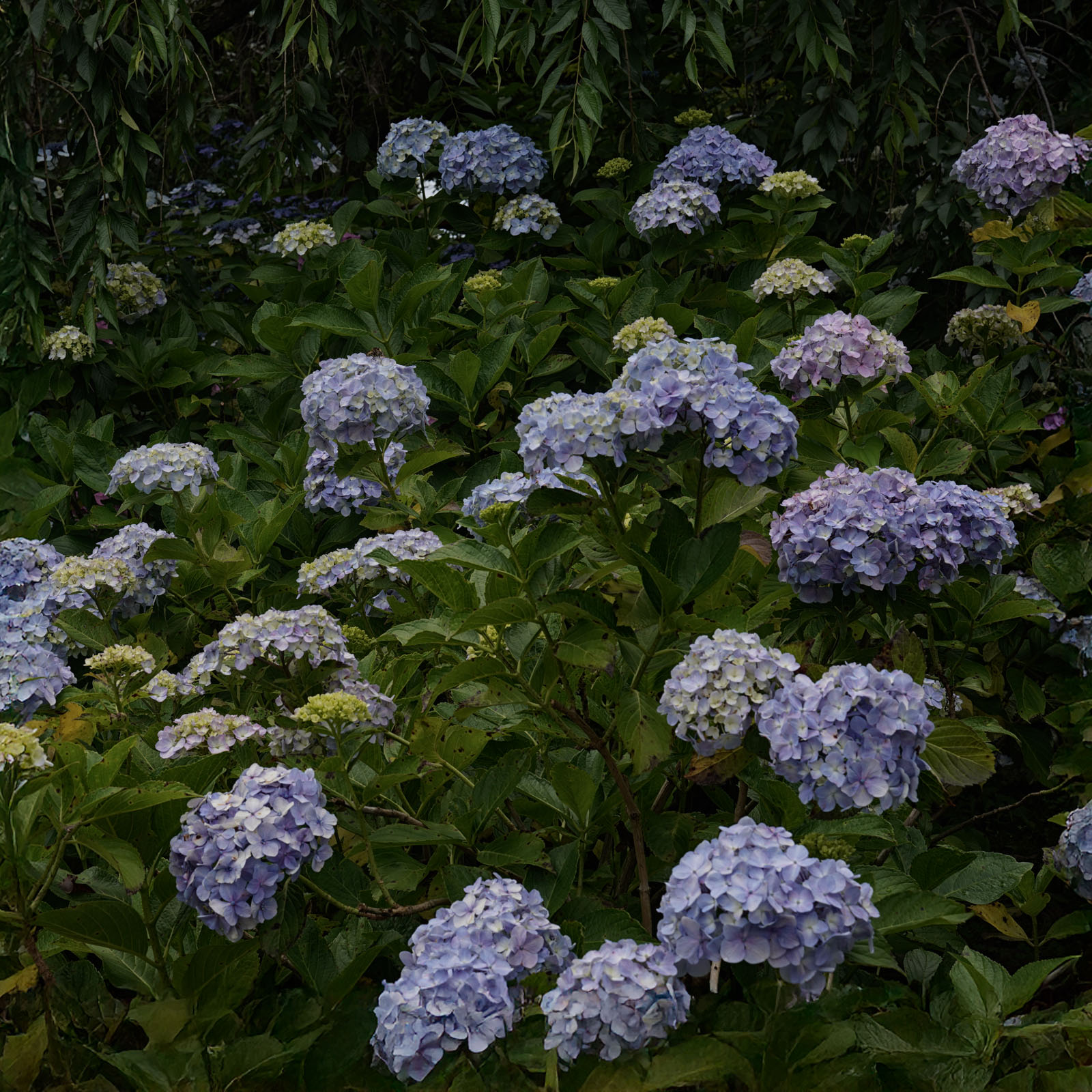
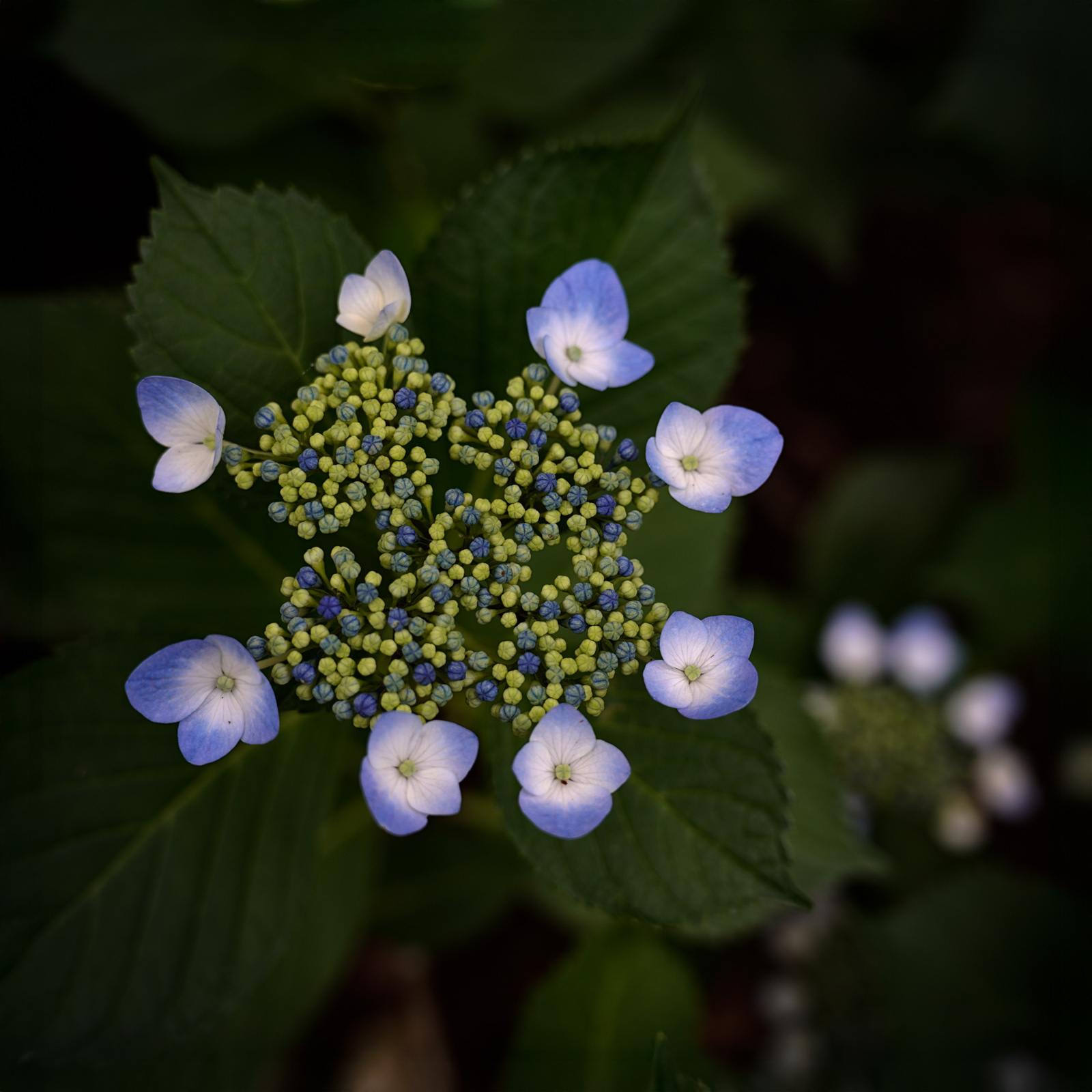
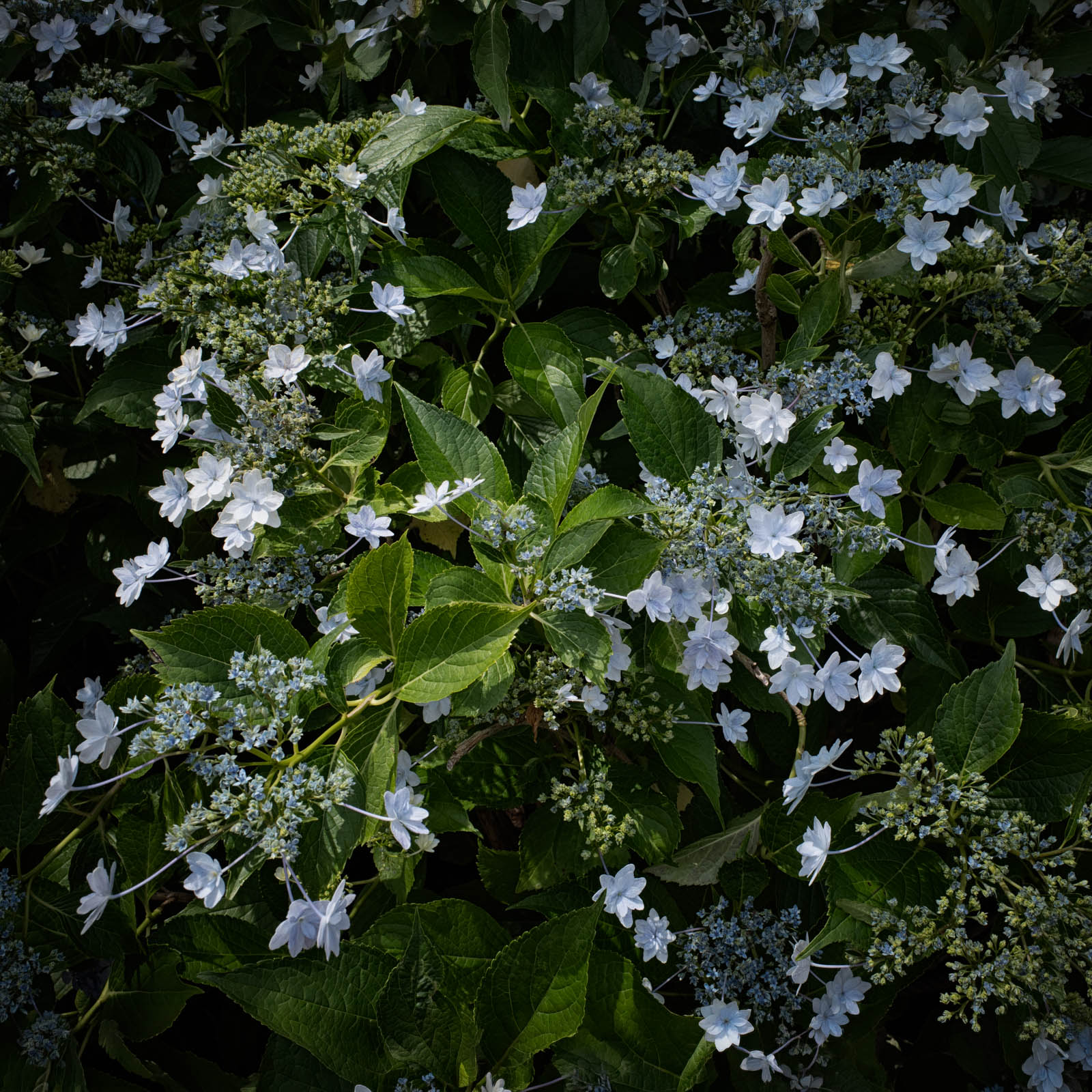
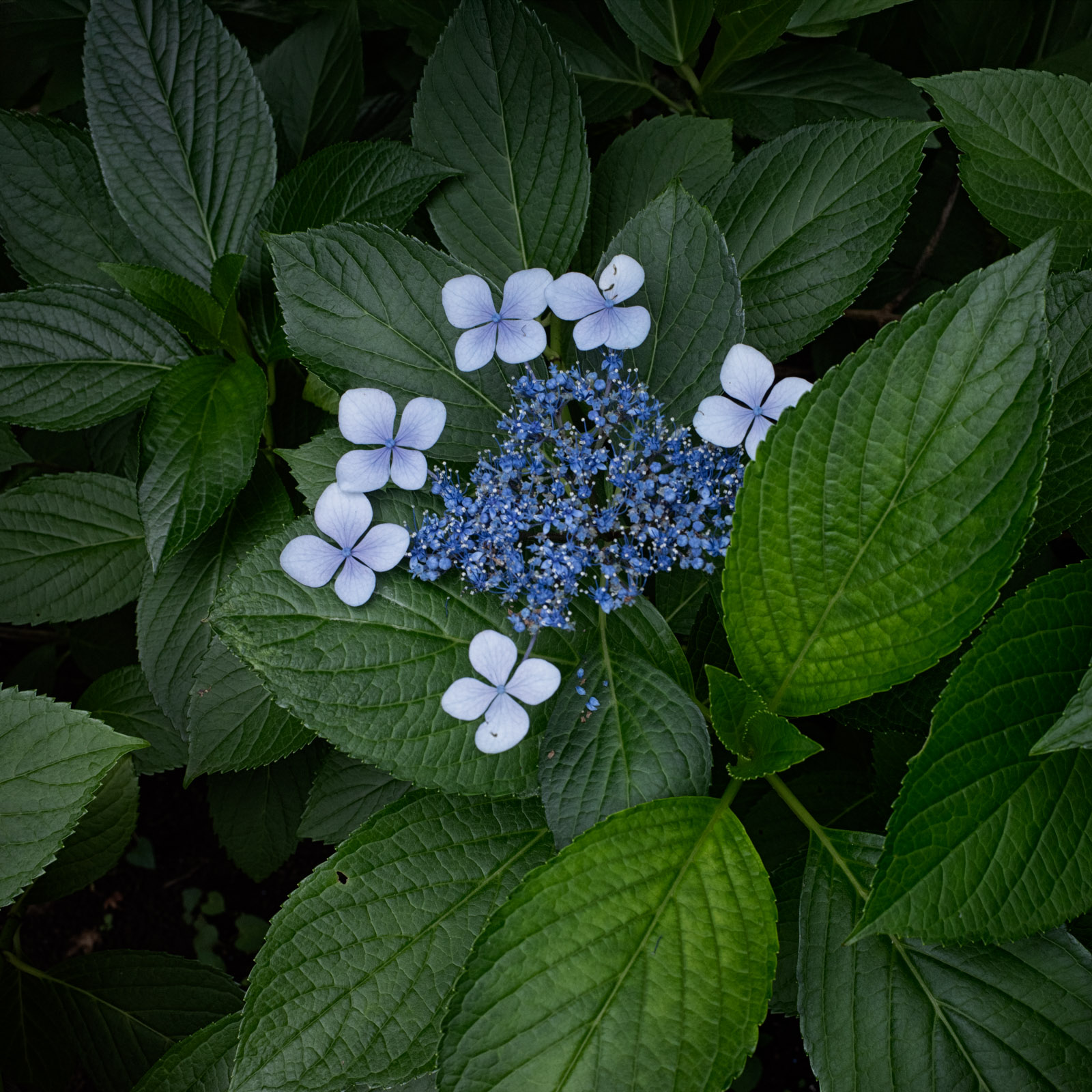
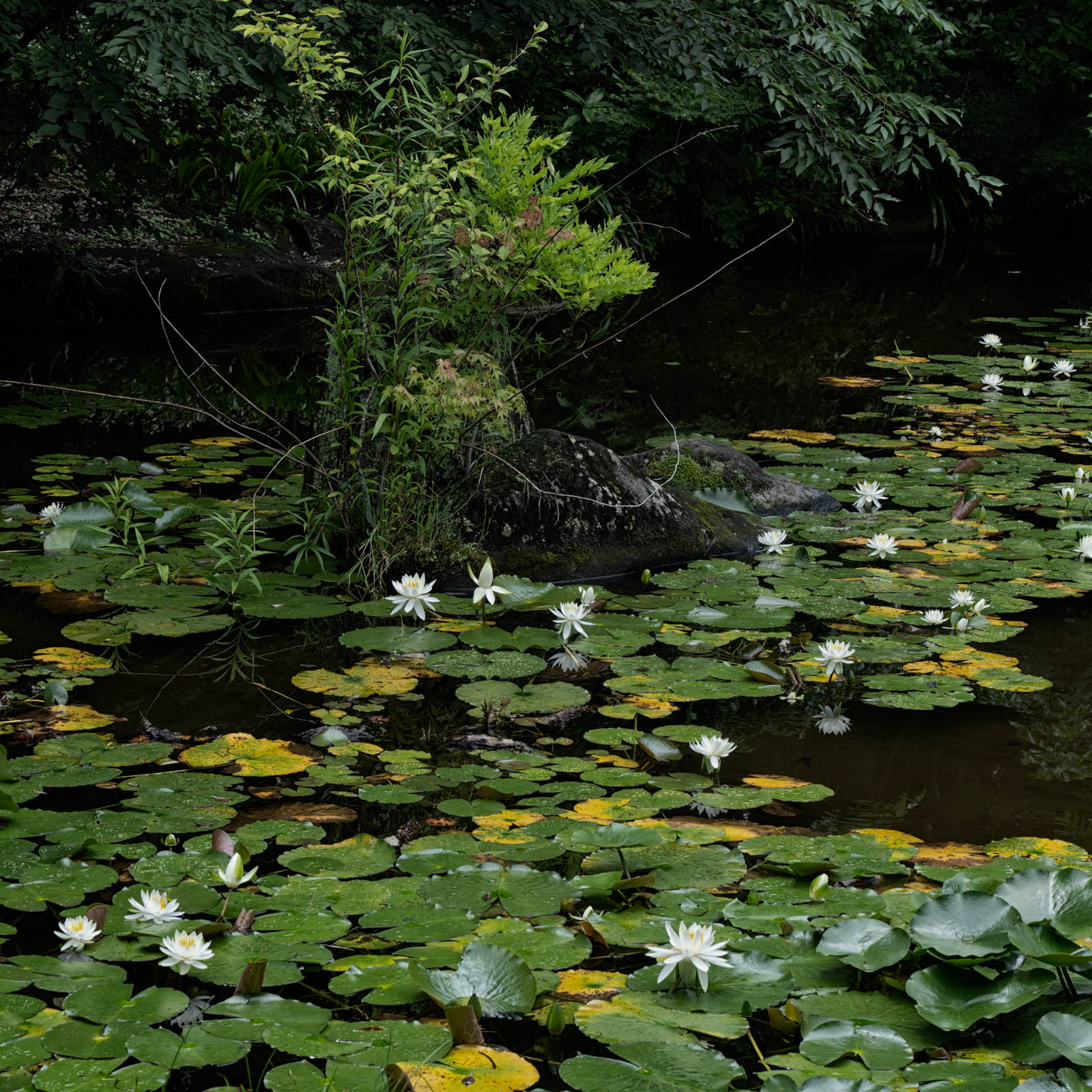
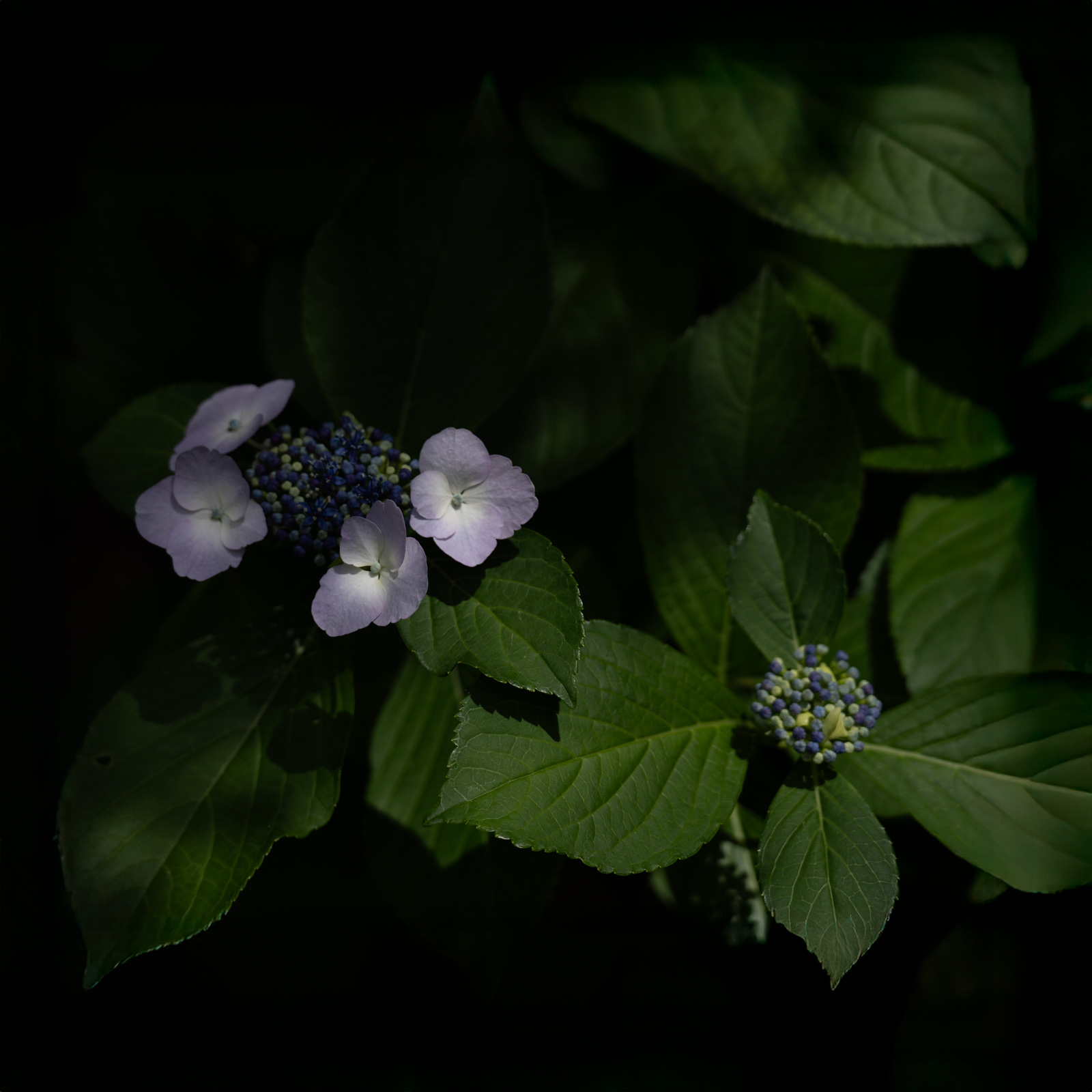
梅雨の走りの一日、雨を待つようにして松戸の本土寺を訪れた。紫陽花の寺として知られるこの地を、あえて人の少ない朝の時間に歩きたかった。雨にしめった石畳の参道を進むと、樹々の濃い緑のなかに、青や紫、白の花々が静かに浮かび上がってくる。
本土寺は、建治三年(一二七七年)、日蓮聖人の高弟・日朗を開山として開かれた日蓮宗の古刹である。鎌倉妙本寺、池上本門寺とともに「朗門の三長三本」と称された名刹で、今日では境内をうずめる五万株の紫陽花、五千本の花菖蒲によって「あじさい寺」「花の寺」として親しまれている。朱塗りの仁王門、五重塔、古松老杉の参道が、四季の移ろいに静かな佇まいを添える。
額紫陽花のひと粒ひと粒、葉先を伝う雨、池に浮かぶ睡蓮——。華やかさよりも、雨に沈む花の翳りにこそ心を惹かれた。盛りを誇る花ではなく、移ろいの途上にある花。その儚さのなかに、この寺の本当の美しさが宿っているように思えた。
On an early day of the rainy season, I visited Hondō-ji in Matsudo as though awaiting the rain. I wanted to walk this temple, known for its hydrangeas, in the quiet of the morning, before the crowds arrived. As I made my way along the rain-dampened stone path, flowers of blue, violet, and white rose softly out of the deep green of the trees. Hondō-ji was founded in 1277 by Nichirō, a leading disciple of the priest Nichiren, and remains an old temple of Nichiren Buddhism. Together with Myōhon-ji in Kamakura and Honmon-ji in Ikegami, it was counted among the principal temples of Nichirō's lineage. Today it is beloved as the "Temple of Hydrangeas," its grounds filled with fifty thousand hydrangea shrubs and five thousand Japanese irises. A vermilion gate, a five-storied pagoda, and an approach lined with ancient pines and cedars lend a quiet presence to the turning of the seasons. Each floret of the lacecap hydrangea, the rain tracing the edge of a leaf, water lilies drifting on the pond — it was not their brilliance but the shadow of flowers sinking into the rain that drew me. Not blossoms at their peak, but flowers caught in the midst of change. In that transience, the true beauty of this temple seemed to dwell.