

近江 五個荘 三方よし
/ 近畿 Kinki/ 滋賀県
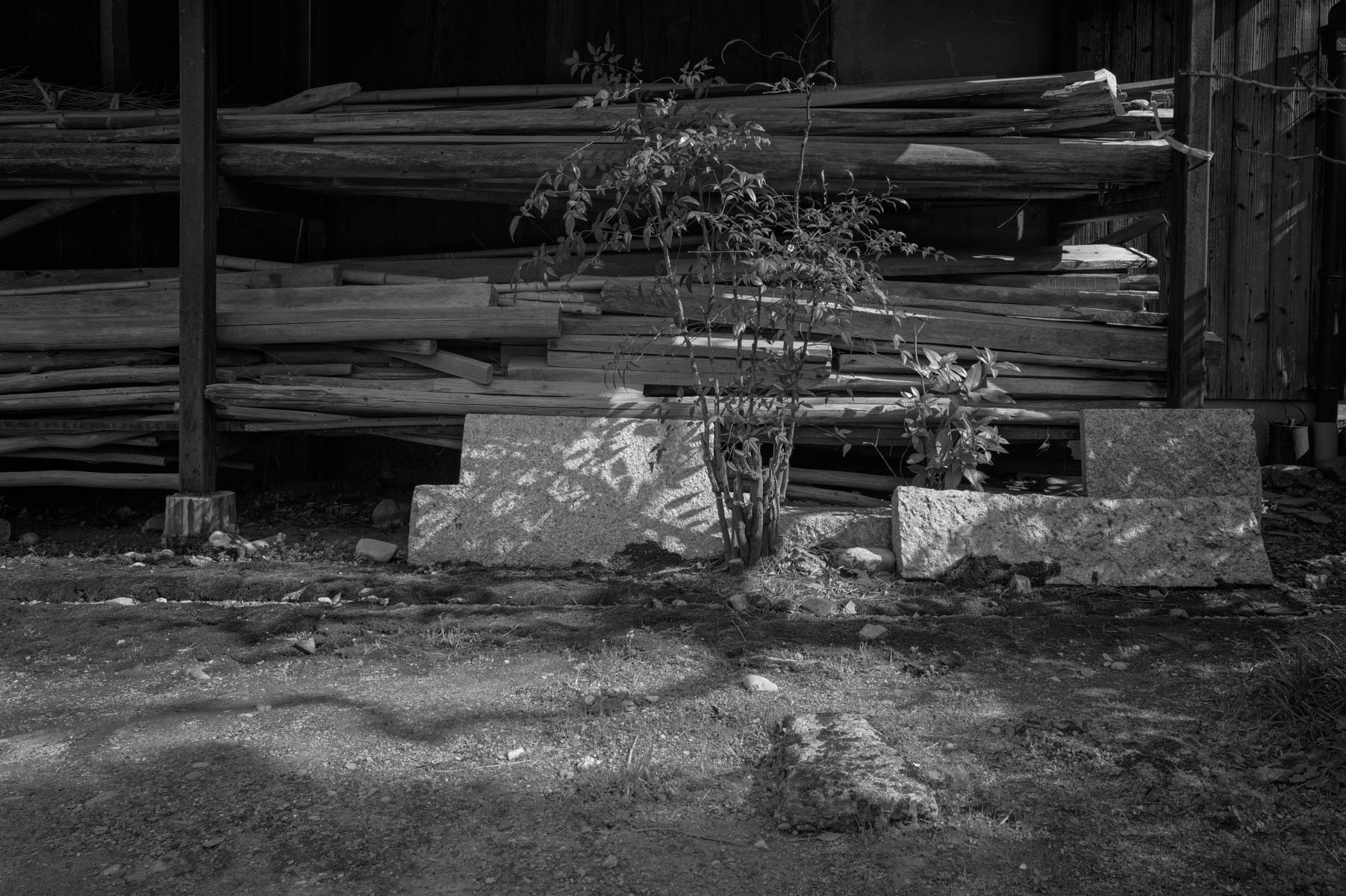
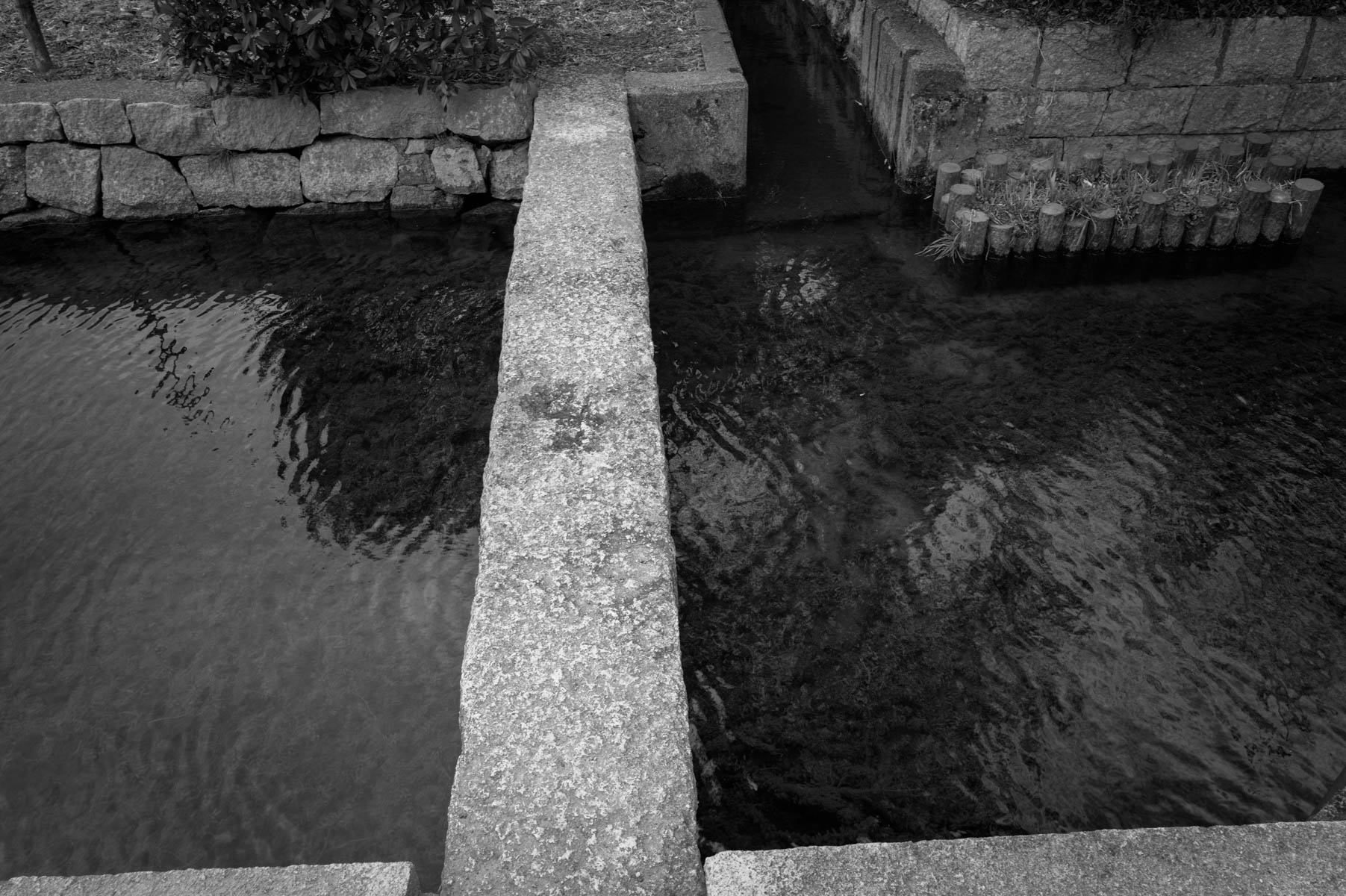
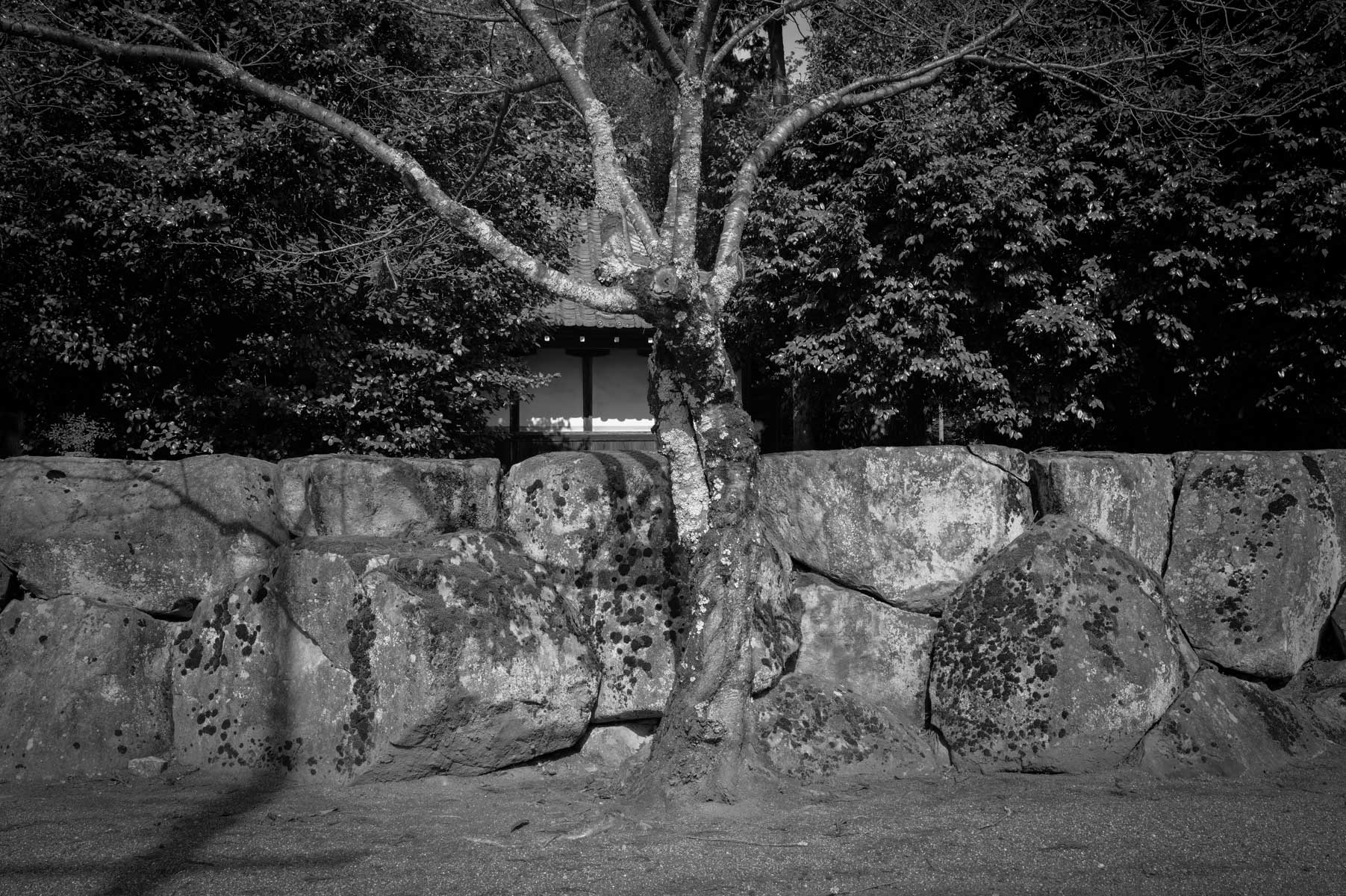
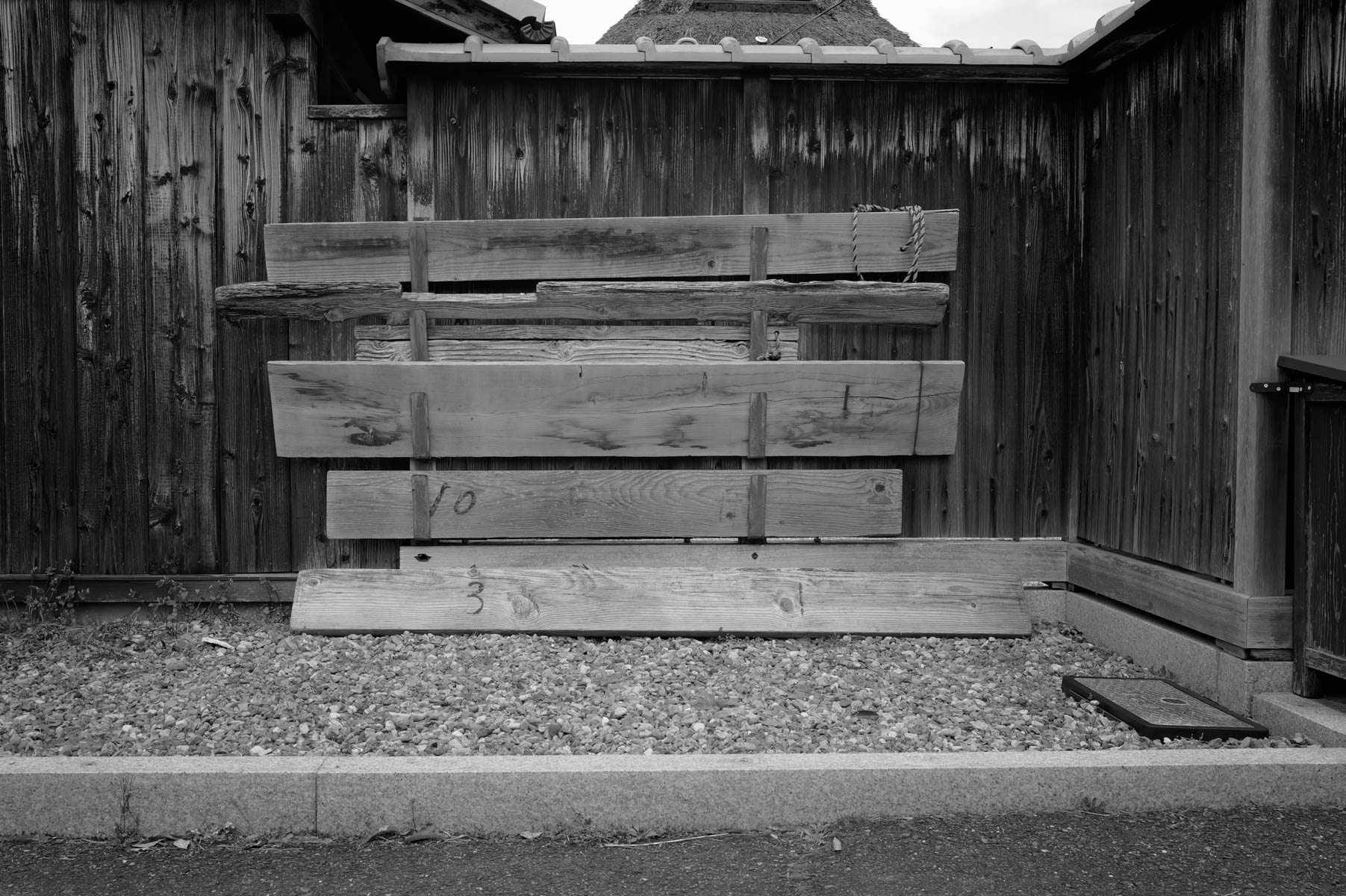
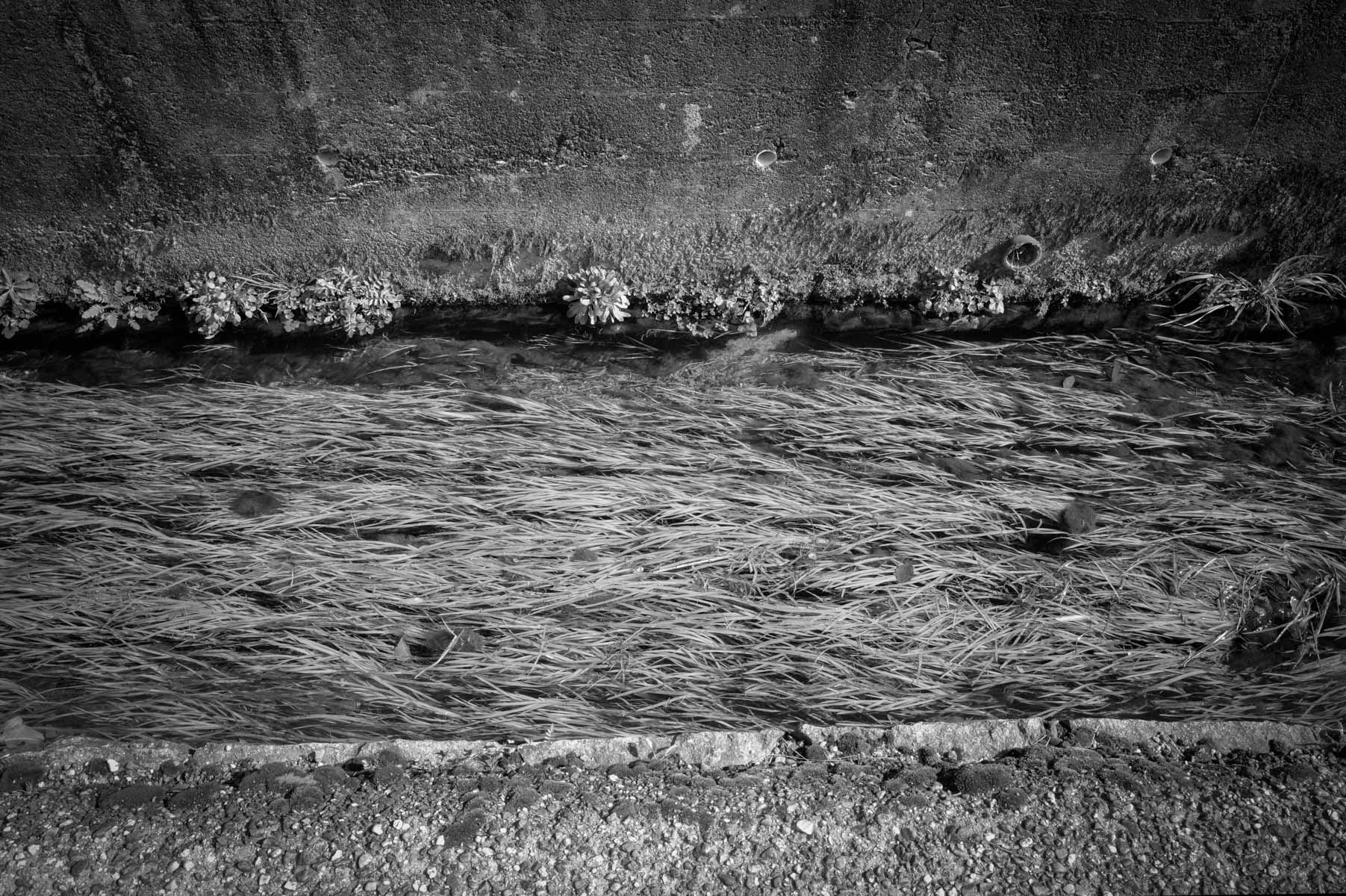
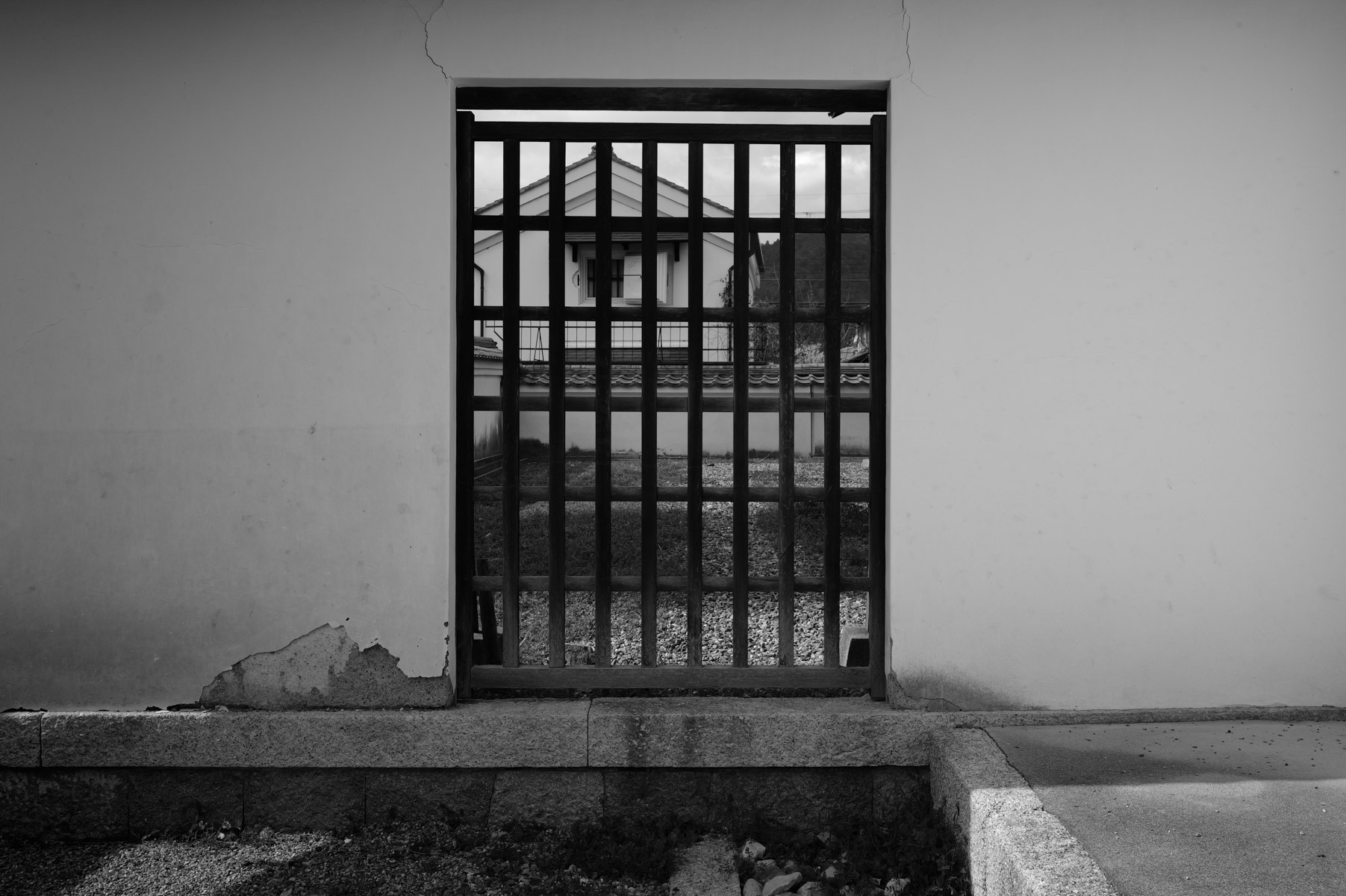
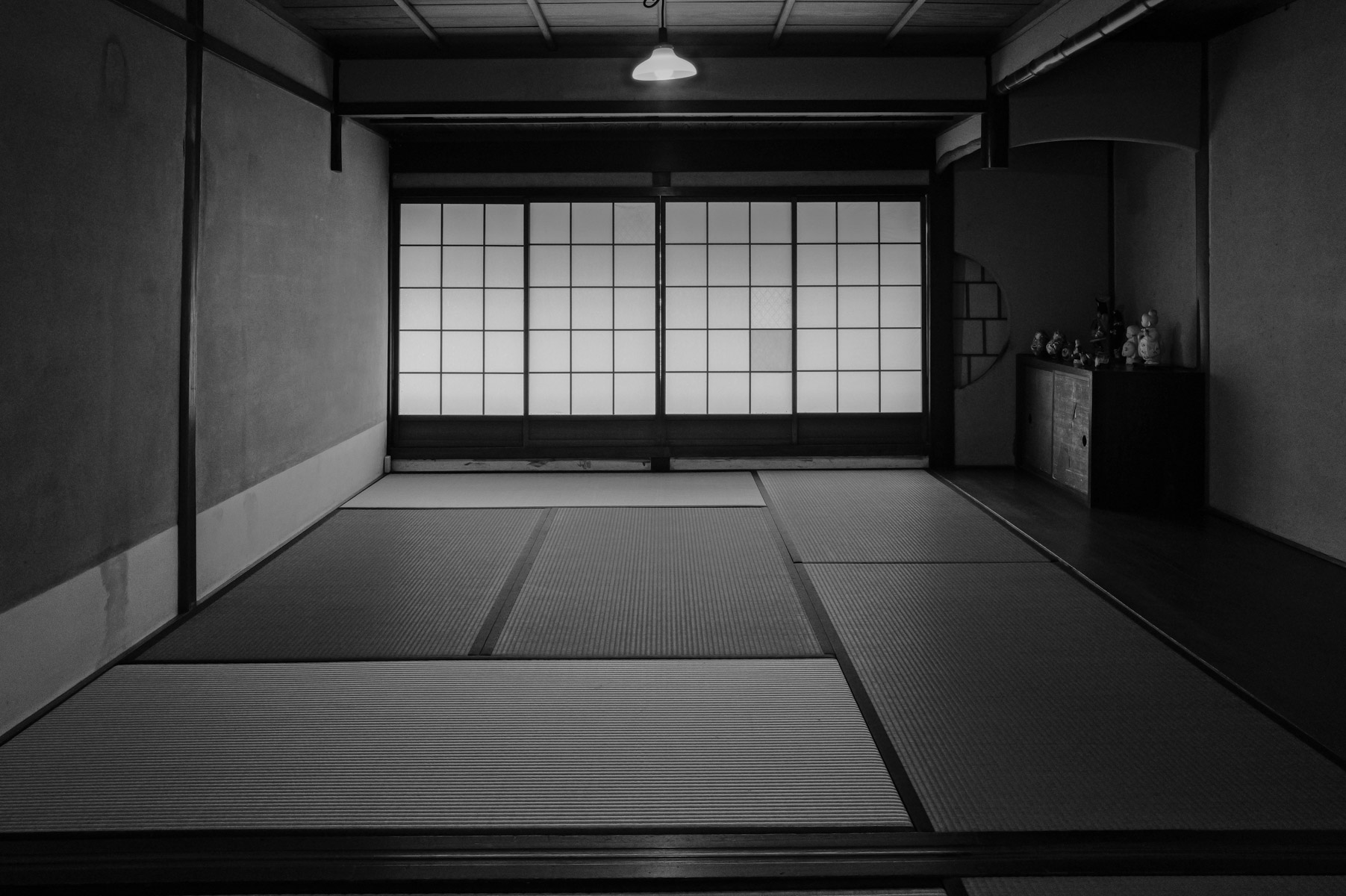
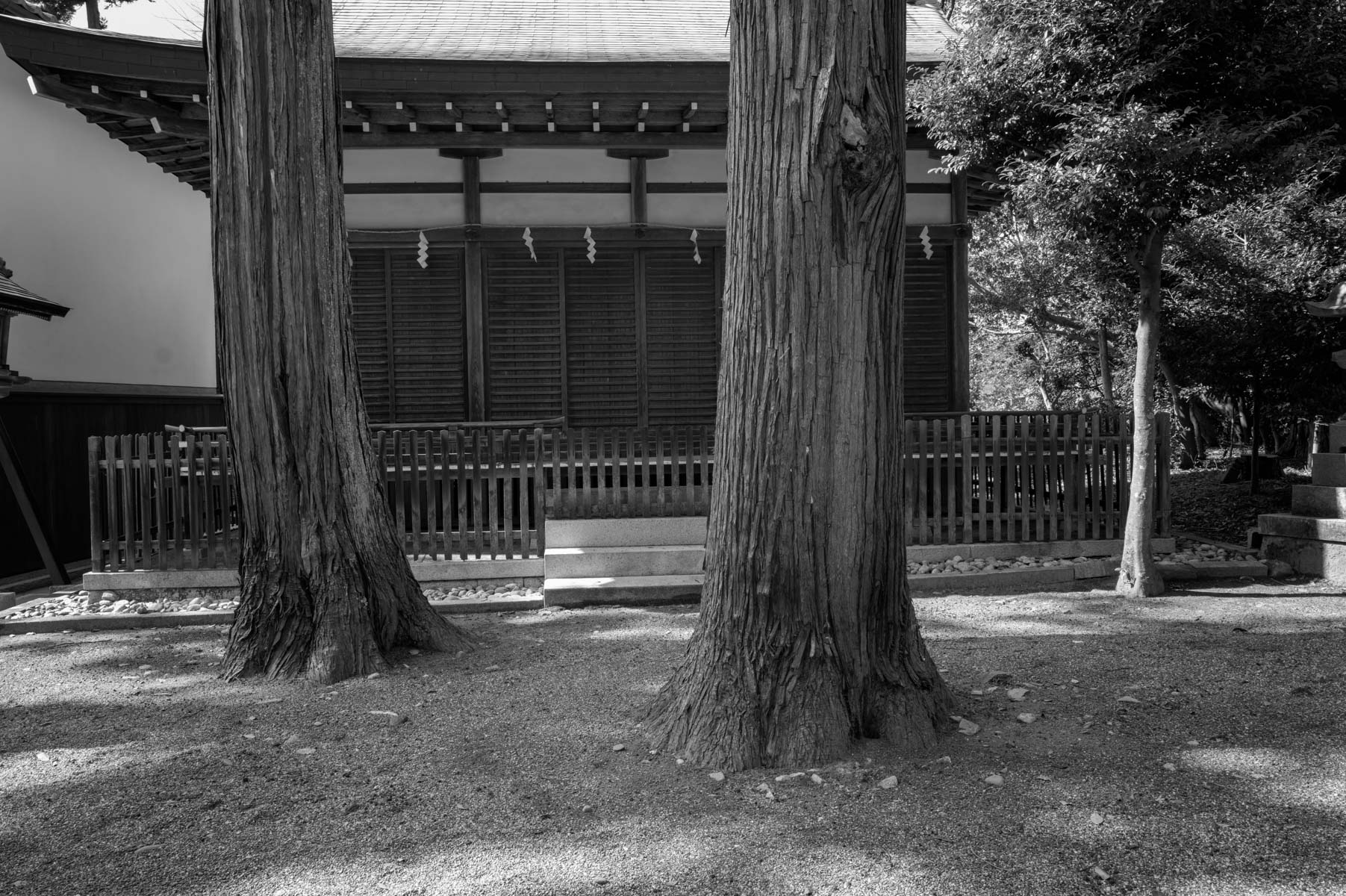
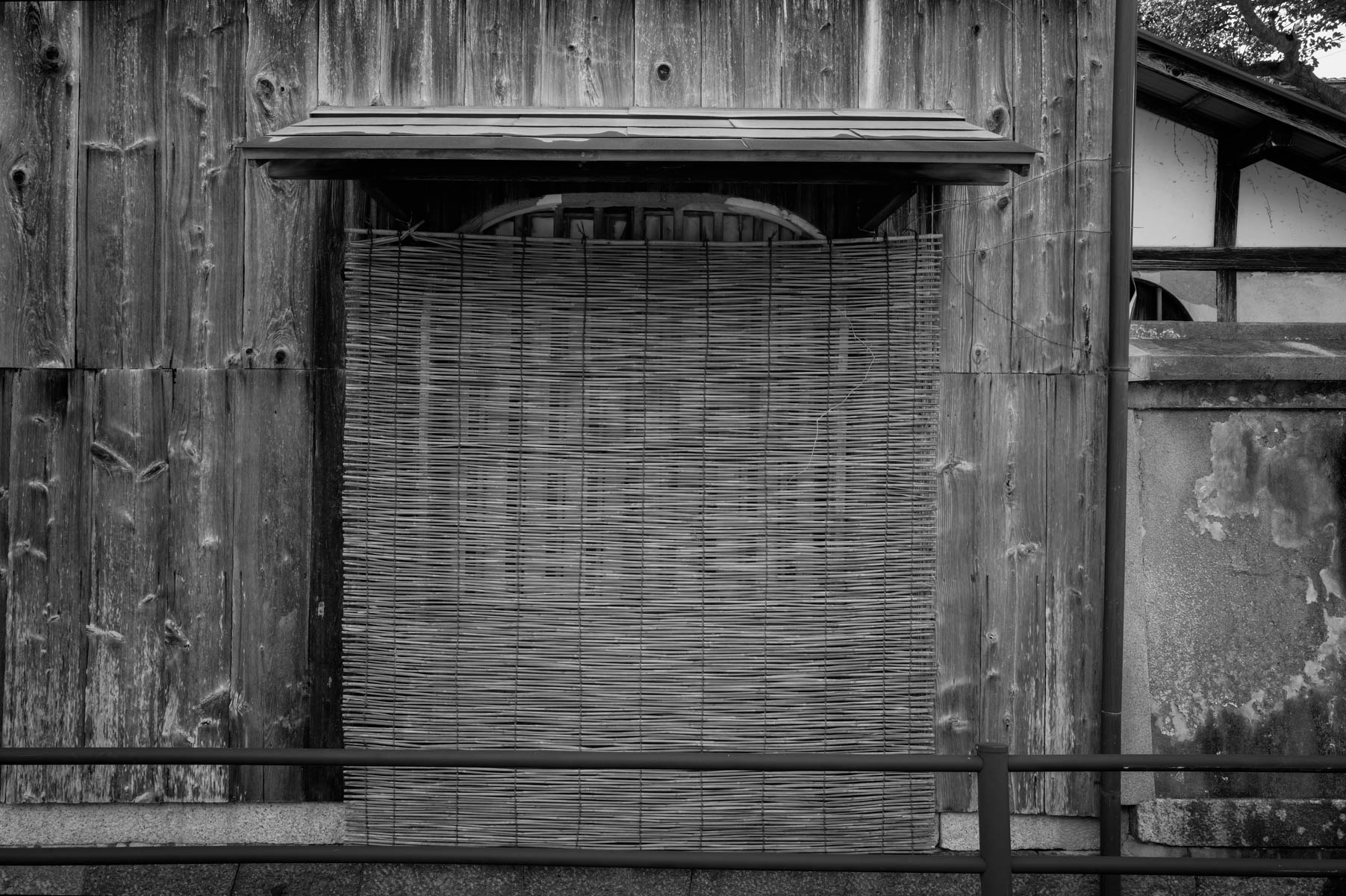
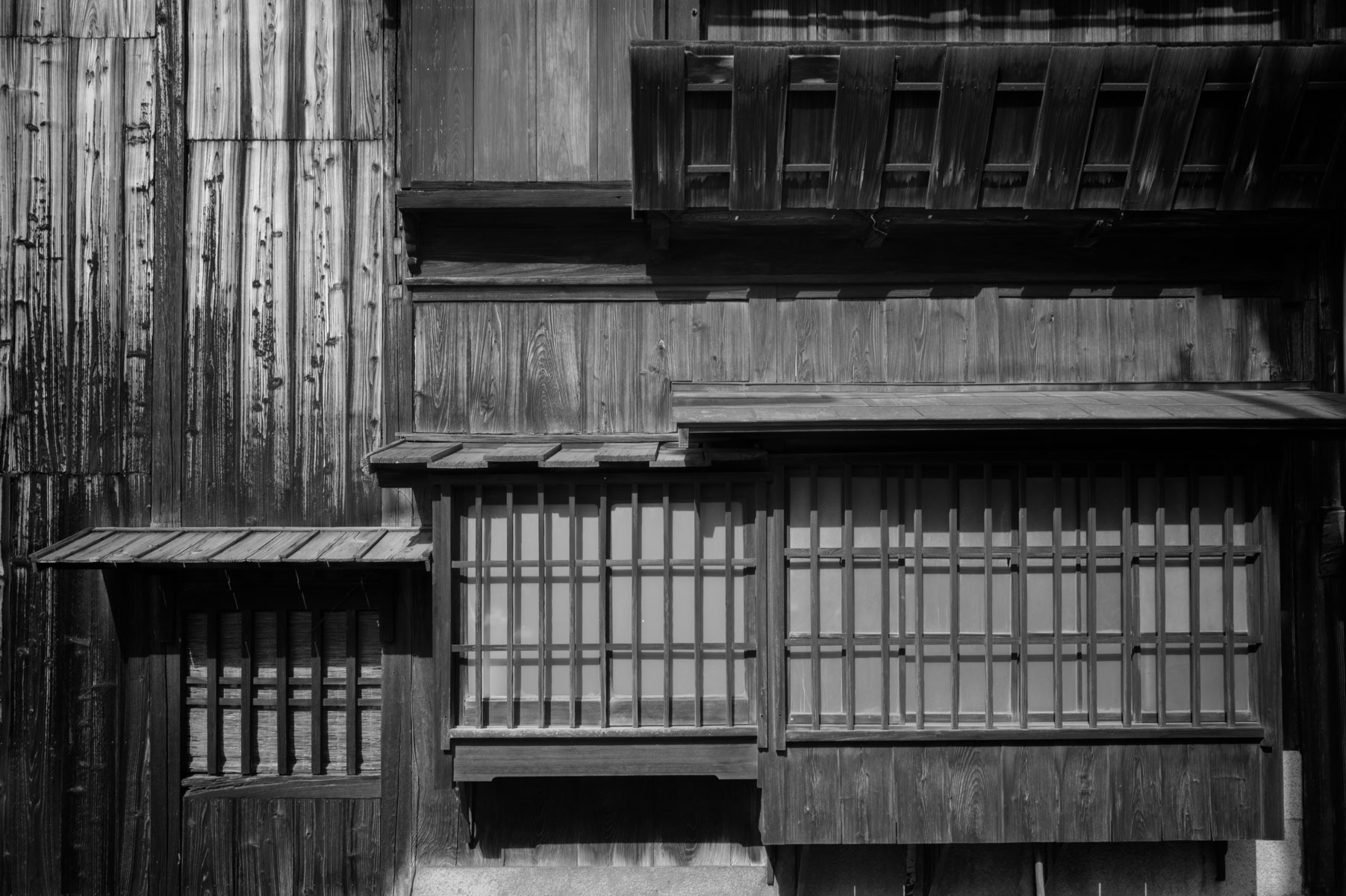

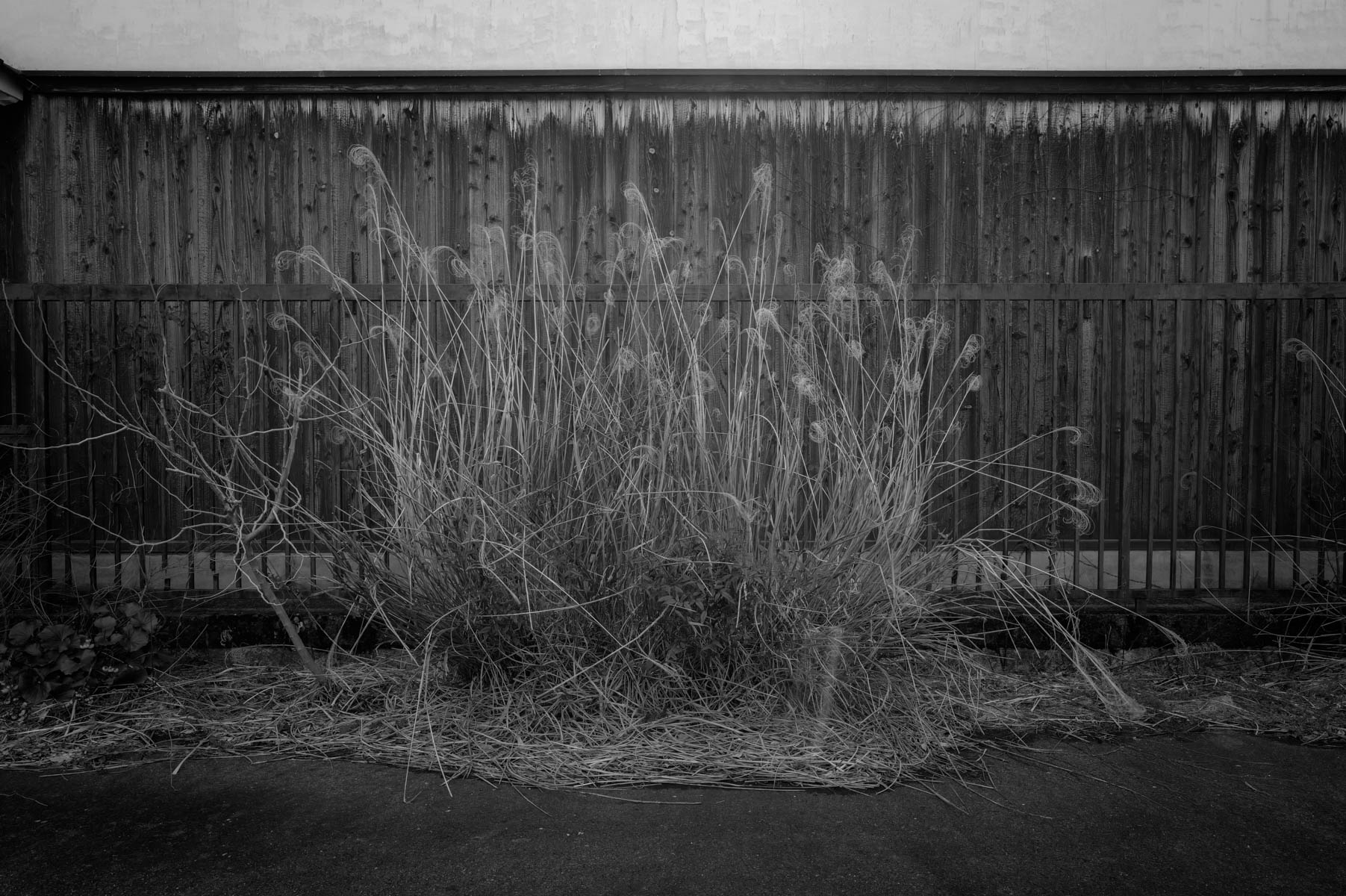
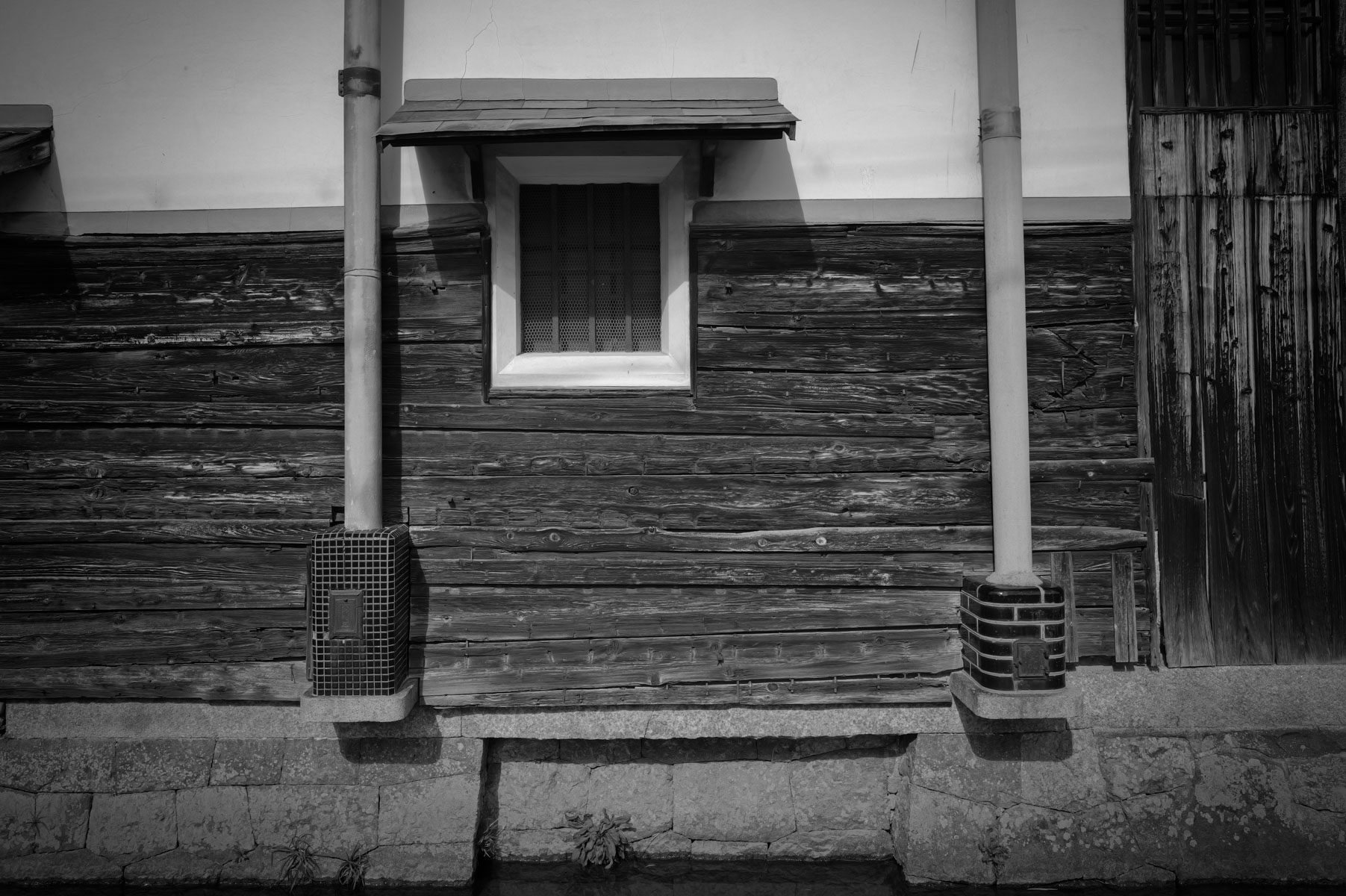
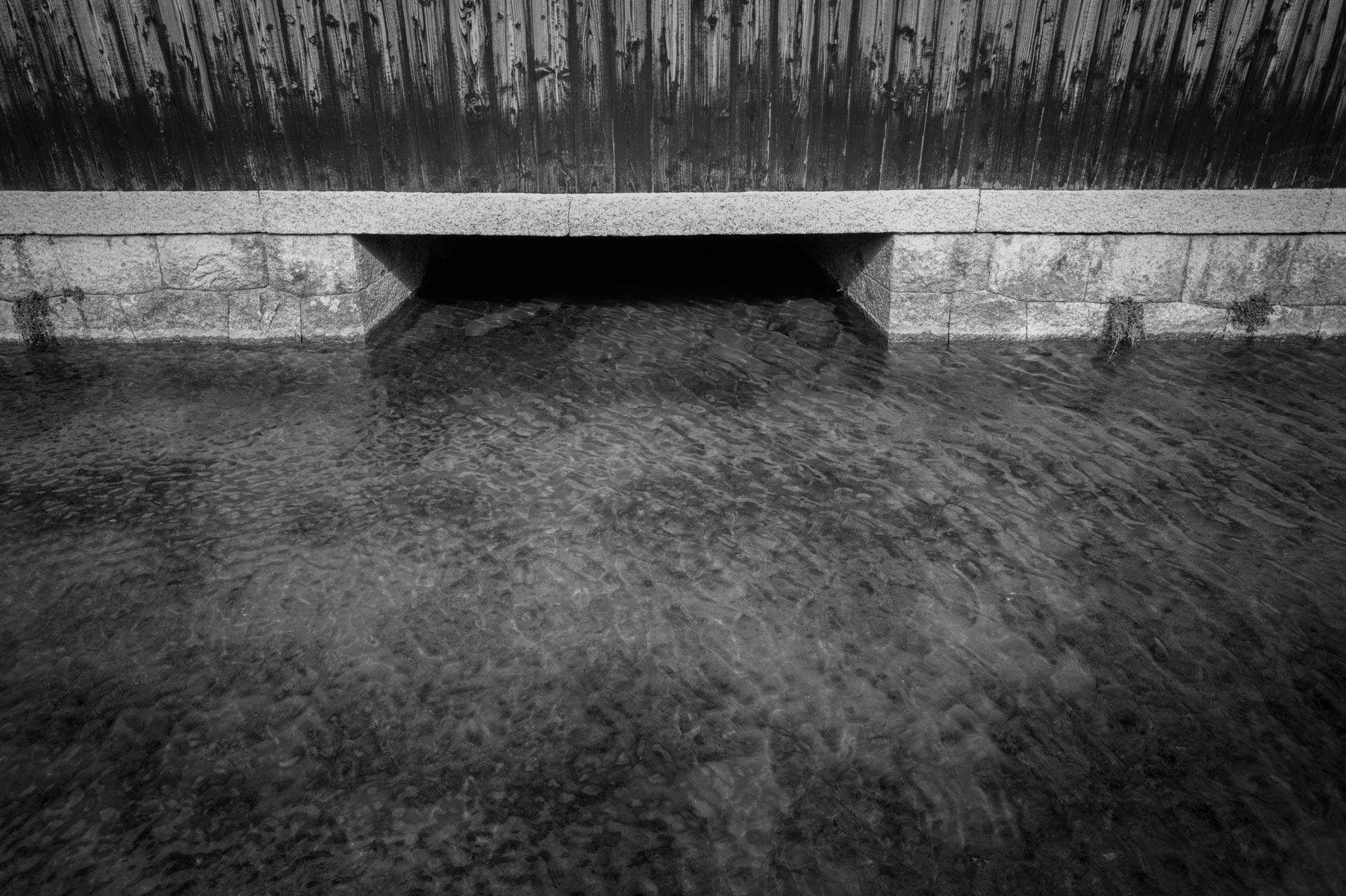
沖島を訪れた同じ出張の折、足を延ばして五個荘金堂へと向かった。滋賀県東近江市に位置するこの地は、江戸後期から明治にかけて全国へ雄飛した近江商人の発祥地のひとつであり、国の重要伝統的建造物群保存地区にも指定されている。
白壁と舟板塀をめぐらせた商人屋敷が、鯉の泳ぐ水路に沿って静かに建ち並ぶ。近江商人の精神的な支柱として知られる「三方よし」——売り手よし、買い手よし、世間よし——の思想は、この町の質素でありながら品格のある佇まいにそのまま映し出されているようだった。派手さはなく、しかし細部には確かな矜持が宿っている。
幹線道路から外れたこの地が、近代化の波を免れてこれほどの景観を今日まで保ち得たのは、偶然ではないのかもしれない。商いで全国を歩き回りながらも、本拠を近江に置き続けた商人たちの気概が、この町そのものを守ってきたのだろう。静かな路地を歩きながら、かつてここから日本各地に旅立った人々の姿を思い浮かべつつ春寒の街を散歩しました
On the same business trip that brought me to Okishima, I extended my journey to Gokasho Kondo. Located in Higashi-Omi City in Shiga Prefecture, this is one of the birthplaces of the Omi merchants — traders who fanned out across Japan from the late Edo period through the Meiji era — and the district is now designated as an Important Preservation District for Groups of Historic Buildings. Merchant residences, their white-plastered walls lined with ship-plank fences, stand quietly along waterways where carp drift beneath the surface. The philosophy of sanpo yoshi — "good for the seller, good for the buyer, good for society" — long regarded as the spiritual backbone of the Omi merchant tradition, seemed to find its physical form in the town itself: unpretentious, yet carrying an unmistakable quiet dignity in every detail. No ostentation anywhere, yet in the particulars, a clear sense of pride. That this place, set apart from the main roads, has managed to preserve so much of its character into the present day may be no accident. Perhaps it was the spirit of the merchants themselves — men who traveled the length and breadth of Japan for their trade, yet always kept their roots firmly here in Omi — that has quietly protected this town across the centuries. Walking the still lanes on a cold spring morning, I found myself imagining the figures of those who once set out from these very streets to journey across the country.