

江之浦測候所 杉本博司の遺作制作
/ 関東 Kanto/ 神奈川
江之浦測候所と杉本博司の思い
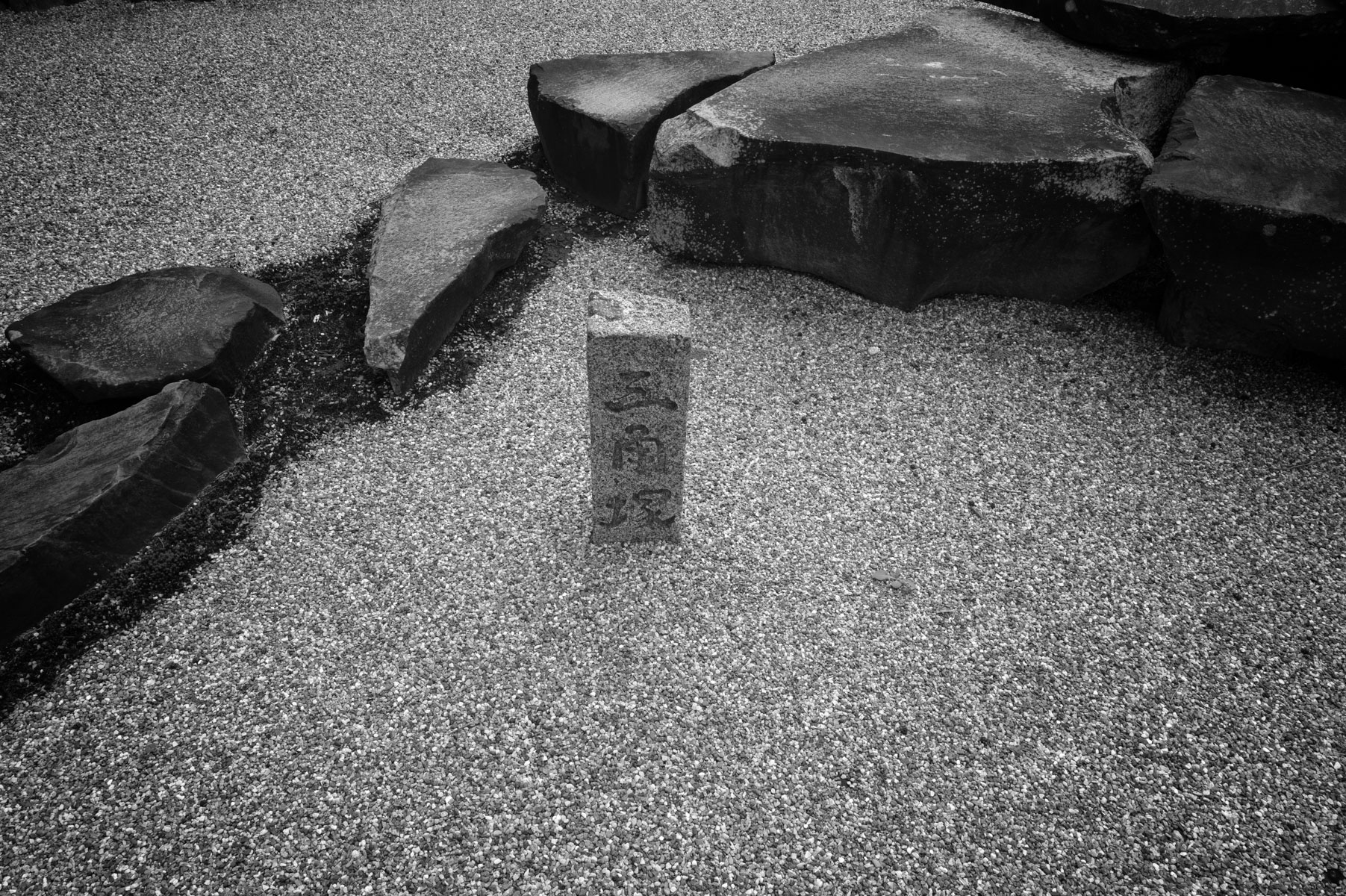
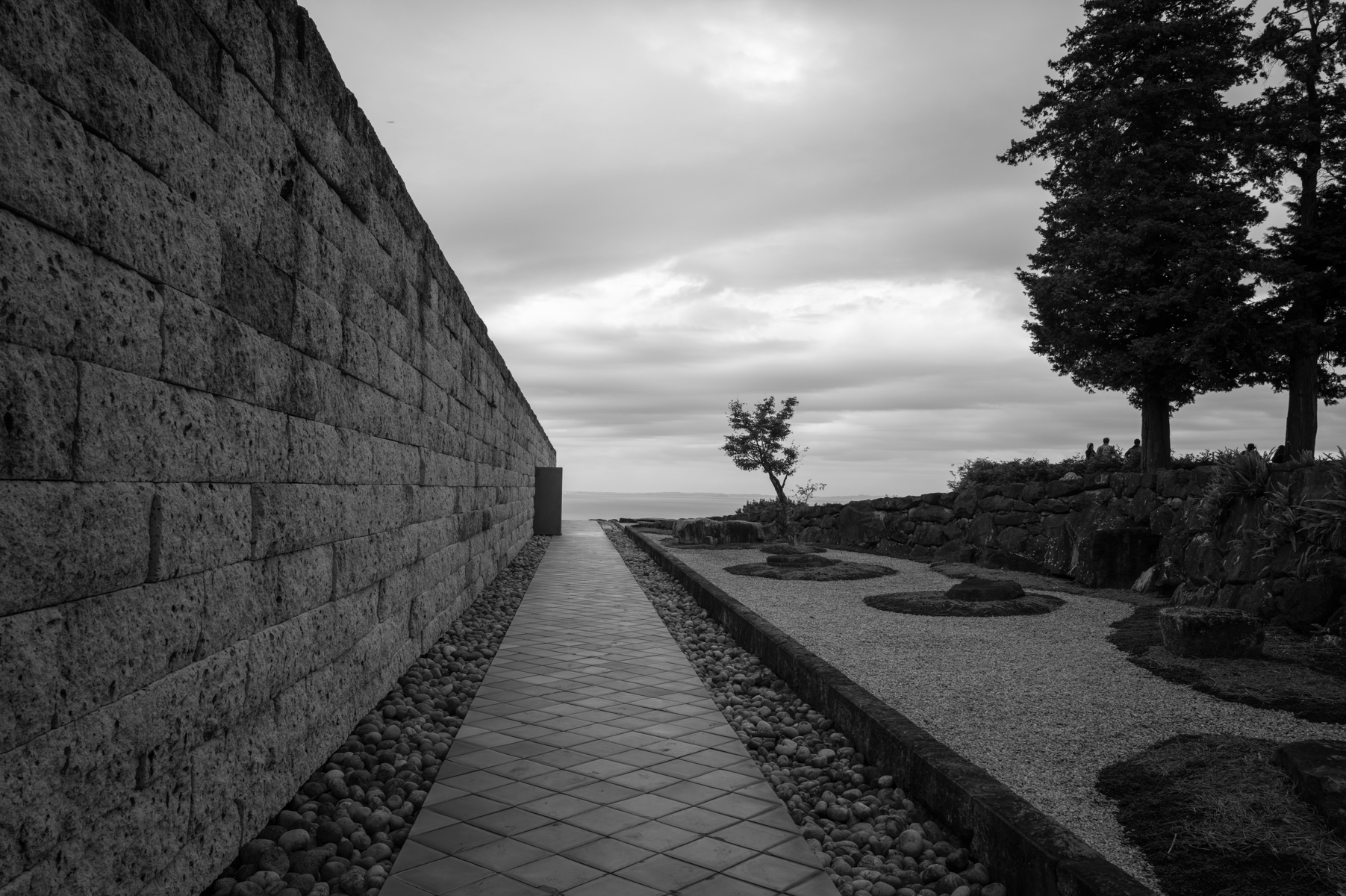
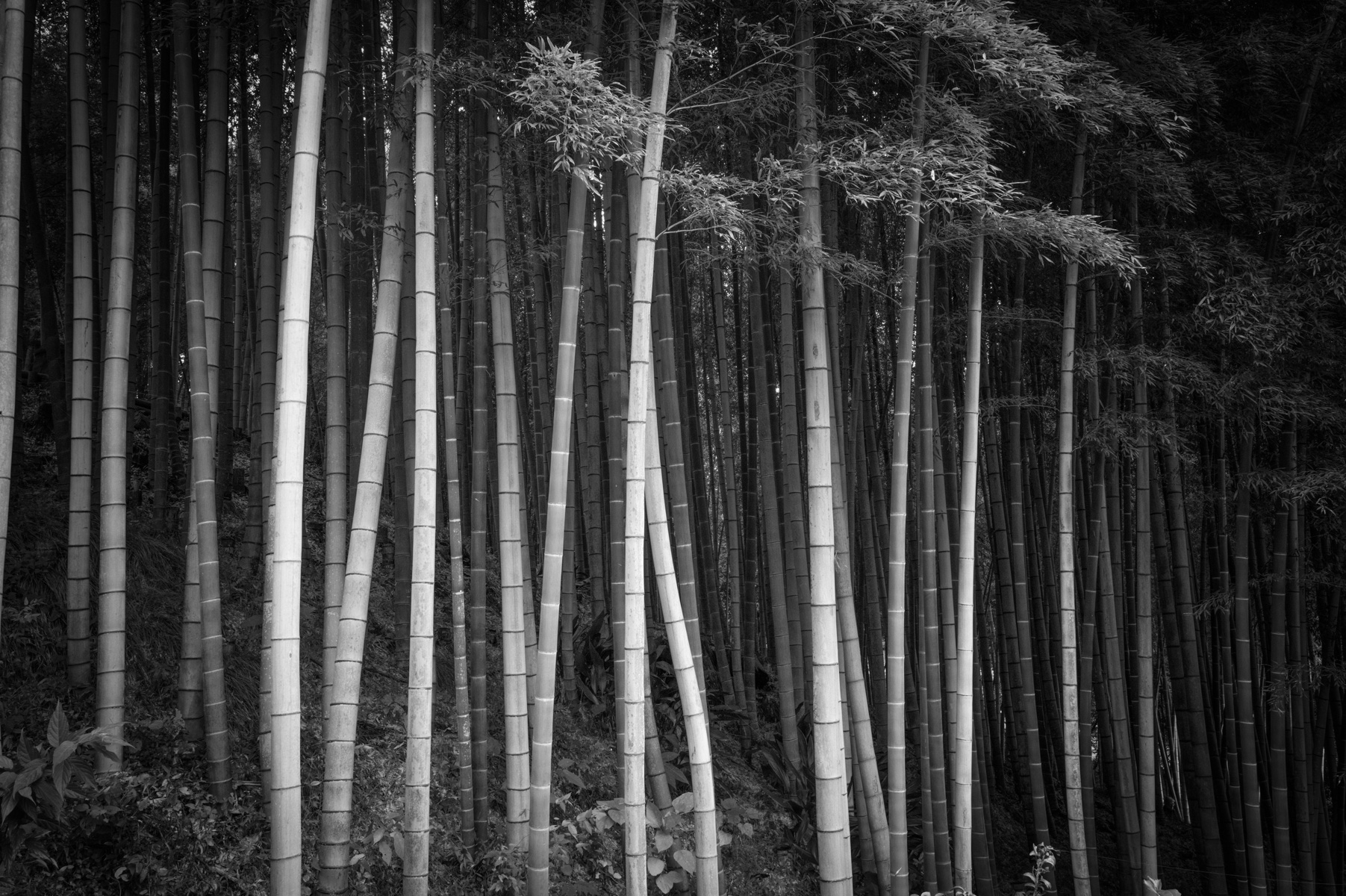
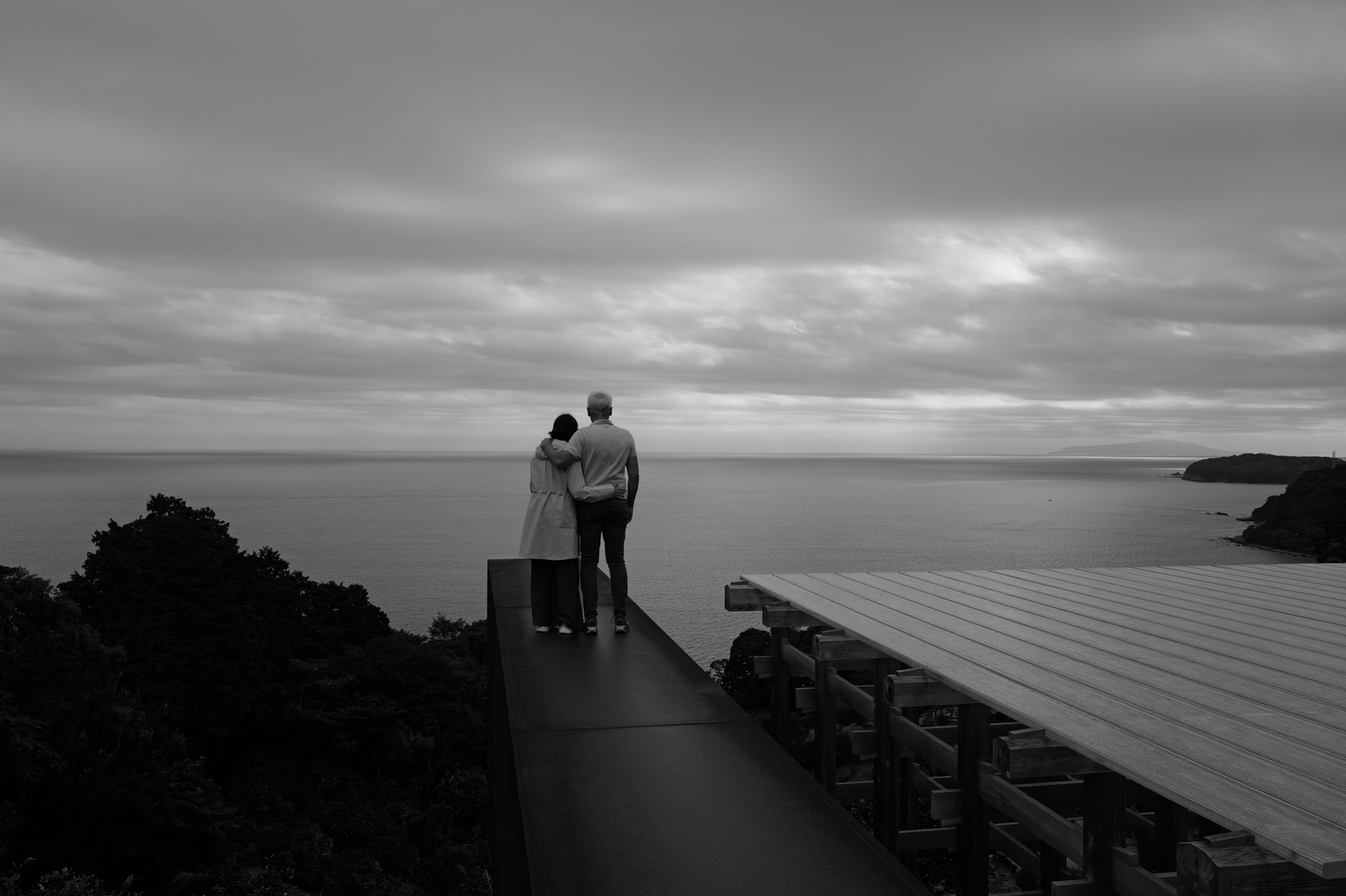
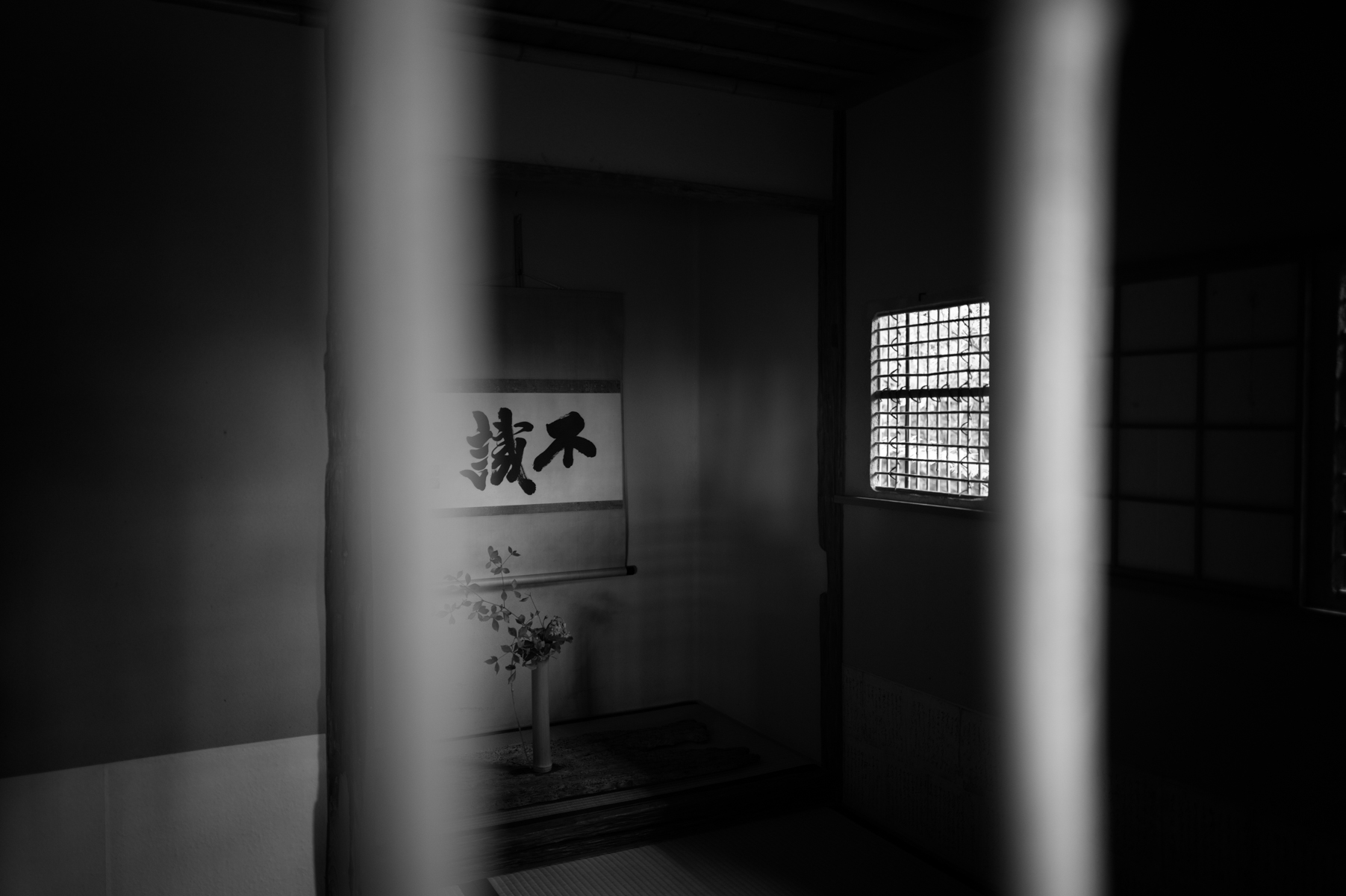
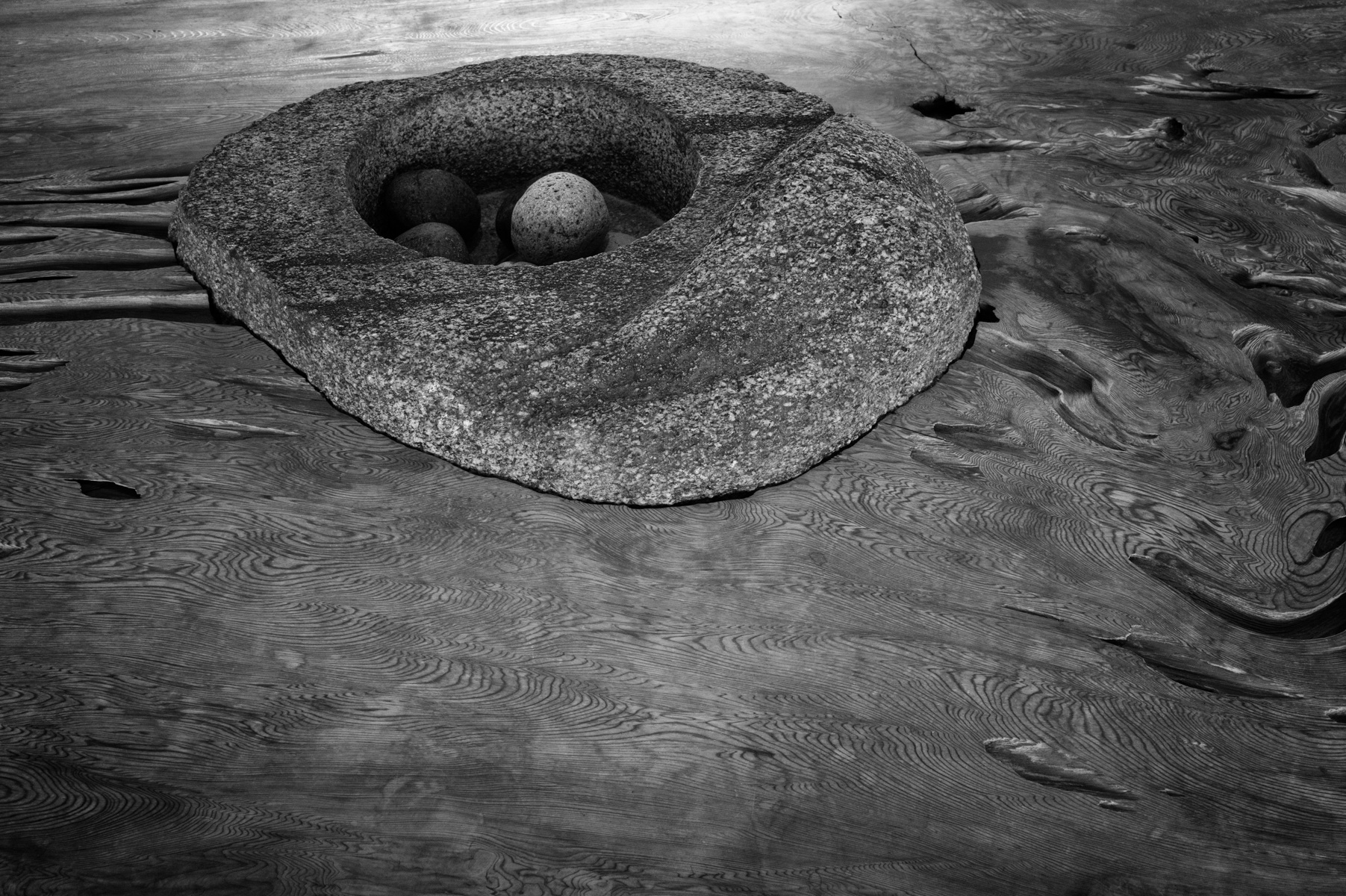
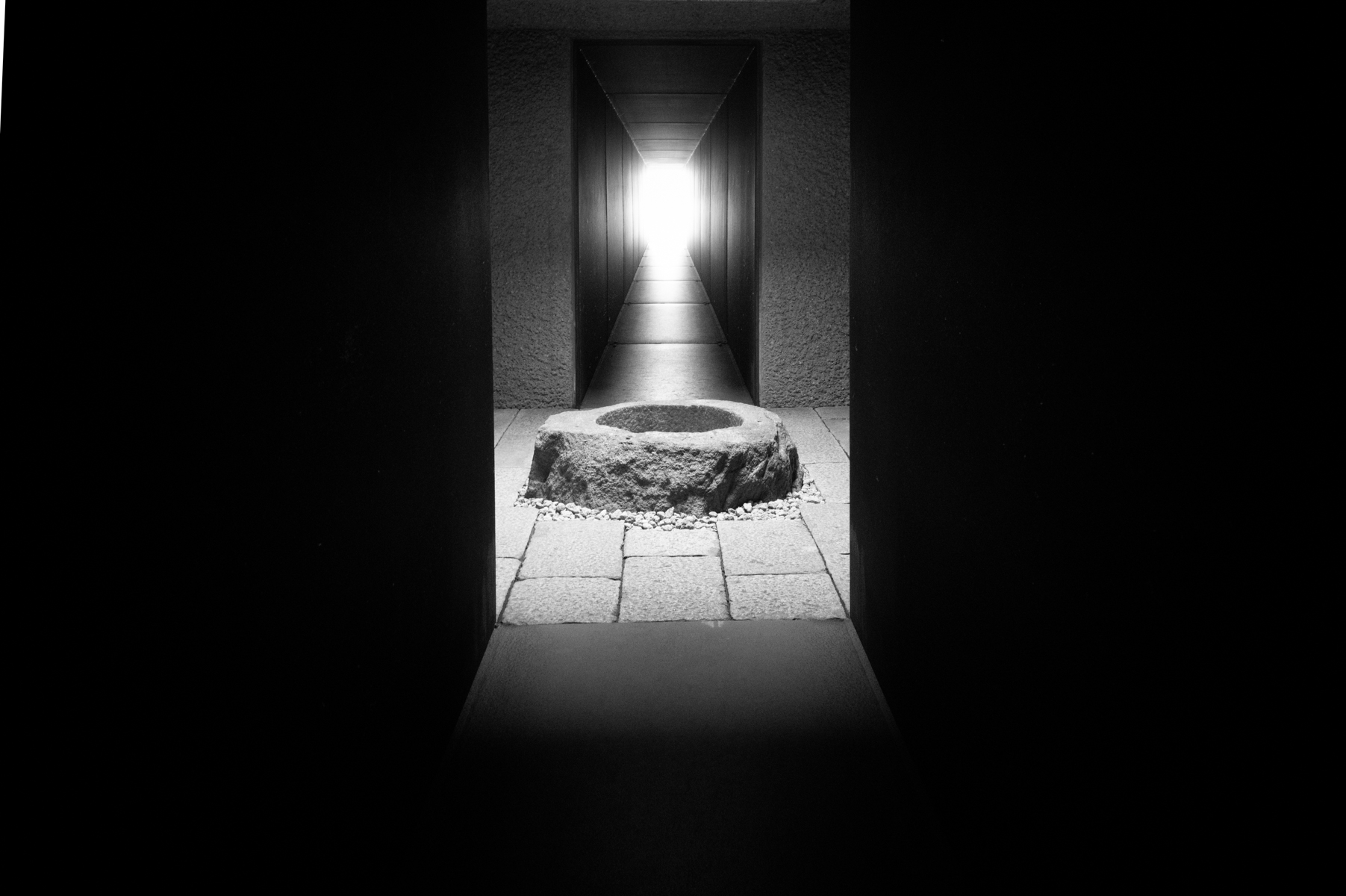
小田原文化財団 江之浦測候所は、現代美術作家・杉本博司が構想から20年以上の歳月をかけて小田原市江之浦の山上につくり上げ、2017年に誕生した施設です。箱根外輪山を背に相模湾を望む高台に、夏至光遥拝100メートルギャラリー、石舞台、光学硝子舞台、茶室「雨聴天」、明月門などが、太陽の動きや地軸の角度と連動して配置されています。各建築は平安・室町・大正など各時代の伝統的な建築様式・工法でつくられ、日本建築史を通覧する構成です。素材には根府川石や小松石など地元の石材が使われています。
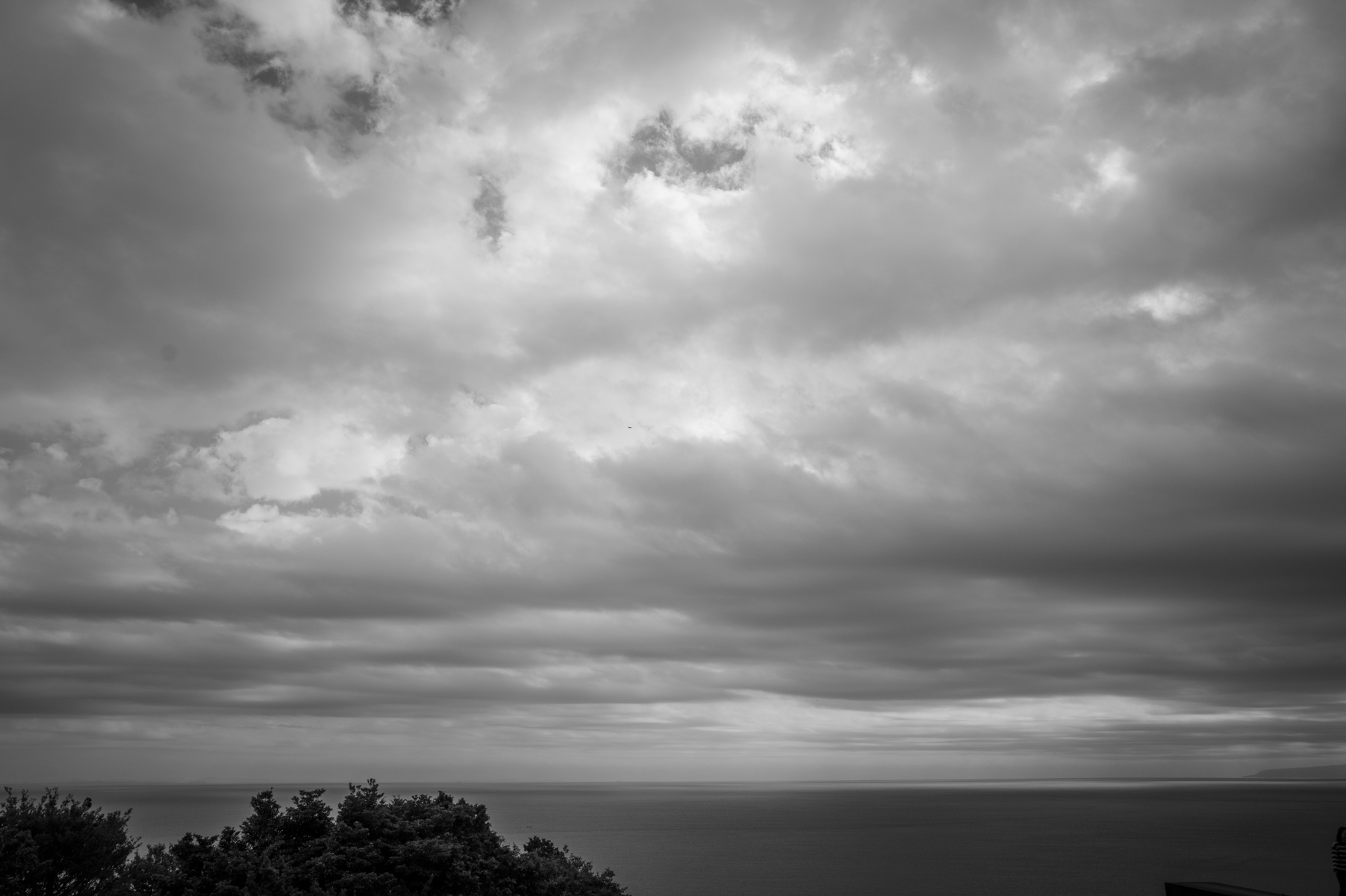
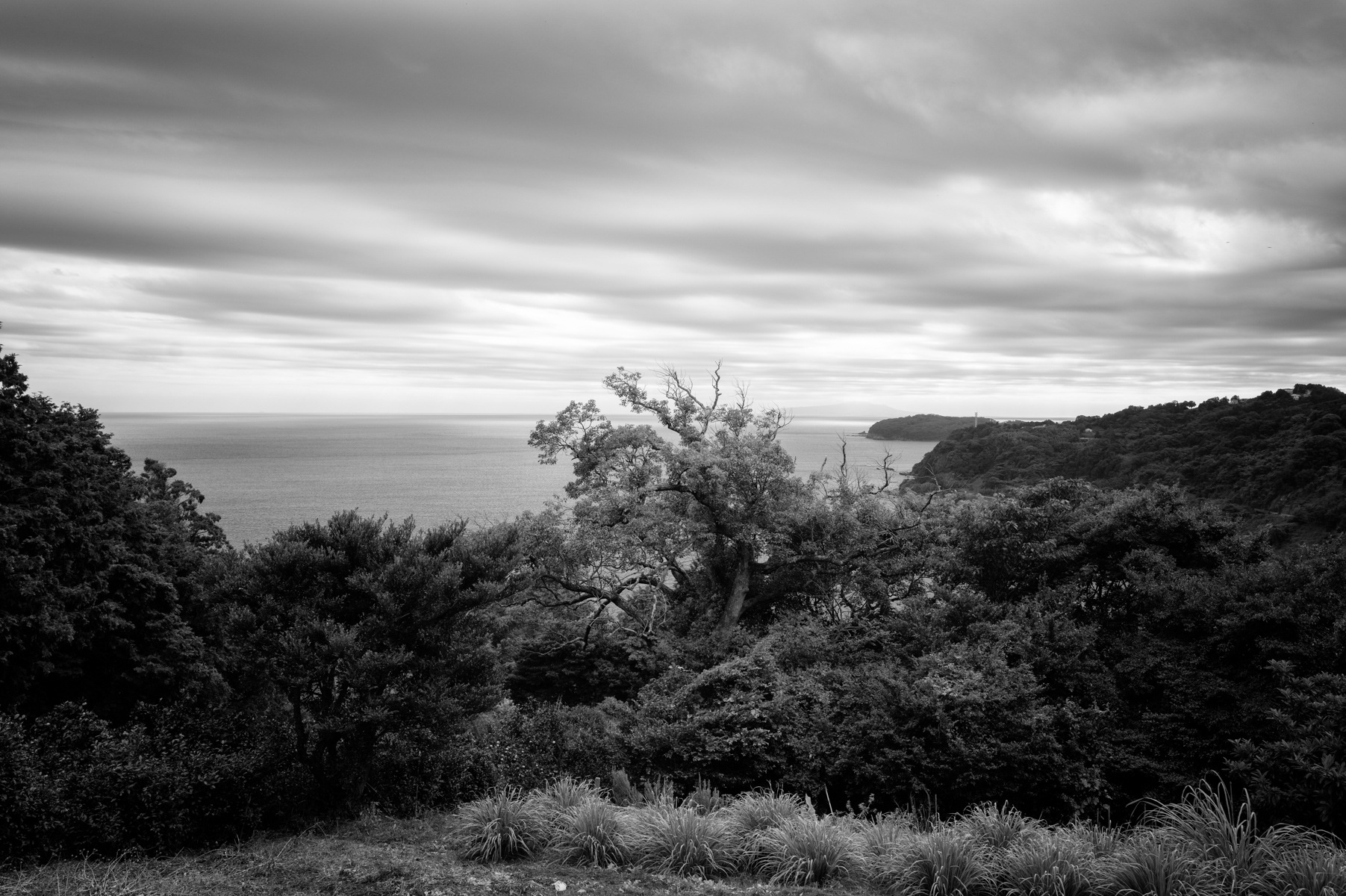
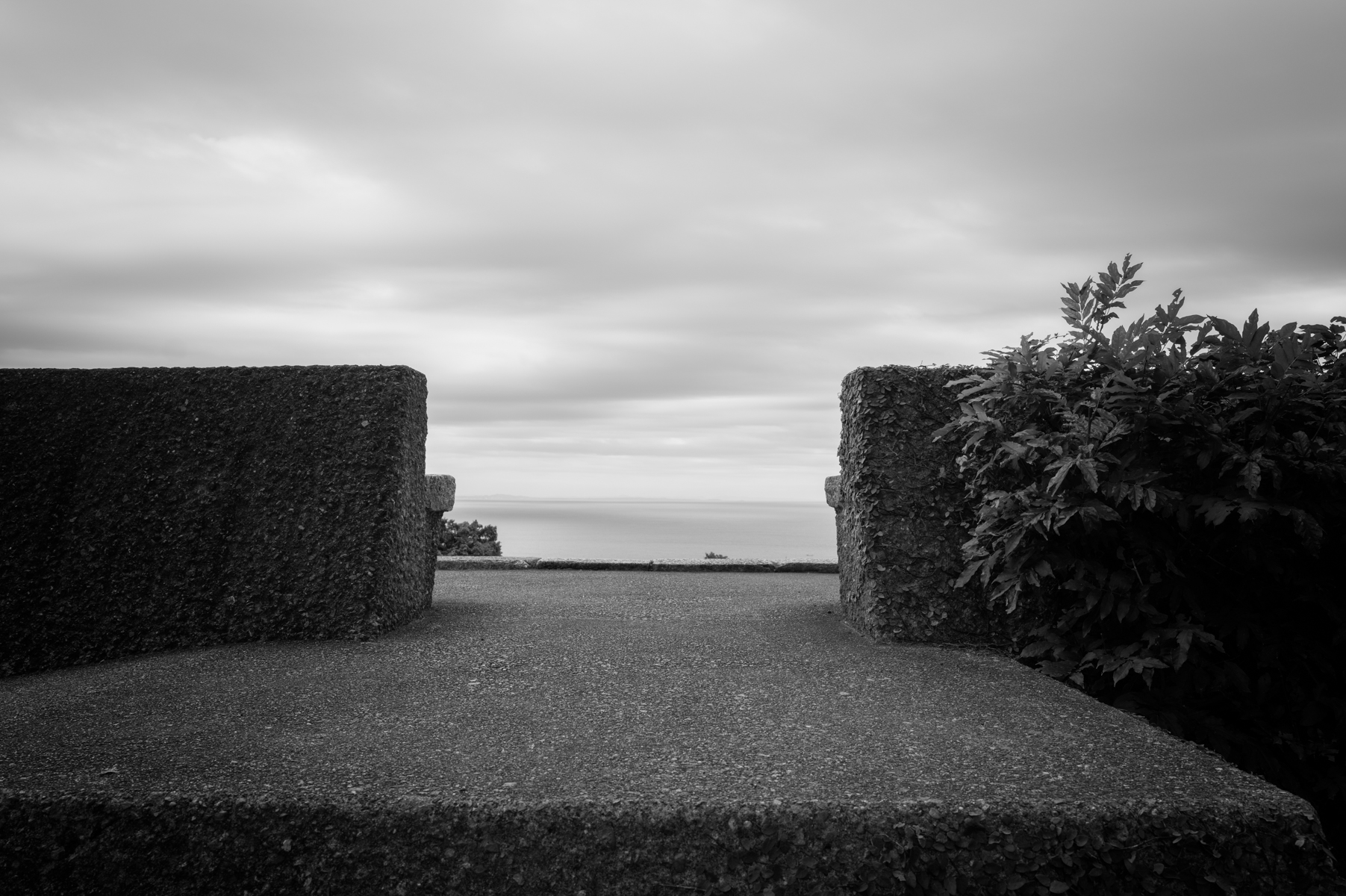
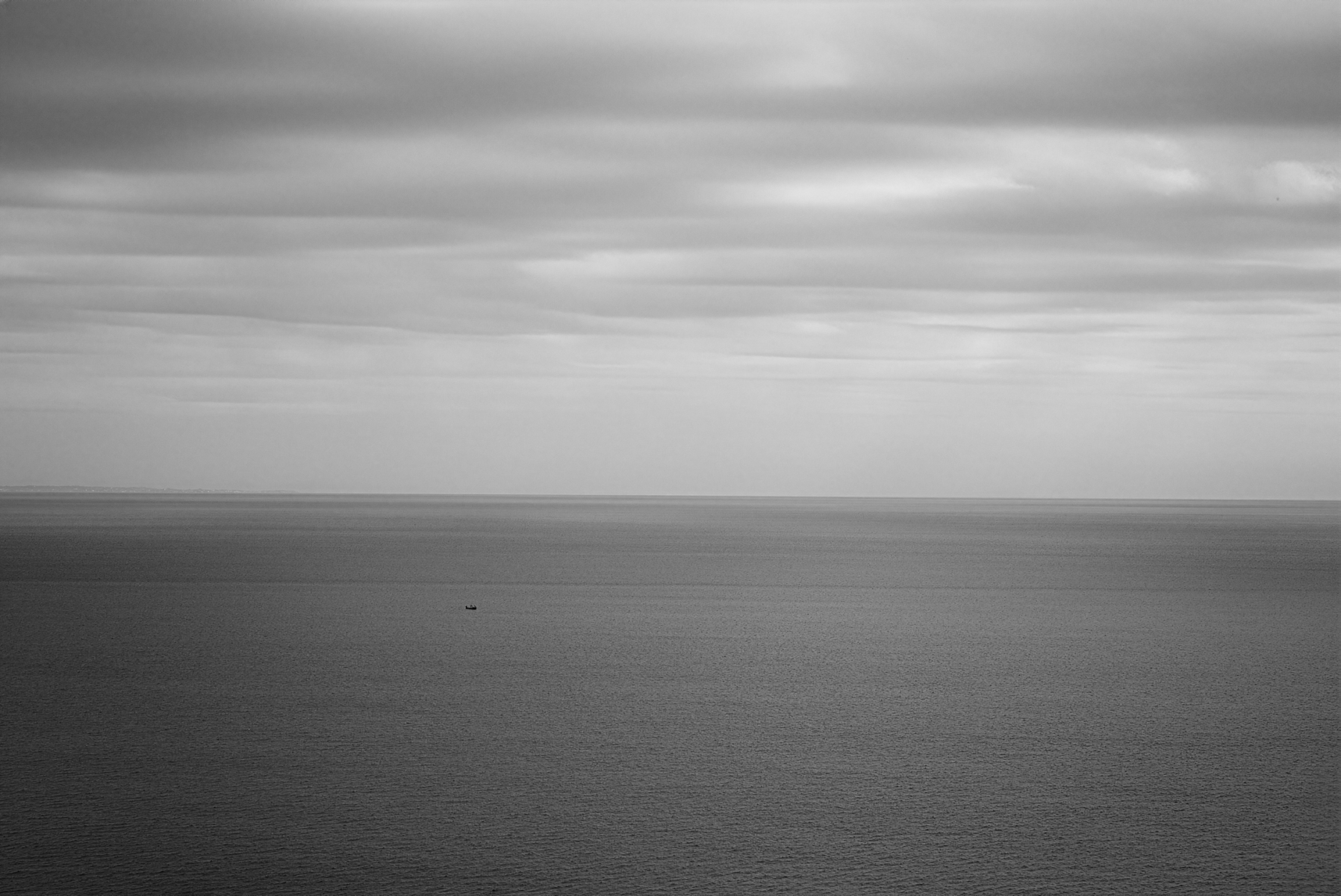
「測候所」という名は、意識が芽生えた古代人が、天空との関係から自らの存在を確かめたことにならったものです。杉本はここで、人類の意識の原点に立ち返り、現代における芸術の意味を問い直すことを目指しました。また、ここから見える相模湾の水平線は、杉本自身が「生まれて最初に記憶している風景」と語るもので、代表作「海景」につながっています。小田原は杉本にとって「心のふるさと」と呼ぶ土地でもあります。
Enoura Observatory and the Vision of Hiroshi Sugimoto The Odawara Art Foundation's Enoura Observatory opened in 2017, the culmination of more than twenty years of work by contemporary artist Hiroshi Sugimoto, who built it on a hilltop in Enoura, Odawara. Set on high ground with the outer rim of the Hakone mountains behind it and Sagami Bay spread out below, the site brings together the Summer Solstice Light-Worship 100-Meter Gallery, the Stone Stage, the Optical Glass Stage, the tea house "Uchoten," the Meigetsu Gate, and other structures, all positioned in alignment with the movement of the sun and the angle of the Earth's axis. Each building was made using the traditional architectural styles and techniques of a different era, from the Heian and Muromachi periods to the Taisho period, so that together they offer a survey of the history of Japanese architecture. Local stones such as Nebukawa stone and Komatsu stone are used throughout. The name "Observatory" refers to the way ancient people, as consciousness first awakened in them, confirmed their own existence through their relationship with the heavens. Here, Sugimoto sought to return to the origins of human consciousness and to reconsider the meaning of art in our time. The horizon of Sagami Bay seen from the site is, in Sugimoto's own words, the first landscape he remembers from his life, and it led to his celebrated "Seascapes" series. Odawara is also the place Sugimoto calls the home of his heart.