

白南風(しろはえ)の庭 高台寺 2025年6月30日
/ 京都 Kyoto/
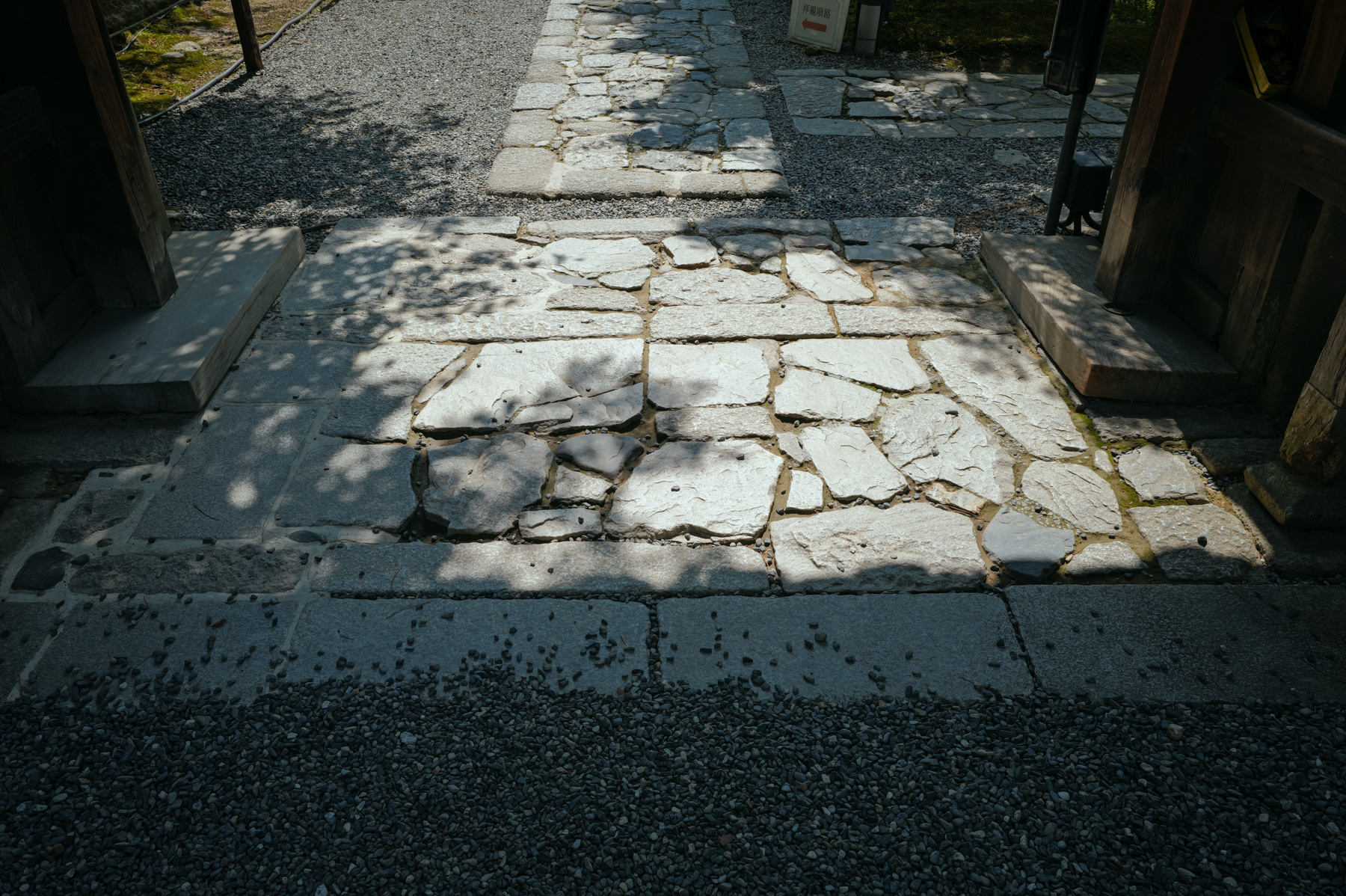
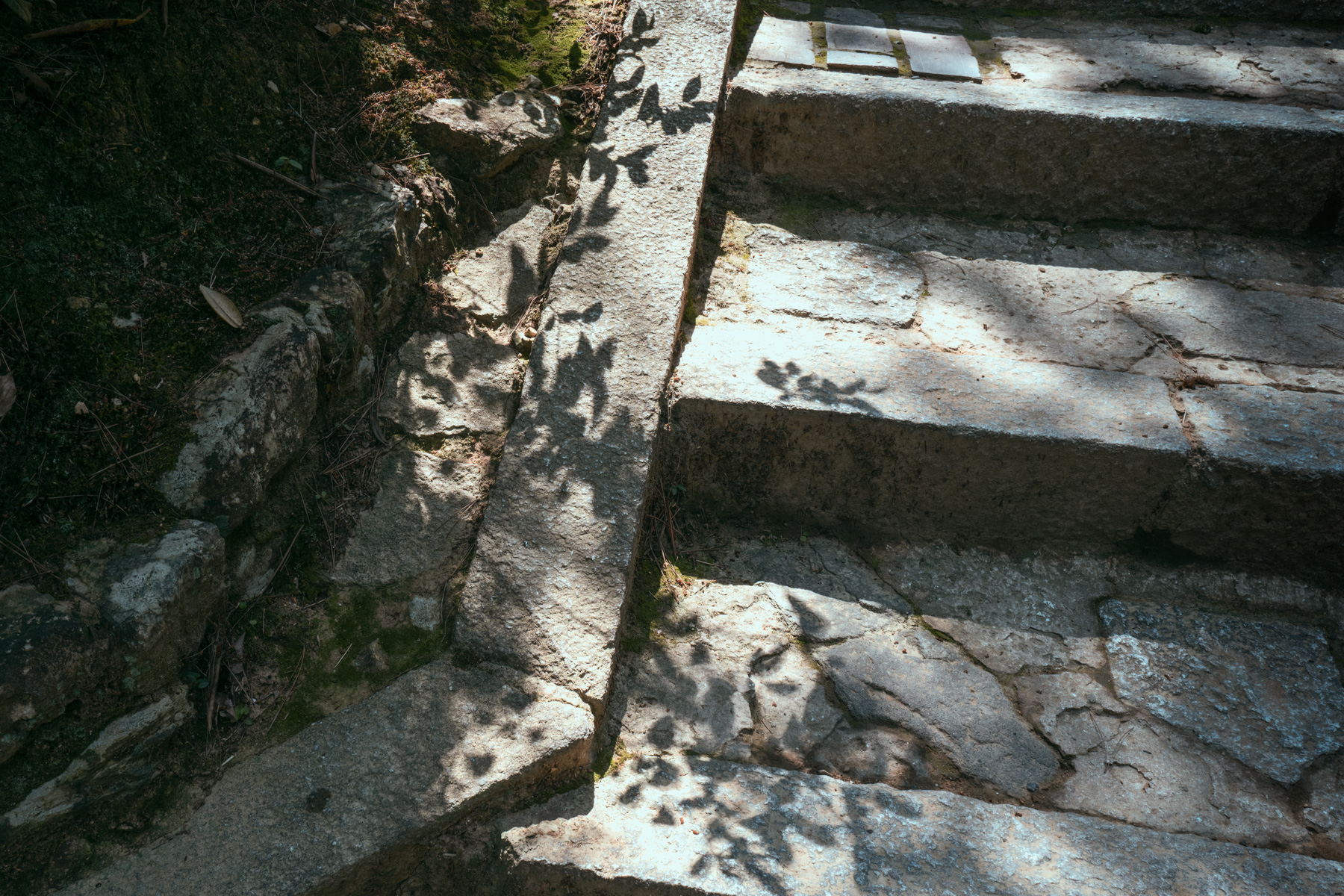

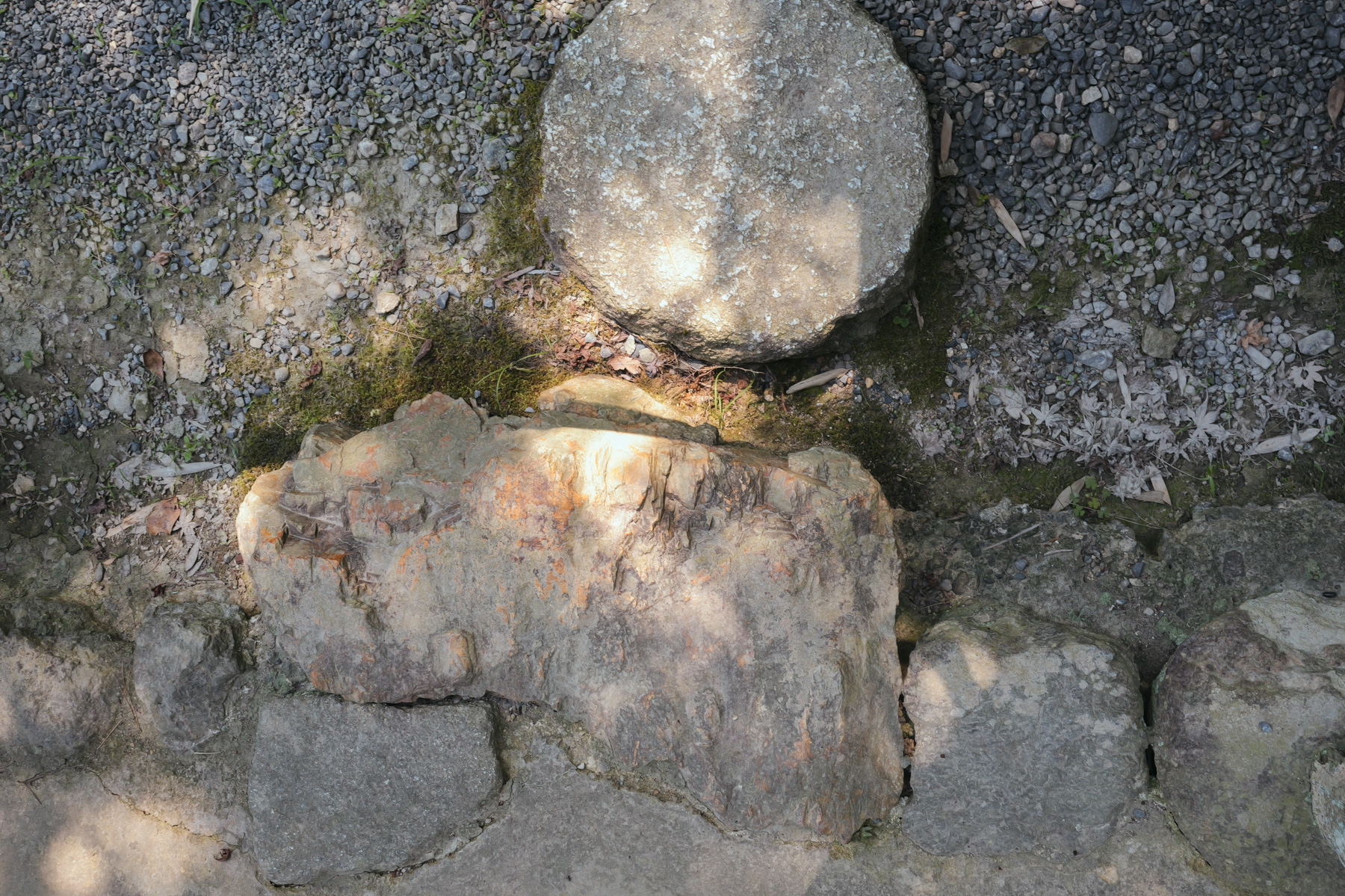
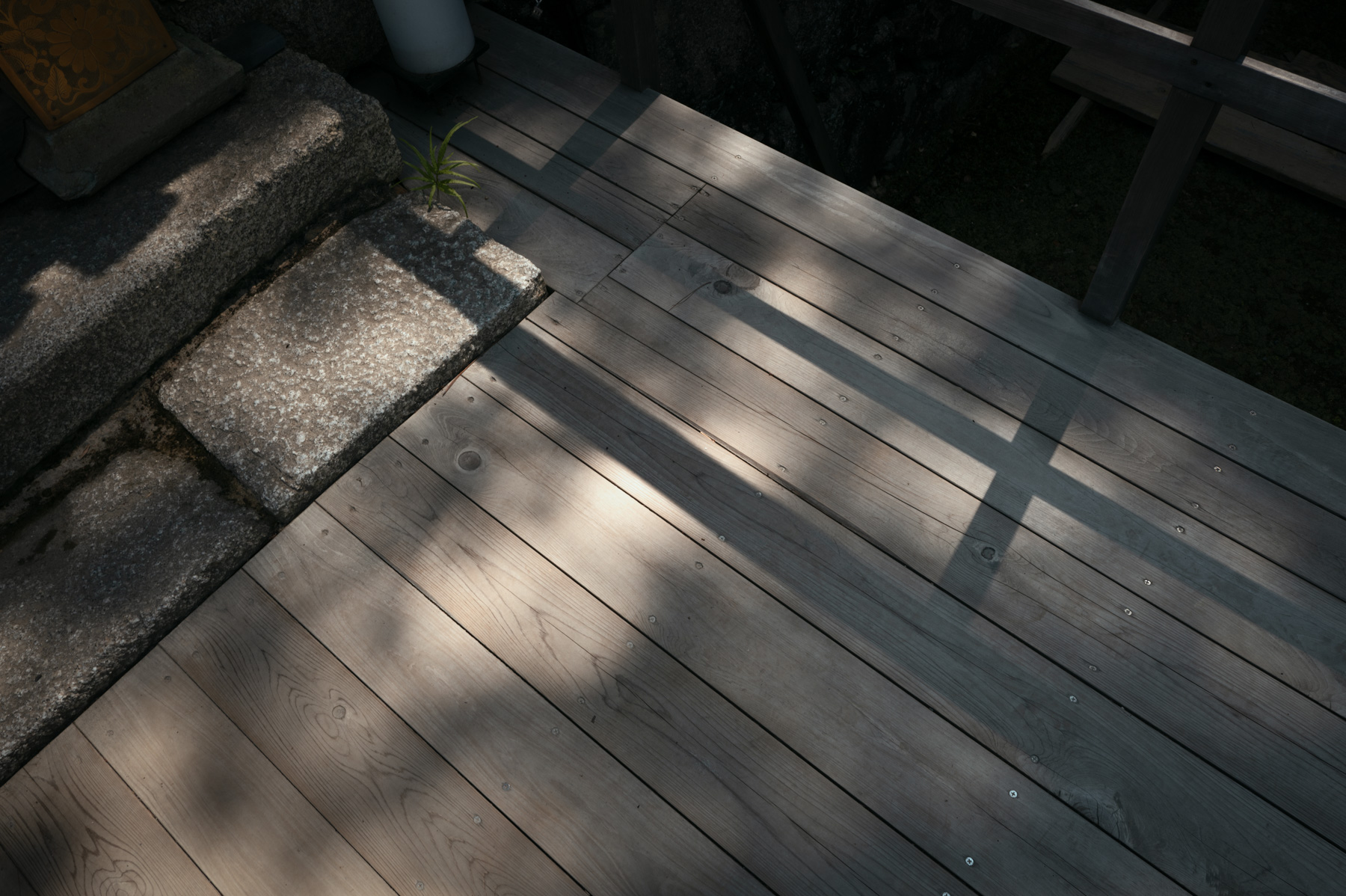
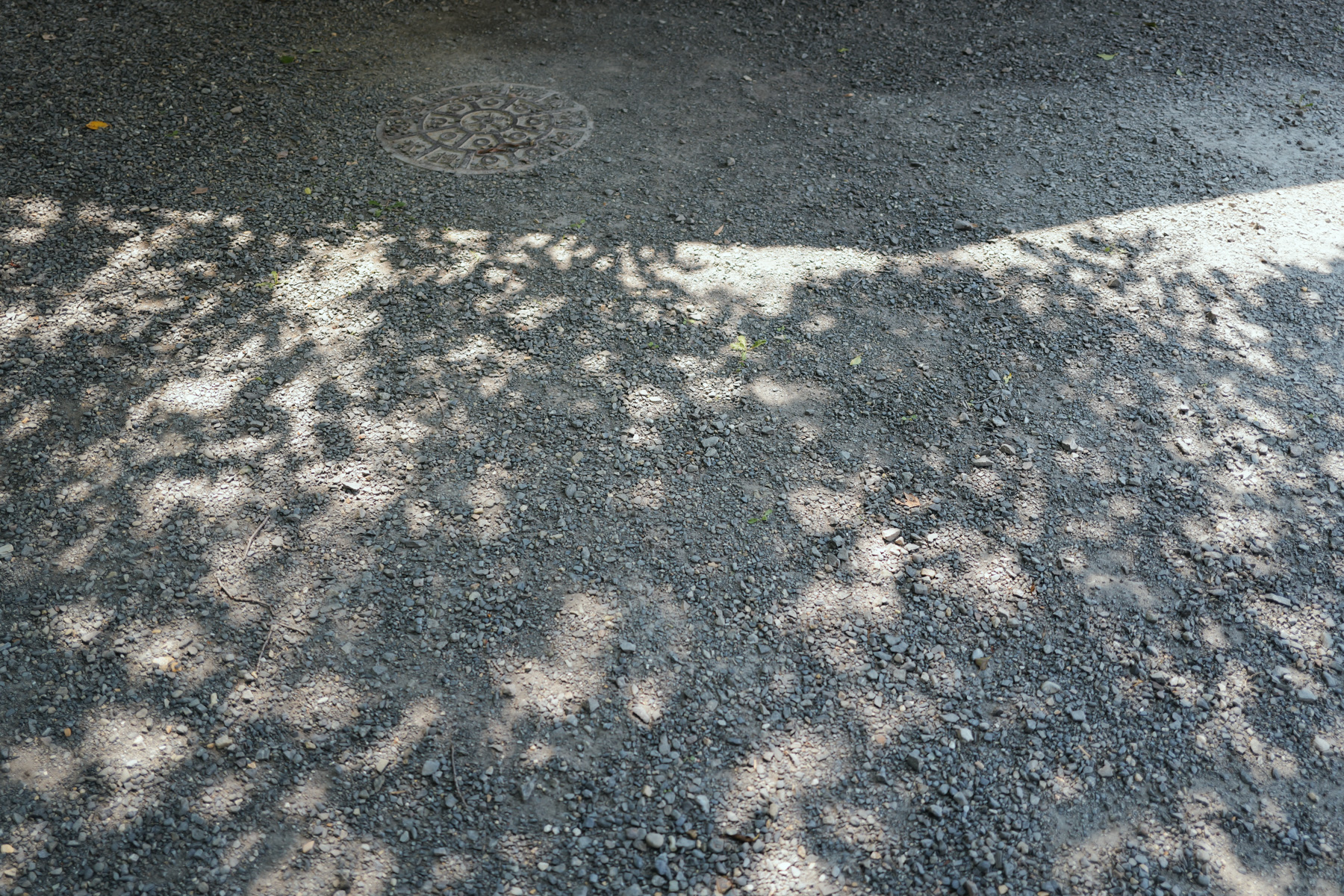

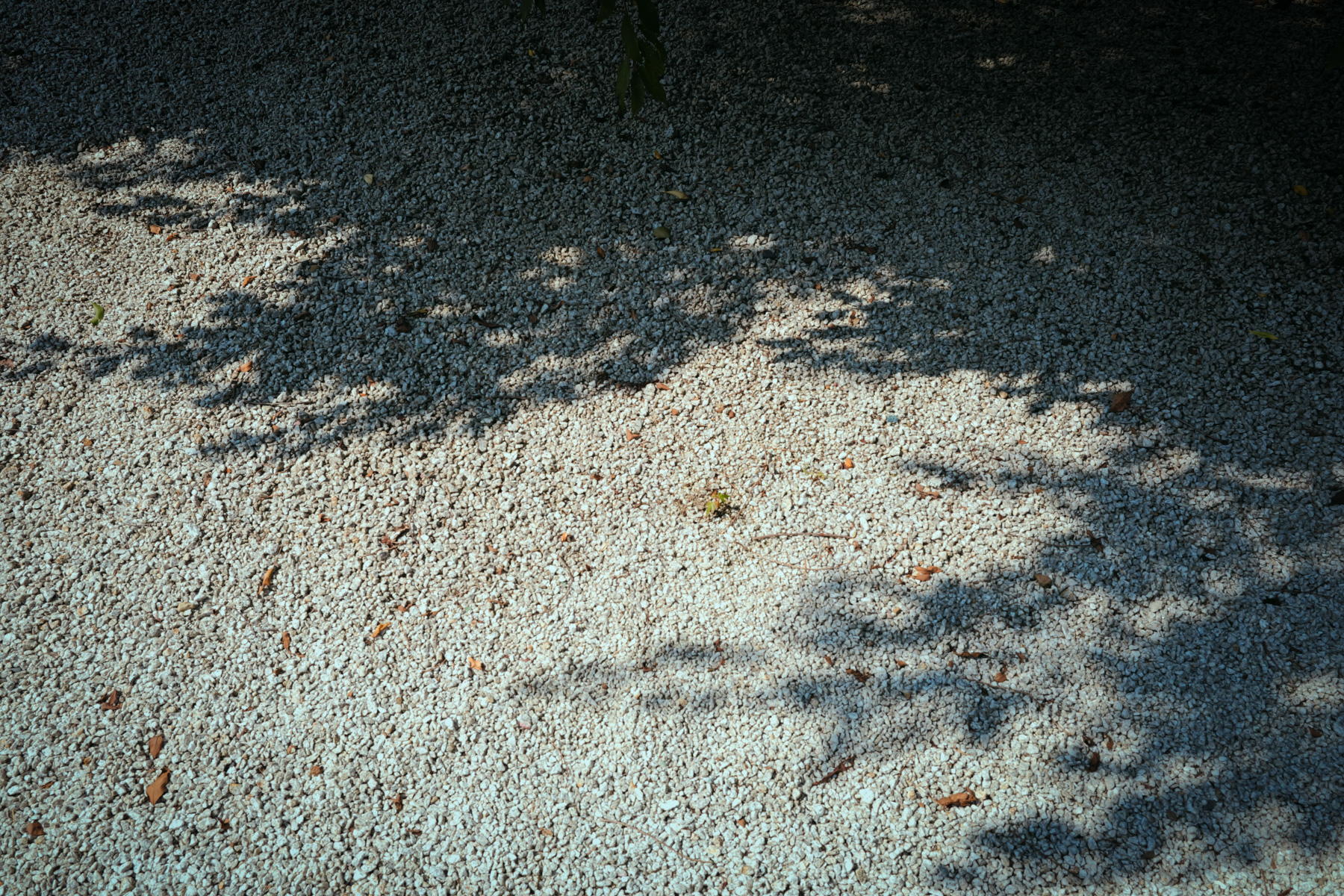
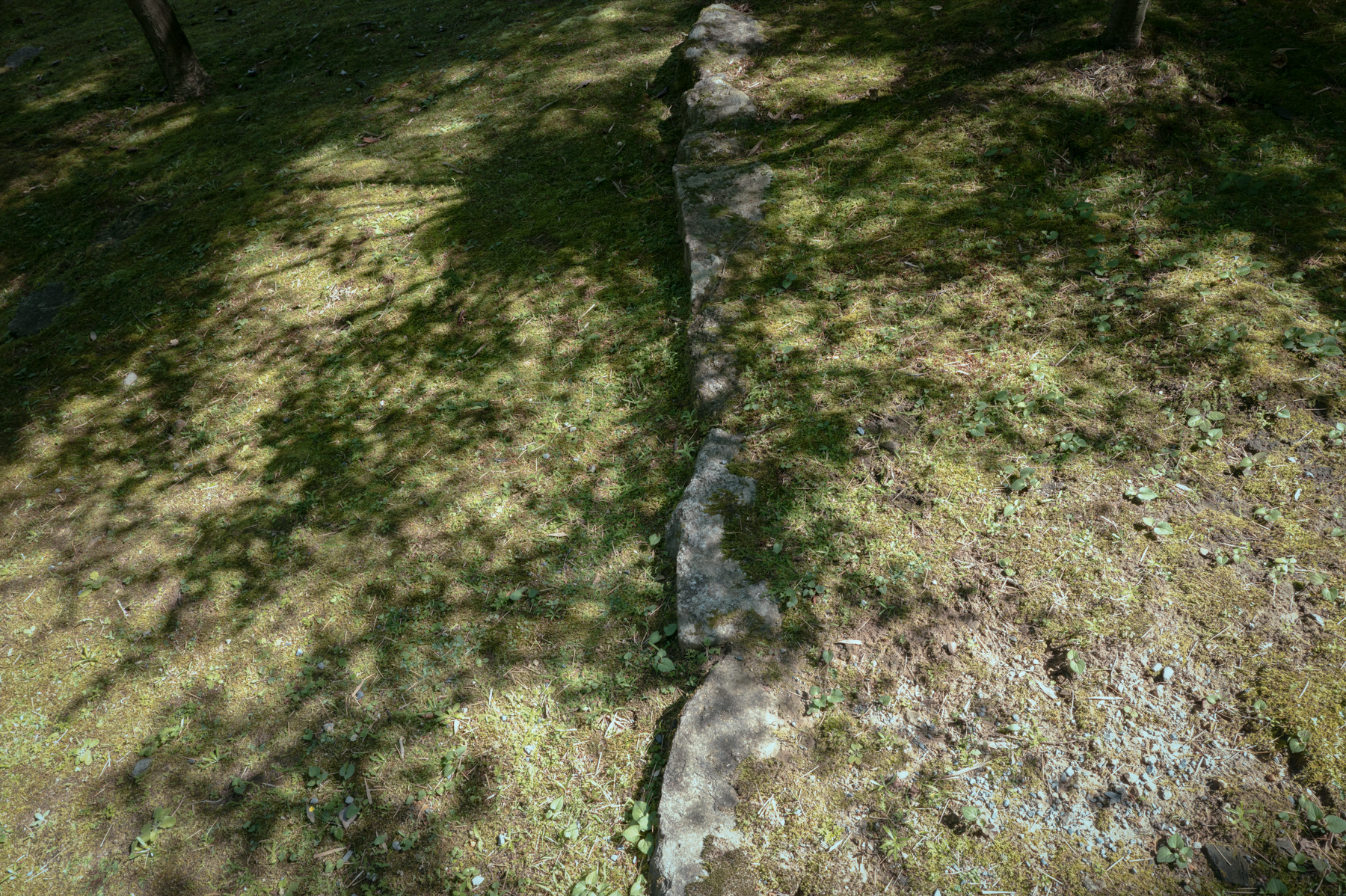

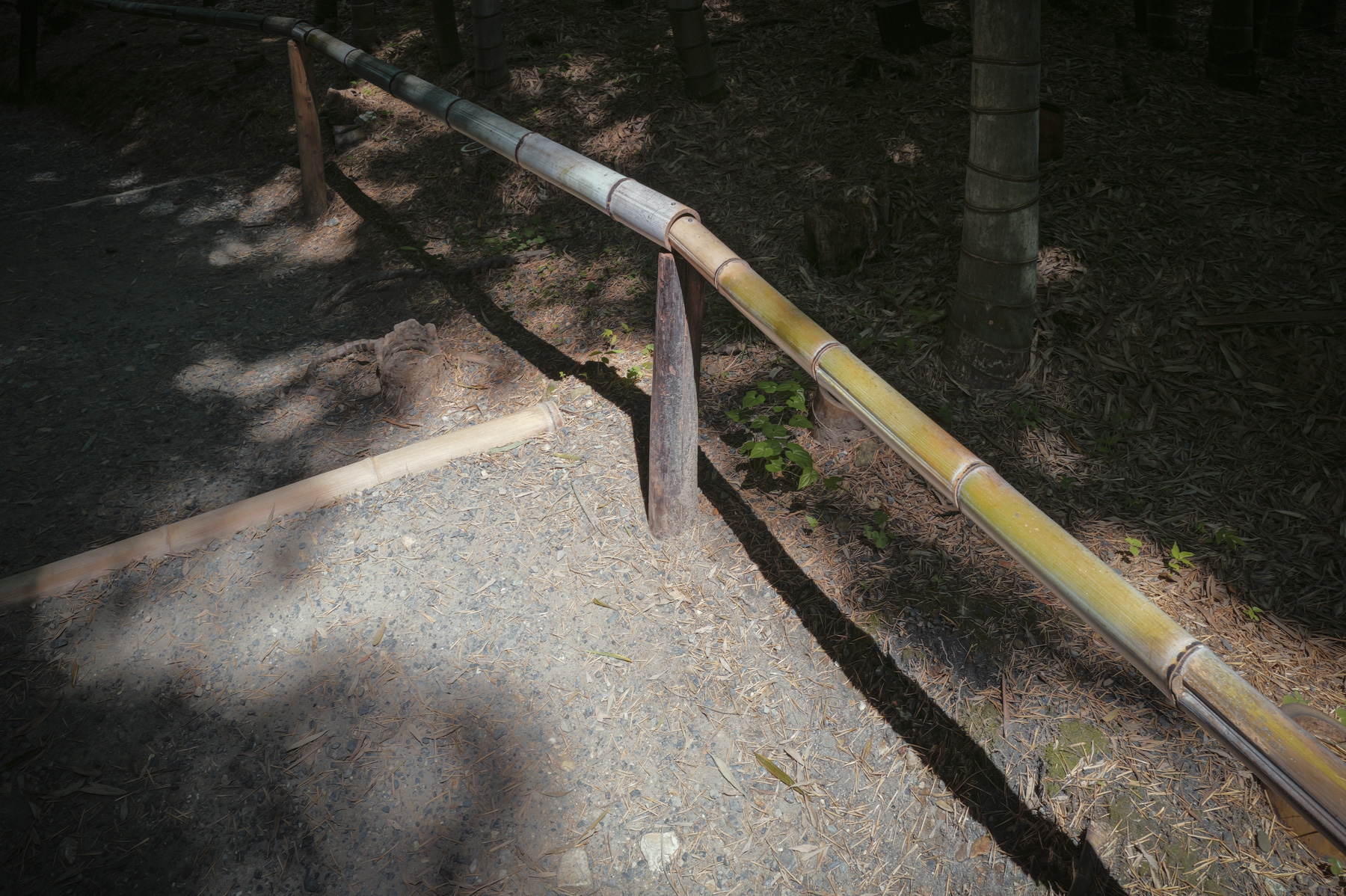
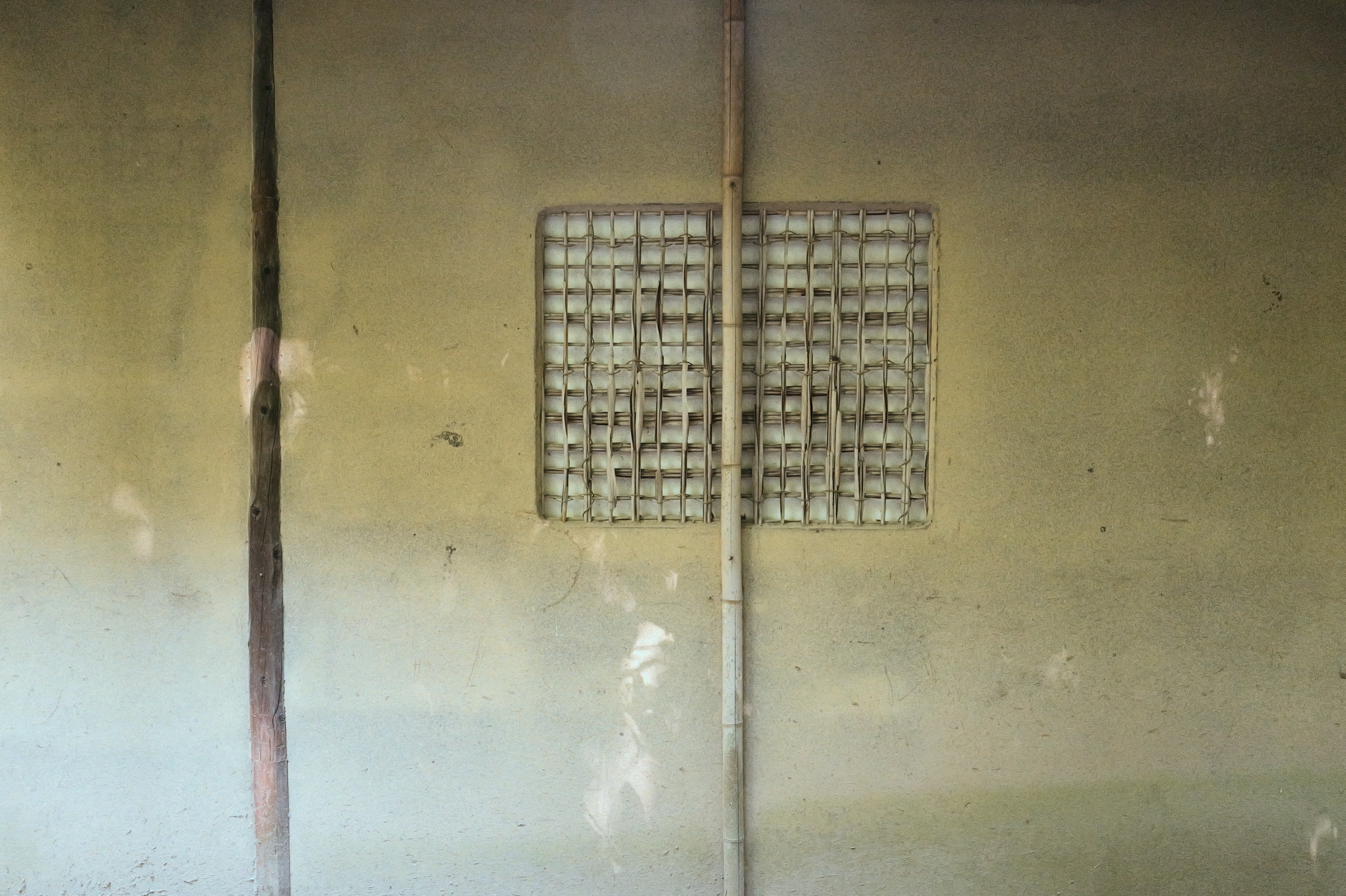
梅雨明けの南風「白南風(しろはえ)」が吹く日、高台寺を訪れました。強い夏の陽光と爽やかな風が重なり、暑さの中にも気持ちのよい晴れやかさが感じられます。高台寺は1606年、豊臣秀吉の正室・北政所(ねね)が秀吉の慰霊のため創建した臨済宗の禅寺で、徳川家康の支援で伏見城の建物も移築され、壮麗な構えを誇ります。
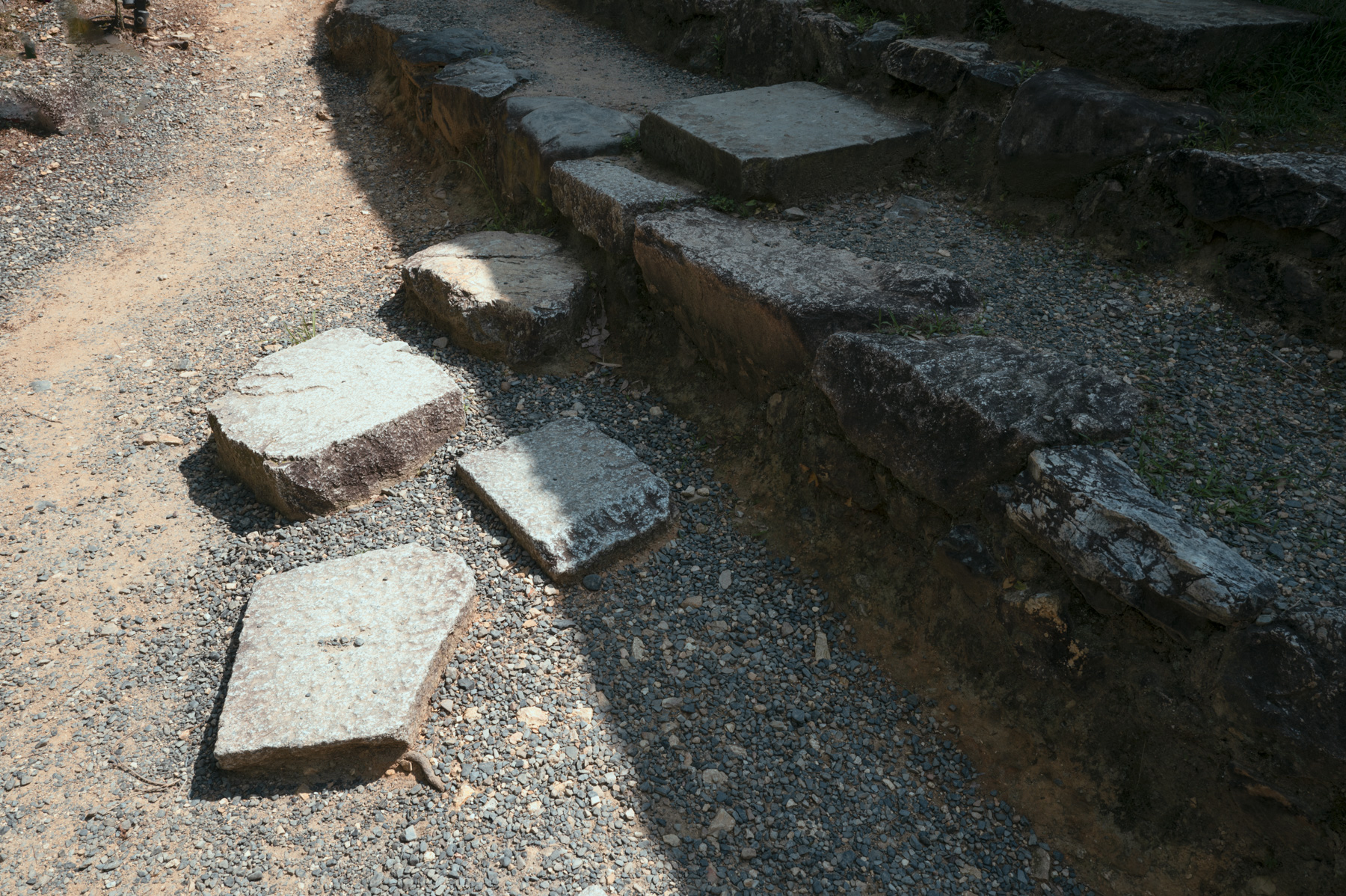
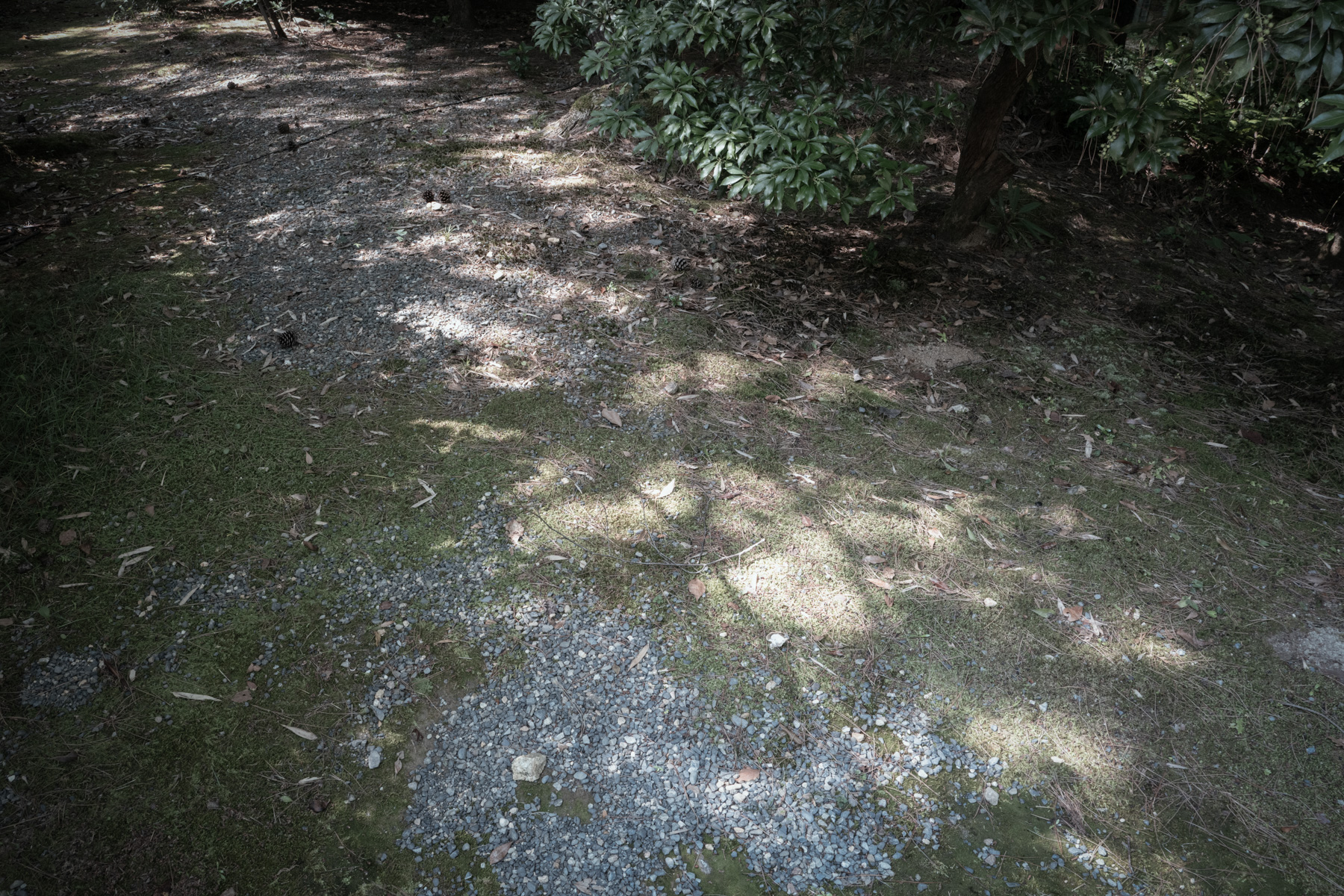
夏の庭園では、濃い緑の青楓や竹林がひときわ目を引きます。池の水面に映る木々の影、苔むした石組、茶室の周りにこぼれる木漏れ日などが、見た目にも涼しげな風情を演出しており、まさに白南風が似合う場です。
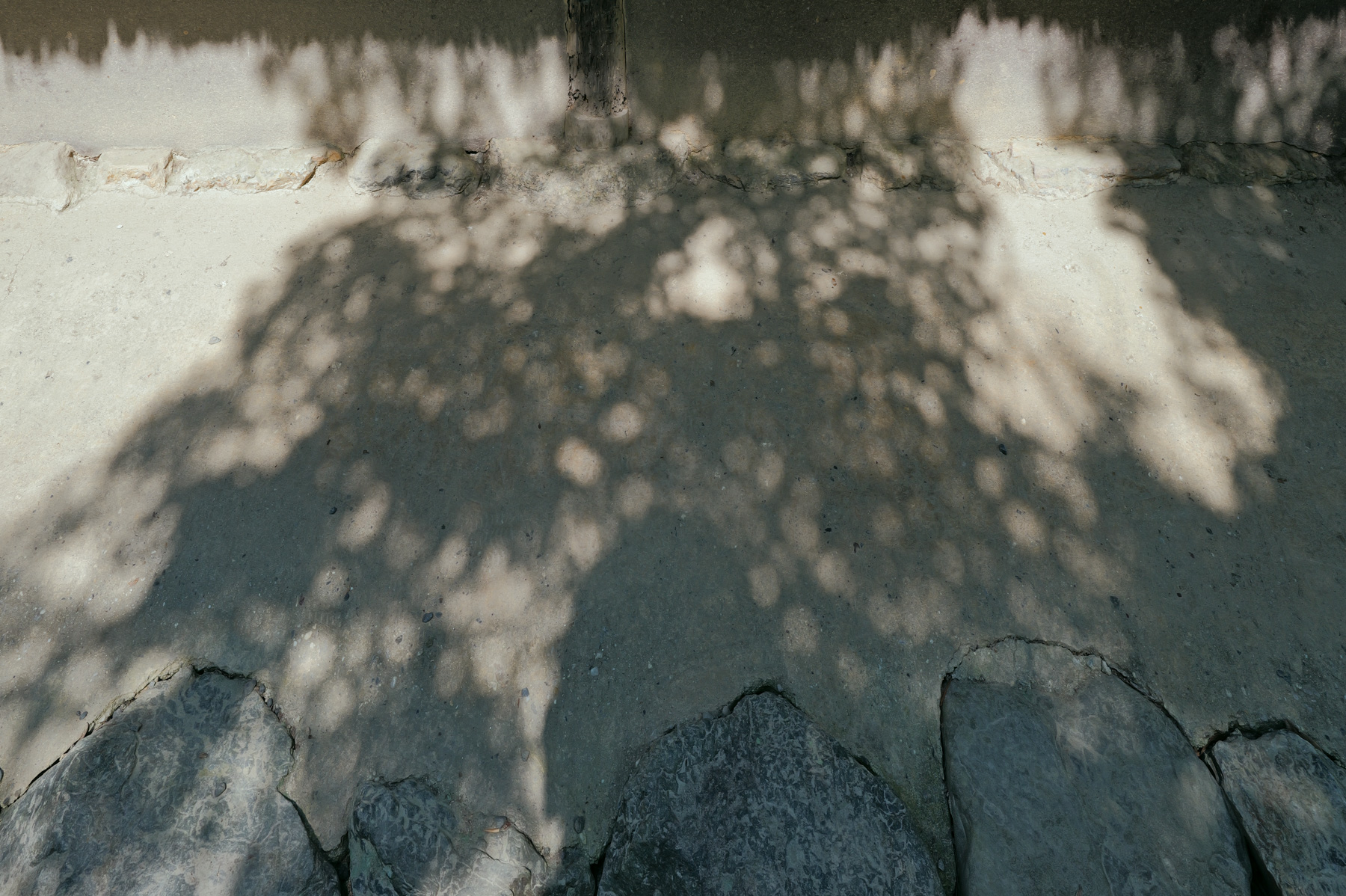
白南風に揺れる木々の影が、壁や石畳にかすかに揺れる様子は、夏の暑さの中でほんの少しの清涼感を運びます。そんな光と影のコントラストを追いかけ、庭を歩きながら、季節の移ろいと自然の息遣いを肌で感じるひとときを過ごしました。
I visited Kodai-ji Temple on a day when shirohae — the fresh southerly wind that signals the end of the rainy season — was blowing through the city. With the strong summer sun and a cooling breeze arriving together, there was a brightness in the air that made the heat feel almost welcome. Founded in 1606 by Nene, the devoted wife of Toyotomi Hideyoshi, as a place of prayer for his spirit, Kodai-ji is a Rinzai Zen temple of considerable grandeur — its structures include buildings relocated from Fushimi Castle with the support of Tokugawa Ieyasu. In the summer garden, the deep green of the Japanese maples and bamboo groves draws the eye at every turn. The reflection of trees on the still surface of the pond, the moss-covered stone arrangements, the dappled light filtering through branches around the tea house — together they create a garden that looks and feels refreshingly cool, a place where shirokae seems entirely at home. The shadows of trees swaying in the summer wind fell faintly across the walls and stone-paved paths, carrying just the faintest trace of coolness into the heat of the day. I walked slowly through the garden, following the play of light and shadow, and found myself simply present — feeling the passage of the season and the quiet breath of nature on my skin.