

熊川宿 若狭 鯖街道
/ 北陸・新潟 Hokuriku・Niigata/ 福井
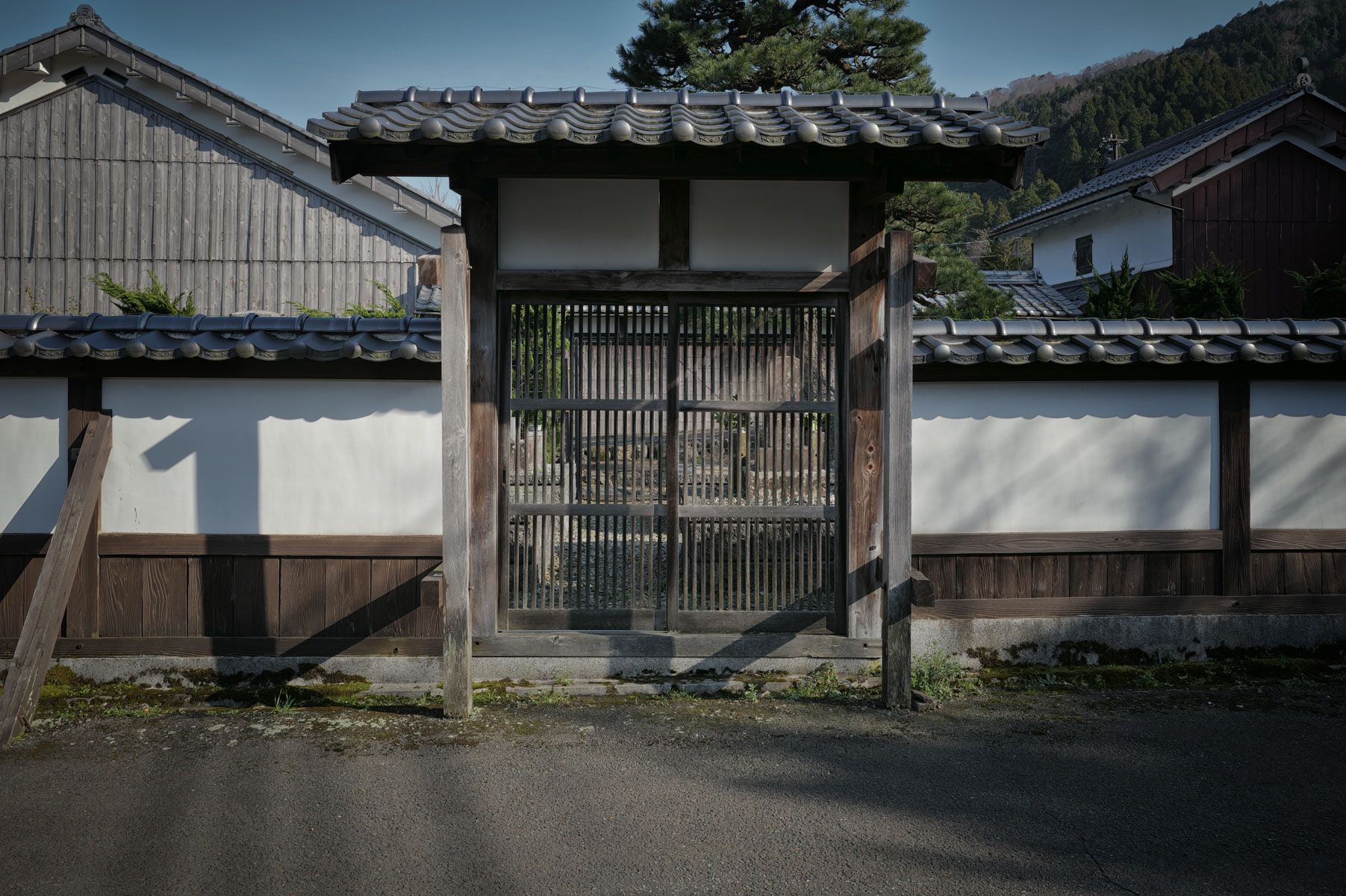
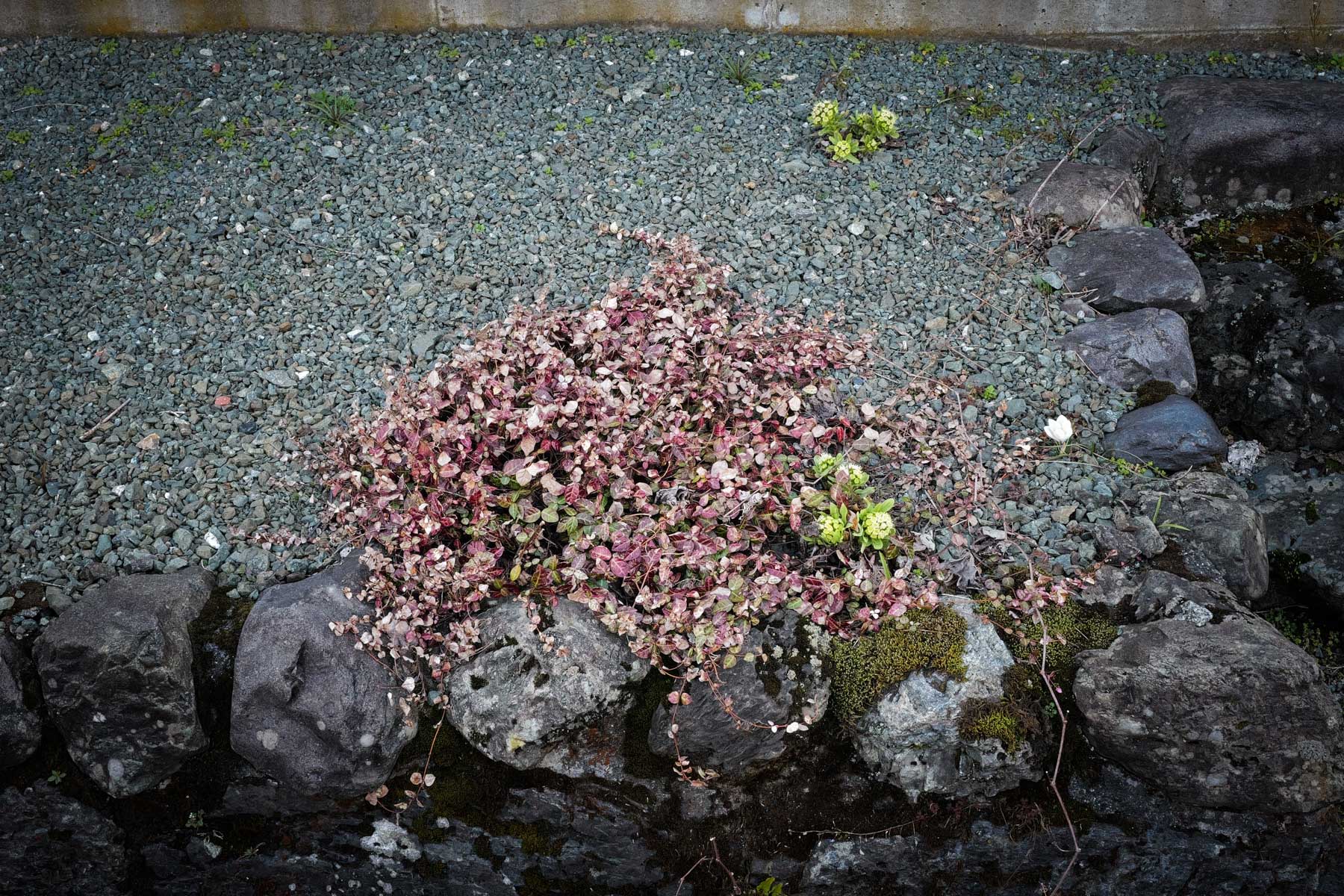
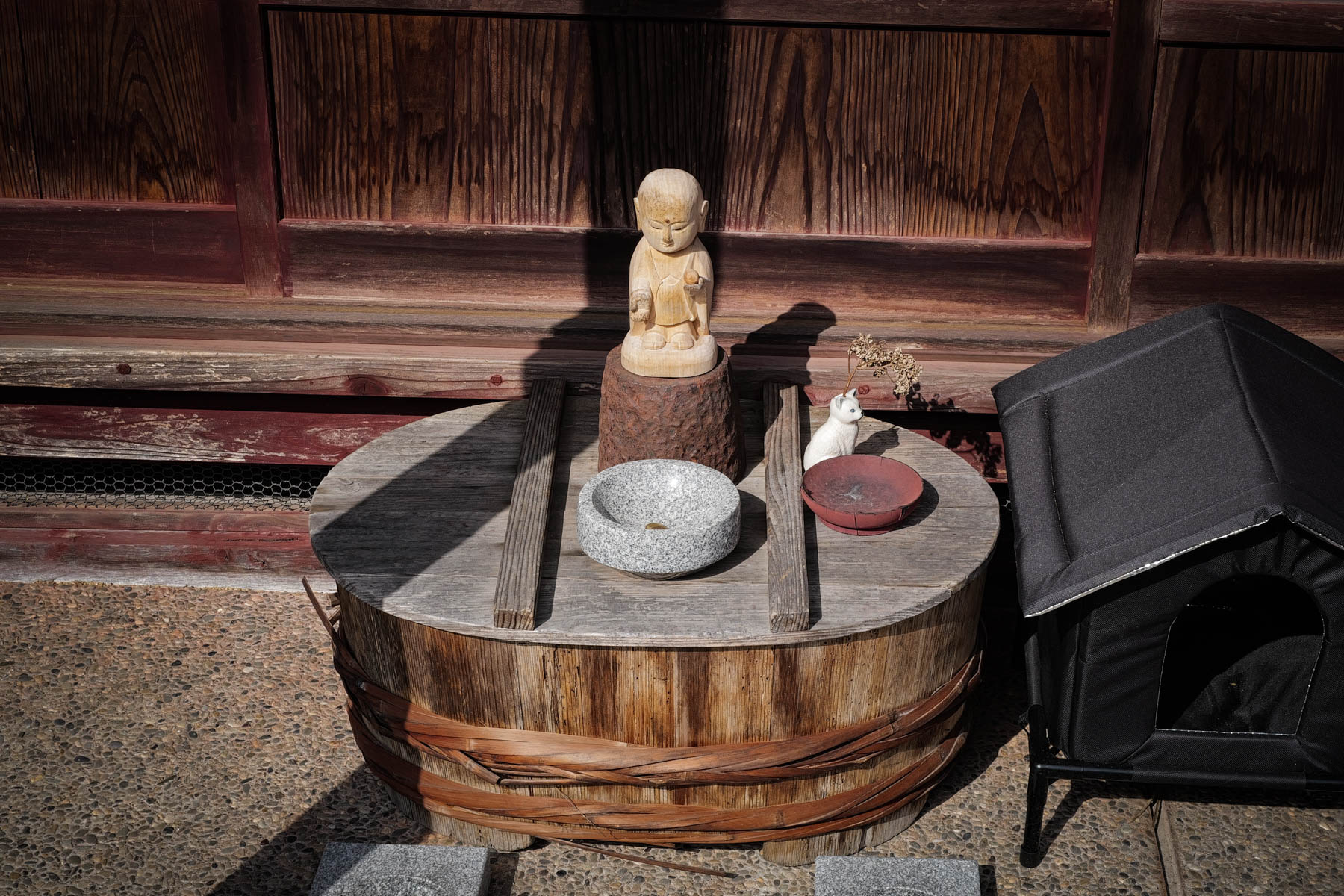
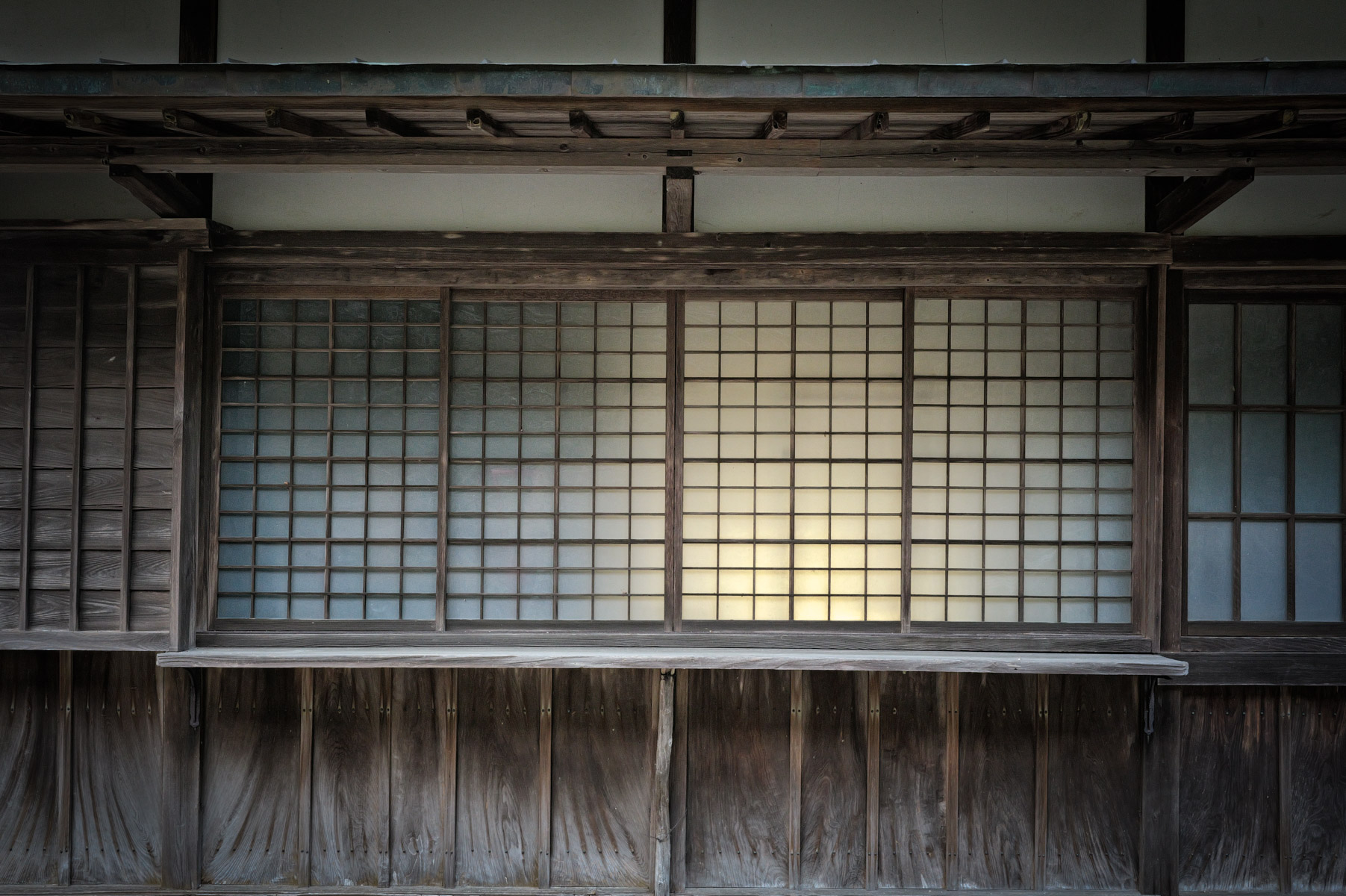
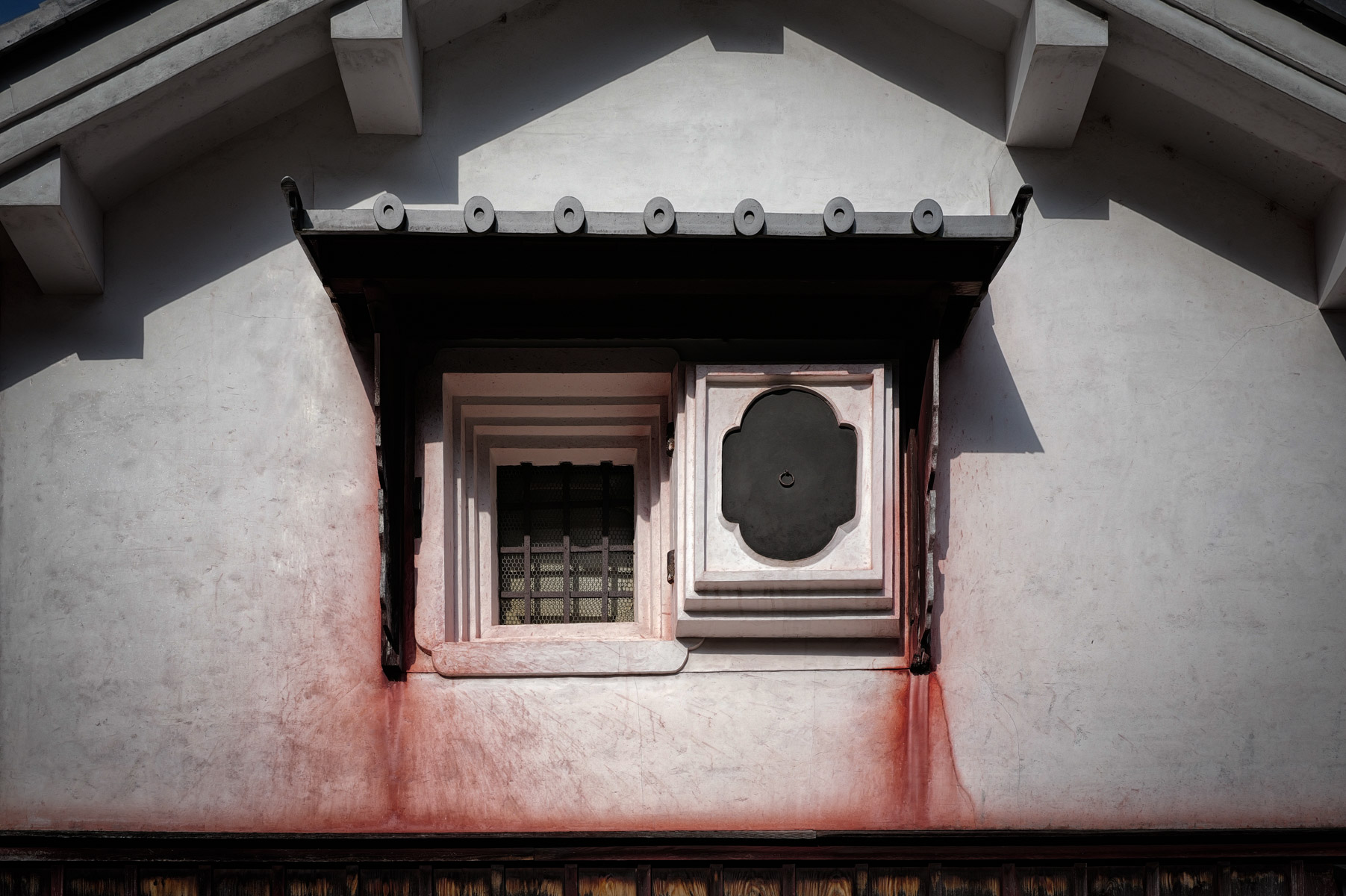
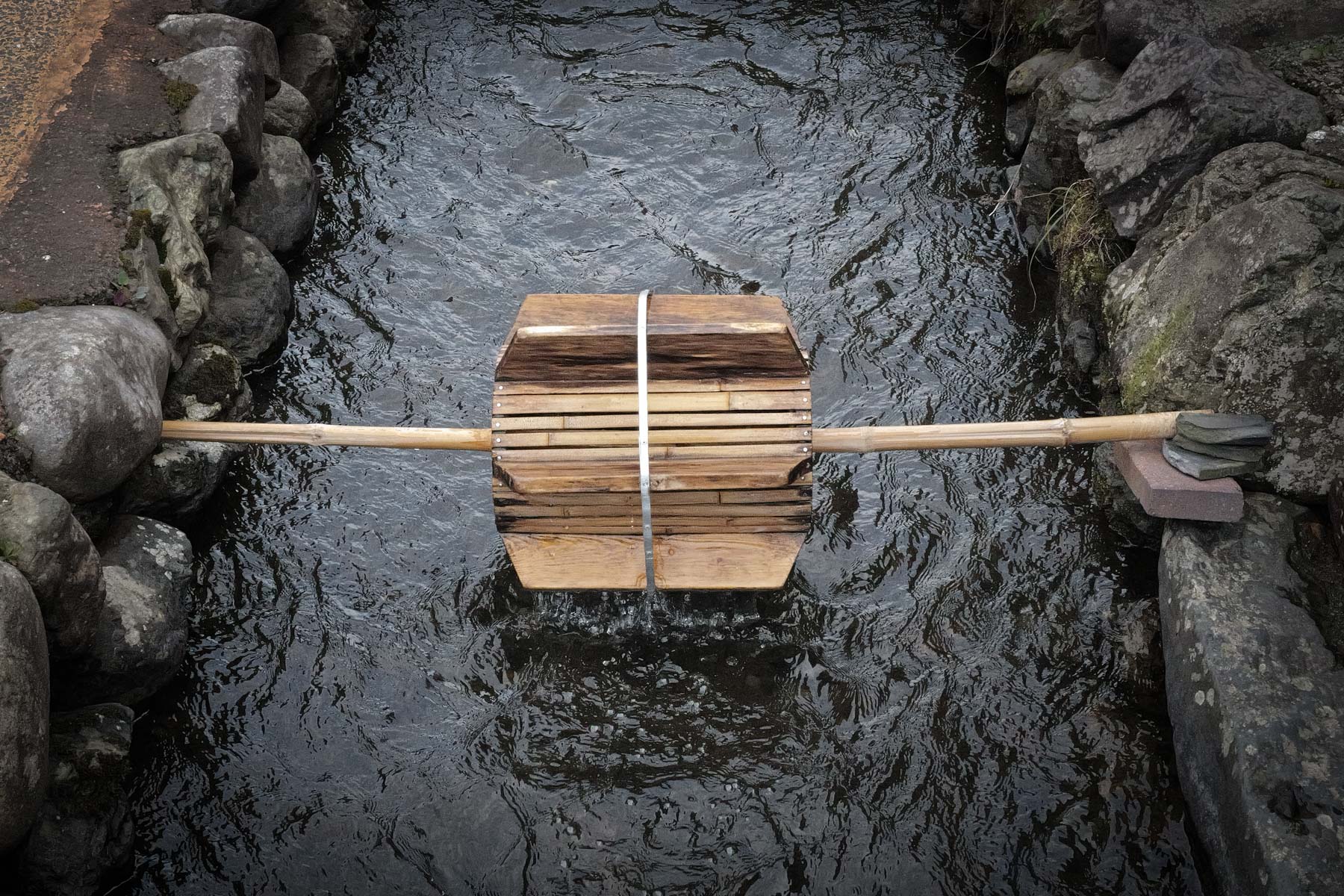
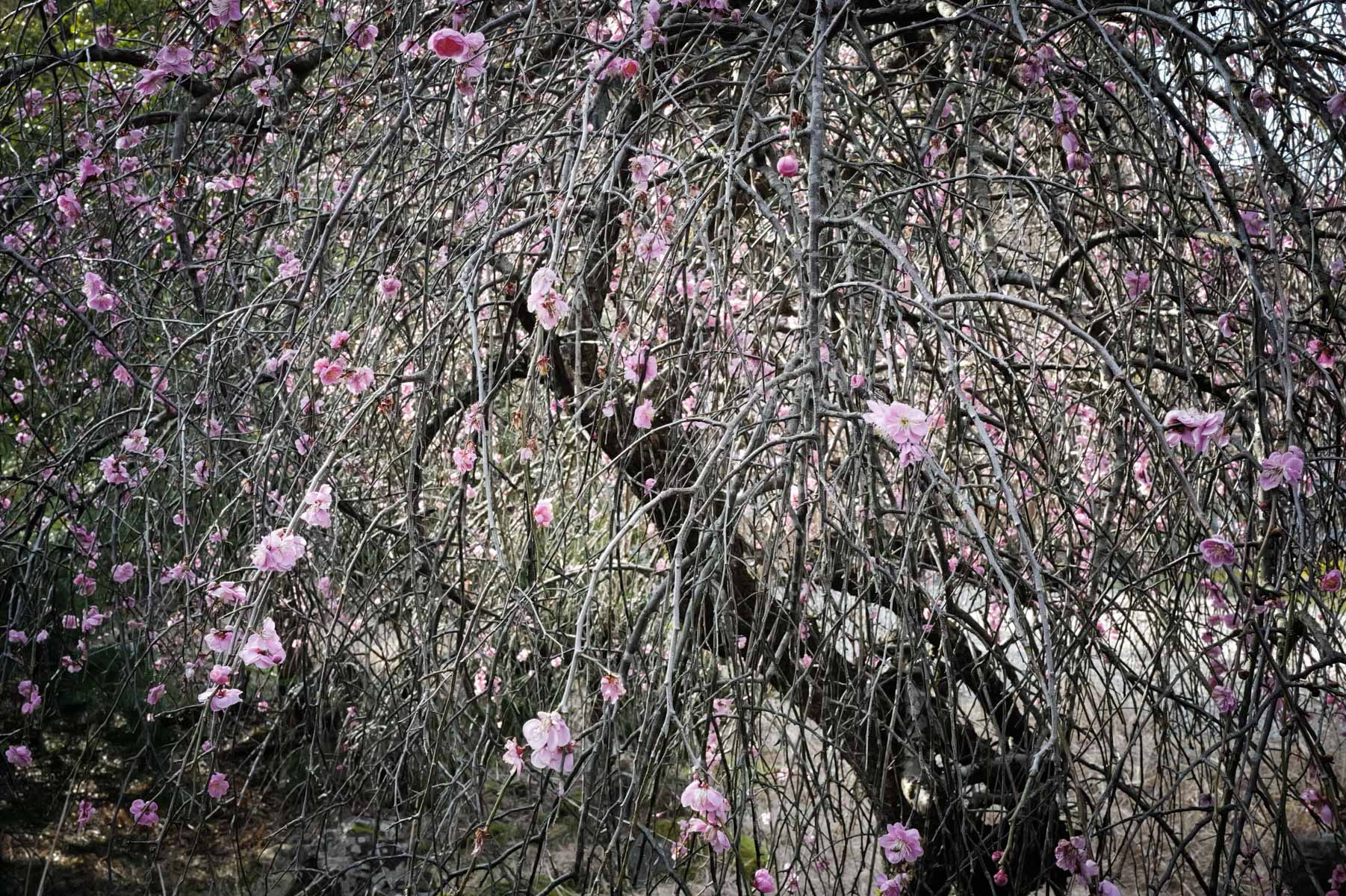
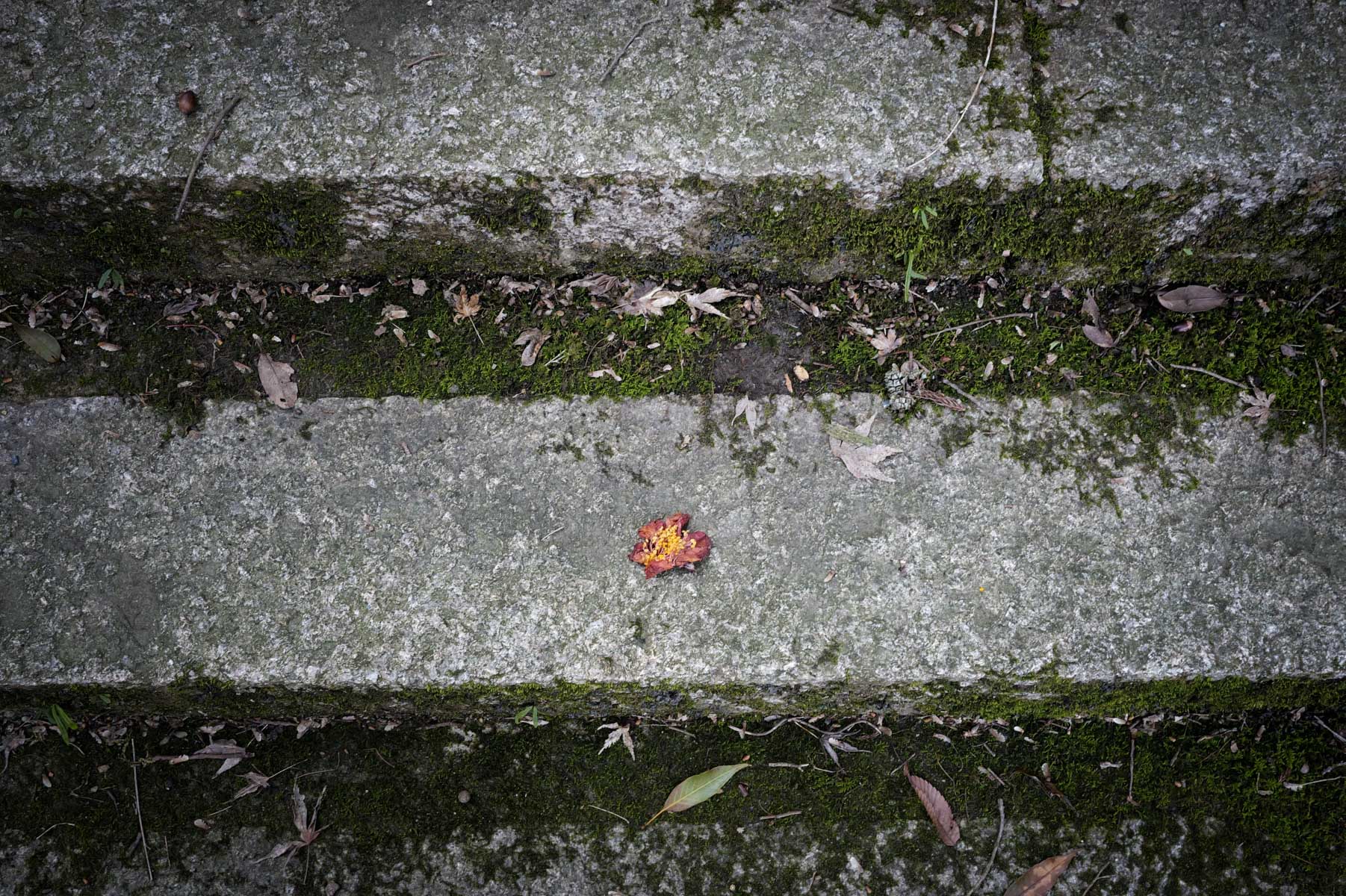
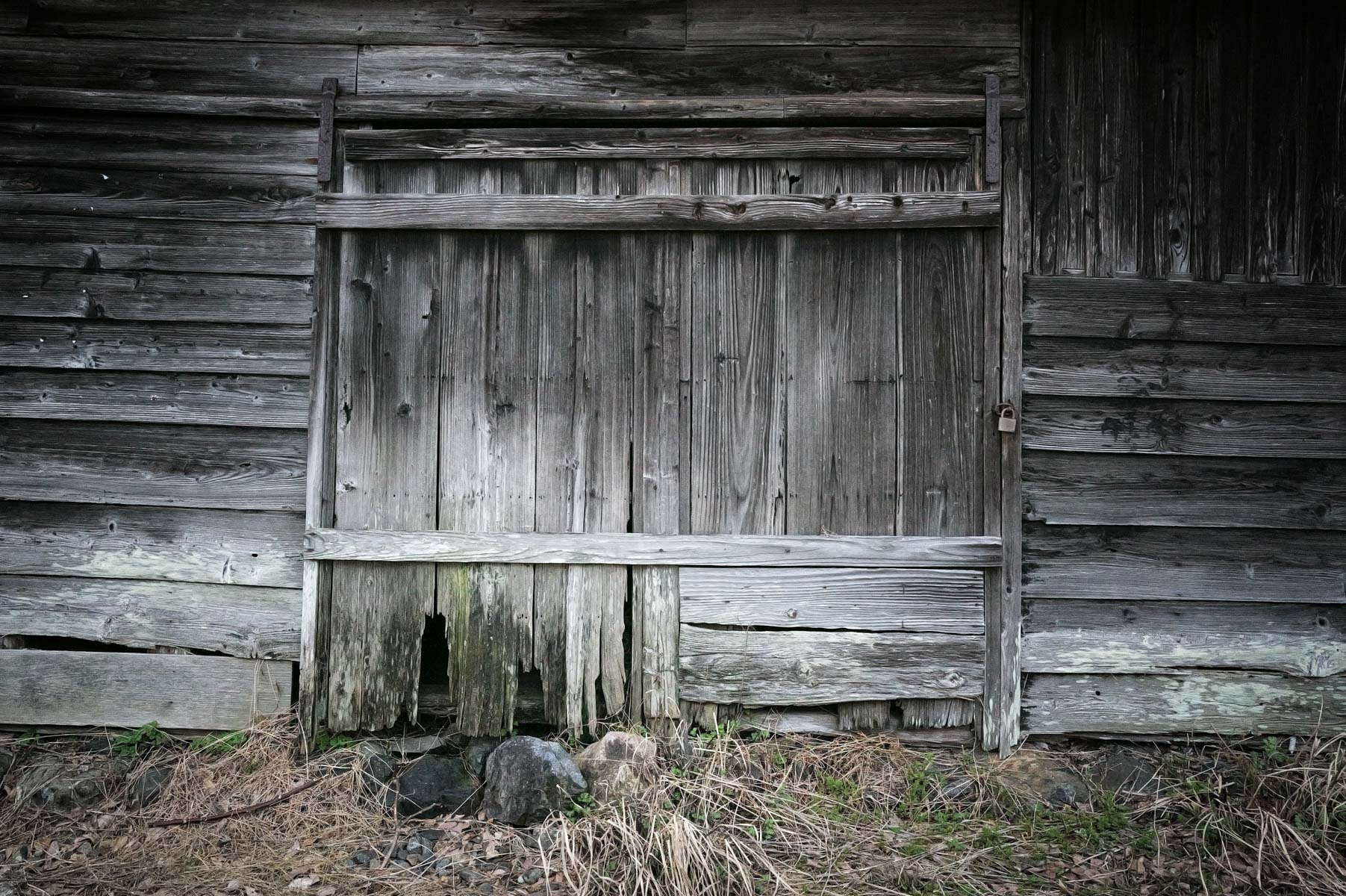
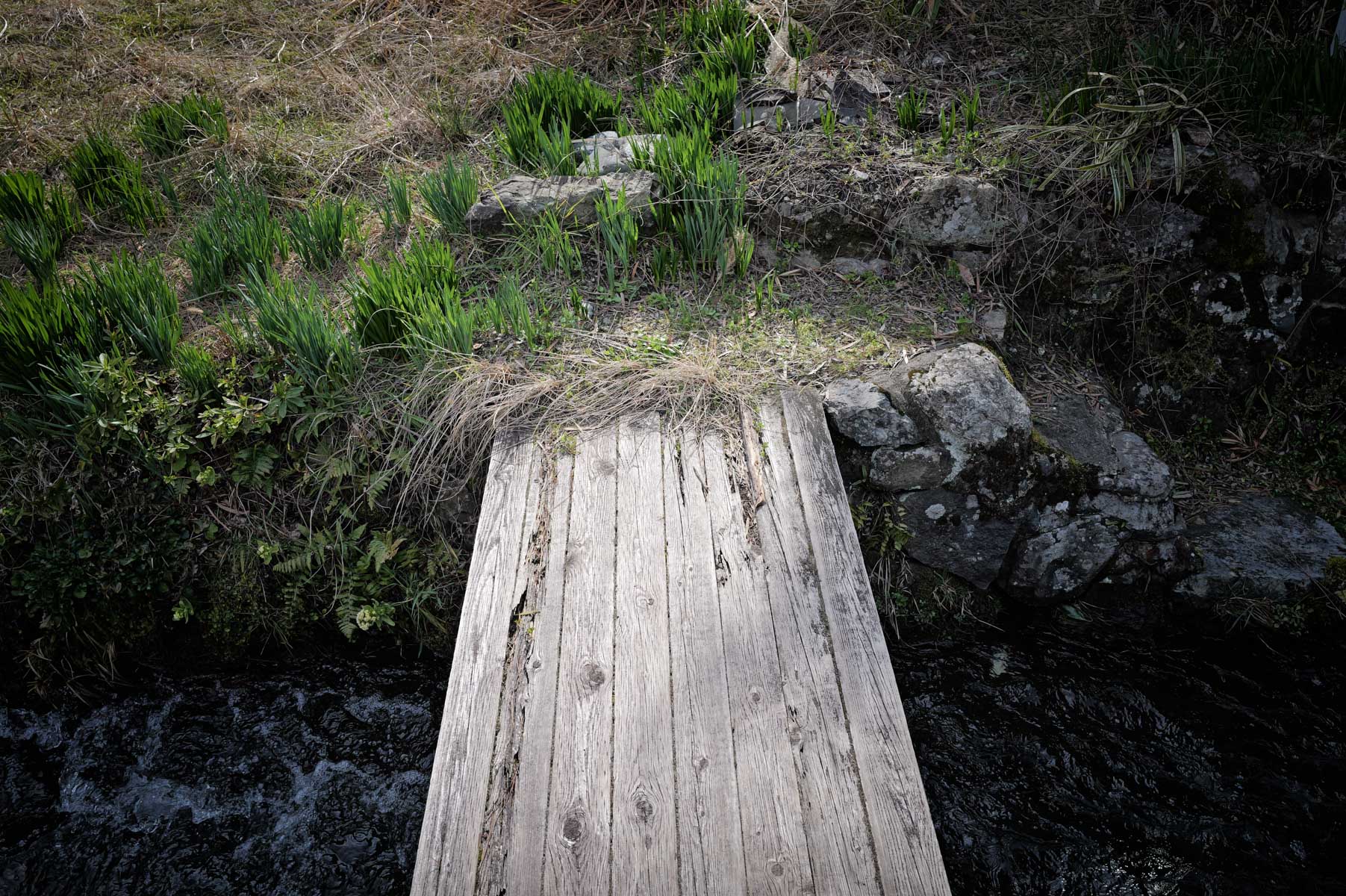
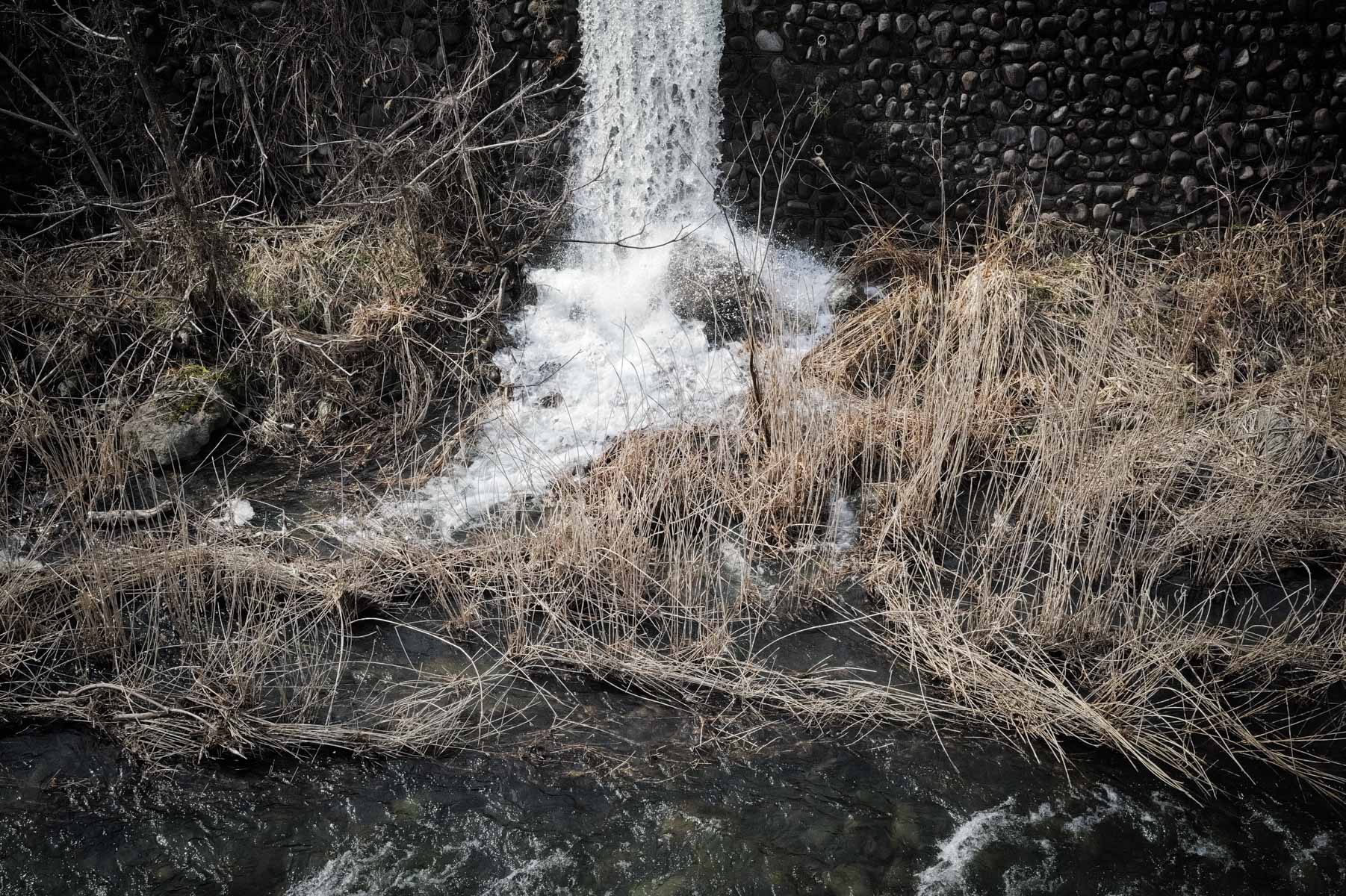
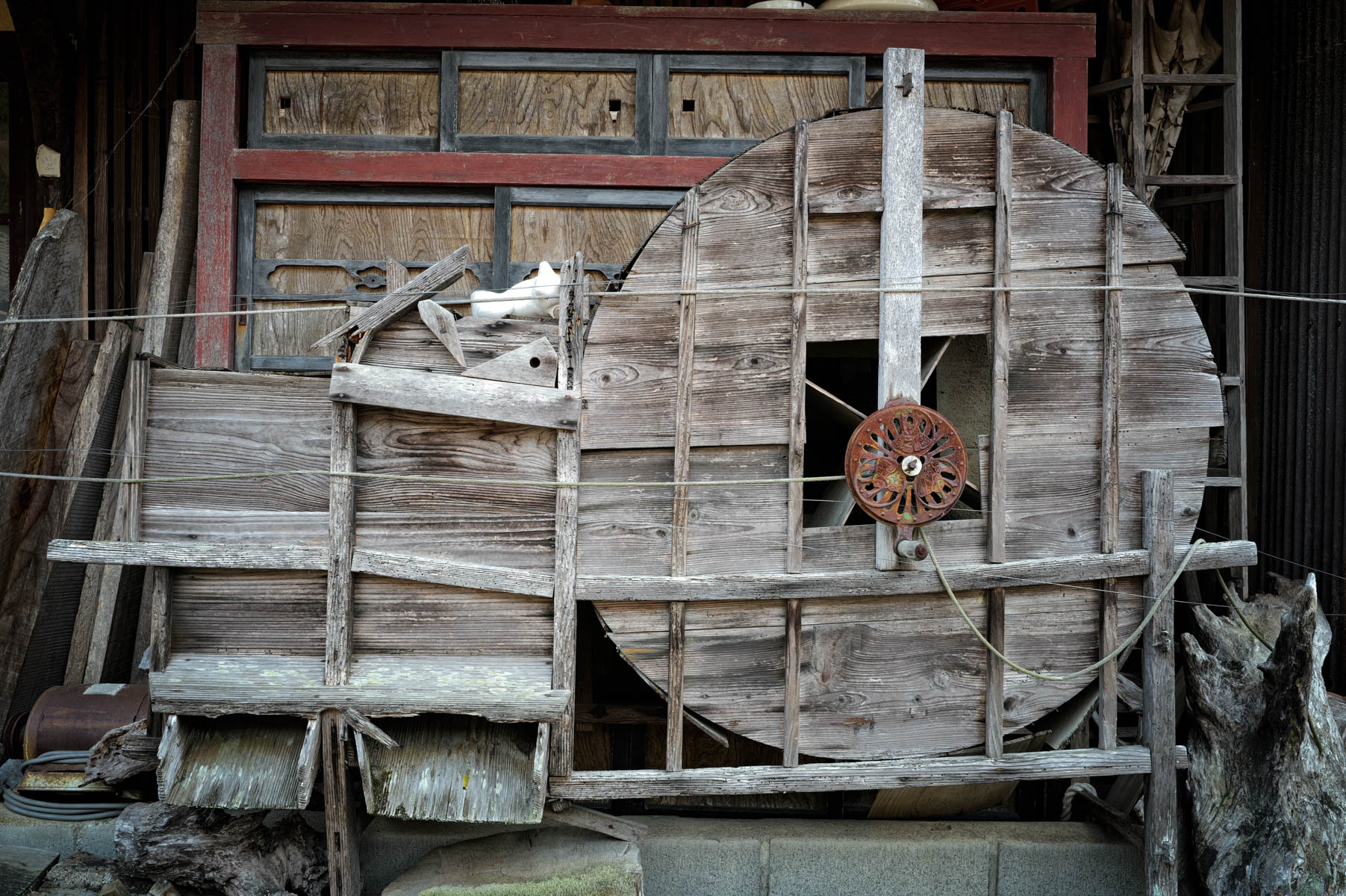
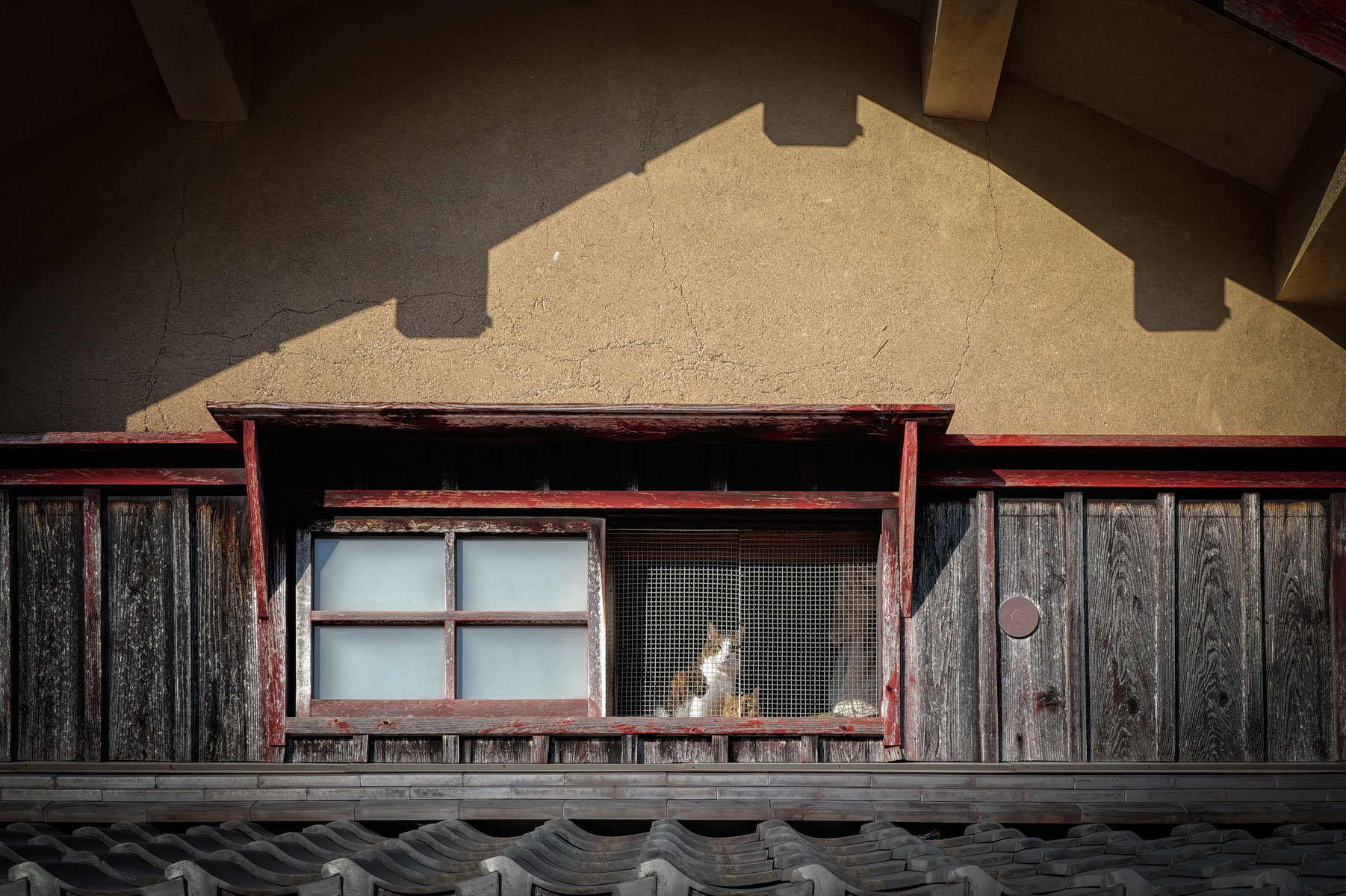
若狭湾、特に福井県西部の地は、今回が初めての訪問となった。かねてより、昔の人々が往来した街道に興味を持ってきたが、日本海と京都を結ぶこの道にはまだ足を踏み入れたことがなかった。若狭の旅の最初の訪問地として、鯖街道の宿場町・熊川宿を選んだ。
熊川宿は、1589年に豊臣秀吉の家臣・浅野長政が整備した宿場町で、若狭街道随一の宿場として江戸時代を通じて栄えた。若狭の豊かな海産物——とりわけ鯖——を京へ運ぶ担い手たちが行き交い、いつしかこの道は「鯖街道」と呼ばれるようになった。「京は遠ても十八里」と言われたこの道を、荷を背負った人々が幾度となく歩いたのだと思いながら、約一キロの町並みをゆっくりと歩いた。
訪れた日はまだ寒さが残っていた。しかし街道沿いの家々の白壁に差し込む光には、確かに春の気配があった。かつての賑わいが静かに沈んだ町に、季節の移ろいだけが柔らかく降り注いでいるようだった。
This journey to Wakasa Bay marked my first visit to the western part of Fukui Prefecture — a region I had long been curious about but never had the chance to explore. I have always been drawn to the old roads that once carried people, goods, and culture across the country. The route linking the Sea of Japan to Kyoto was one I had yet to walk. So when the opportunity came to travel through Wakasa, Kumagawa-juku felt like the natural place to begin. Established in 1589 by Asano Nagamasa, a senior retainer of Toyotomi Hideyoshi, Kumagawa-juku flourished throughout the Edo period as the most prominent post town along the Wakasa Highway. Fishermen and merchants carried the sea's bounty — mackerel above all — southward to the capital along this road, which came to be known as the Saba Kaido, the Mackerel Highway. Walking its preserved stretch of townhouses and whitewashed walls, I found myself imagining the countless people who had passed through before me, loaded with the weight of the sea on their backs. The day I visited, winter had not yet released its hold. But the light falling across the old streets carried the quiet warmth of early spring — a seasonal tenderness settling over a town whose bustle had long since faded into stillness.