

chlo・ro・phyl
/ landscape
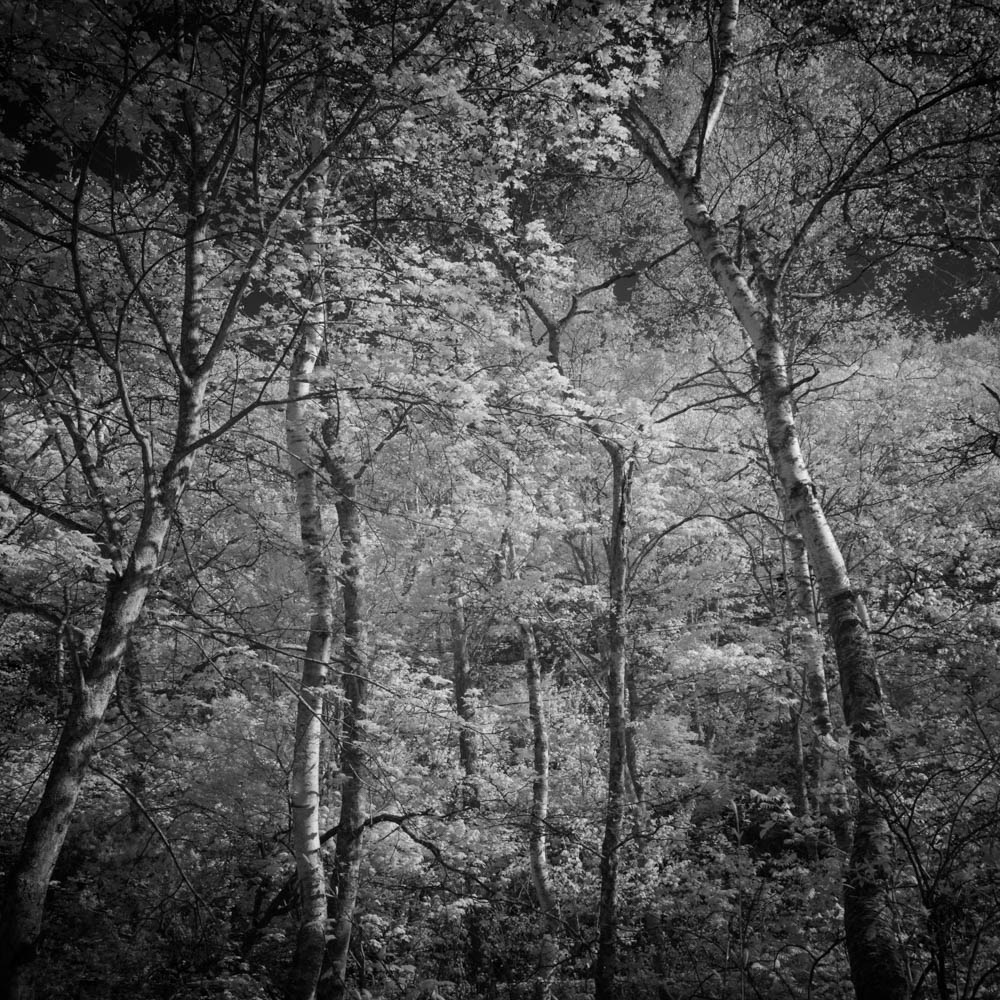
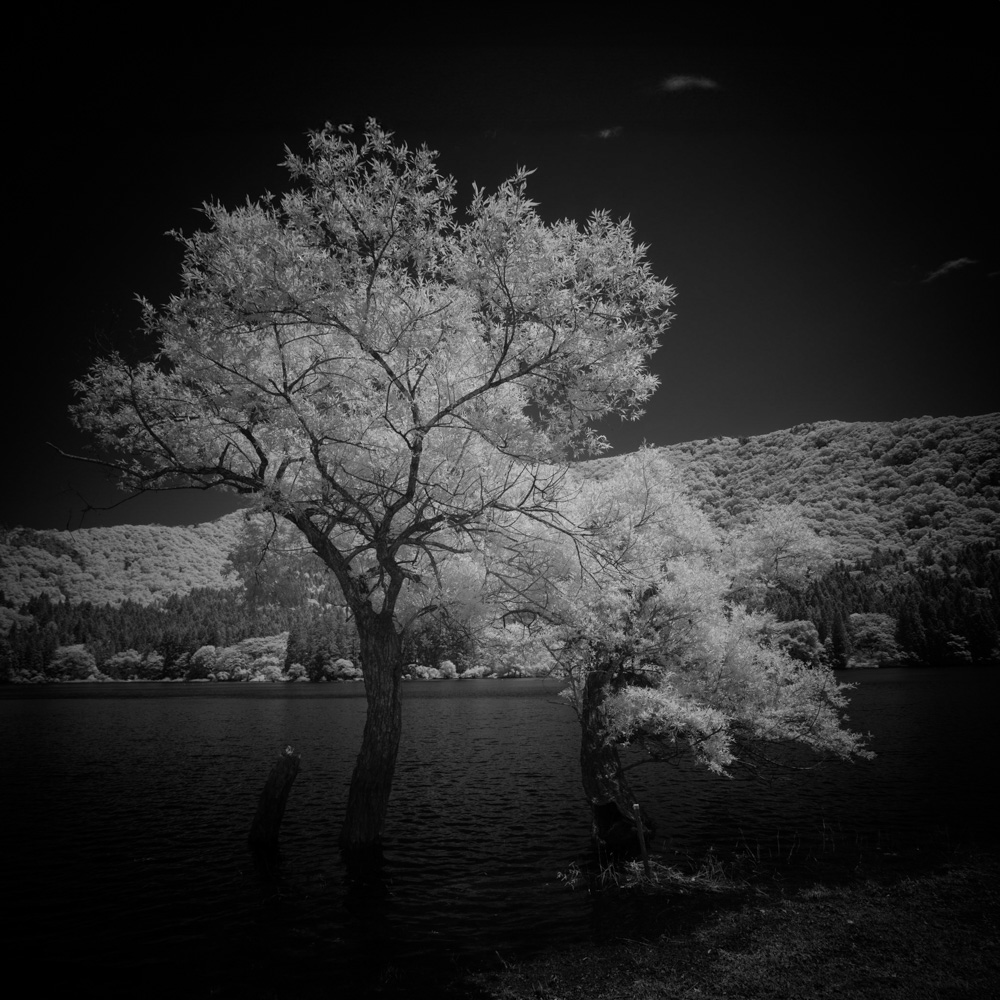
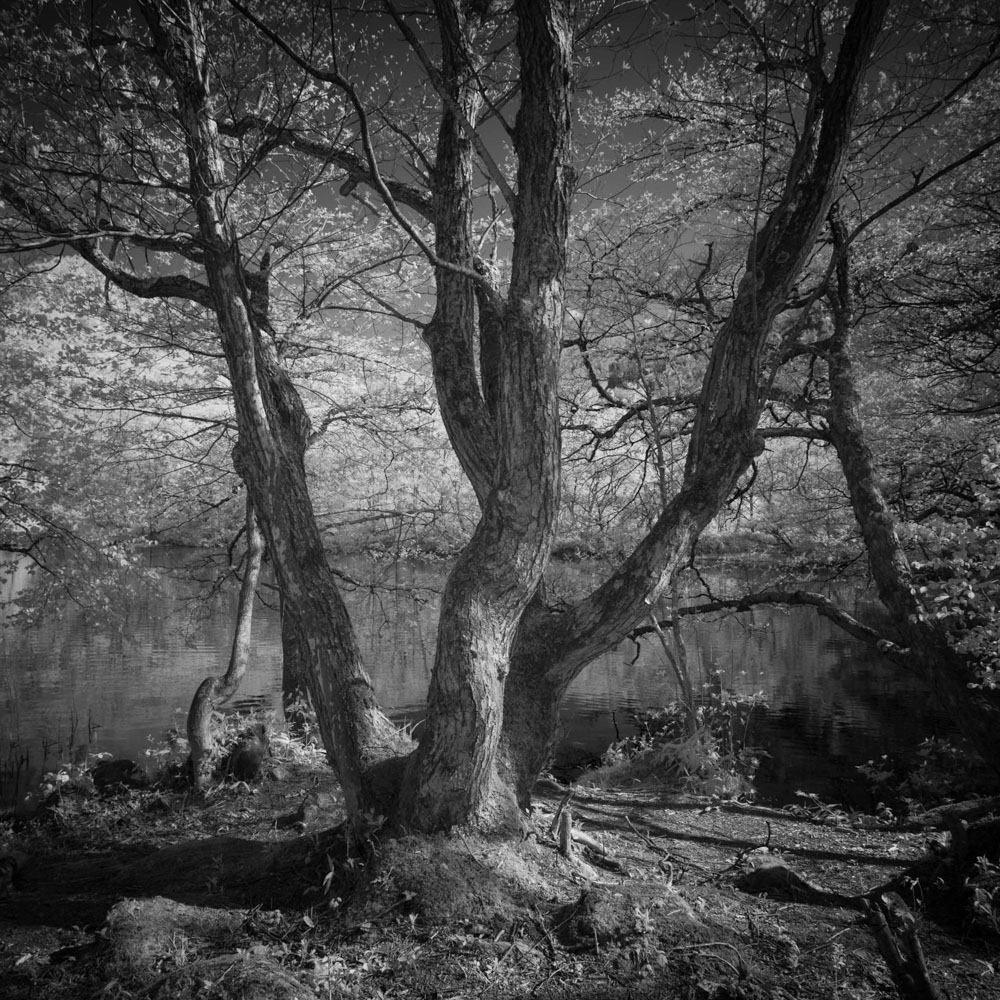
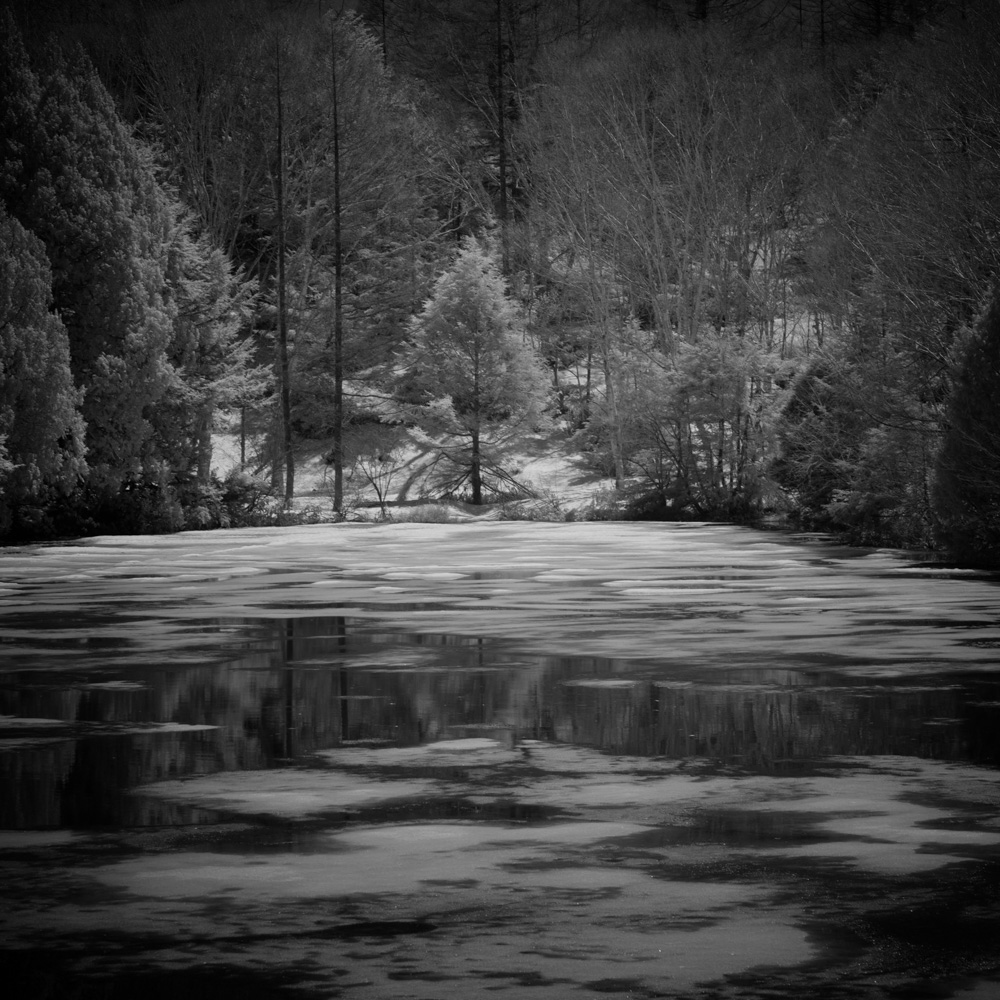
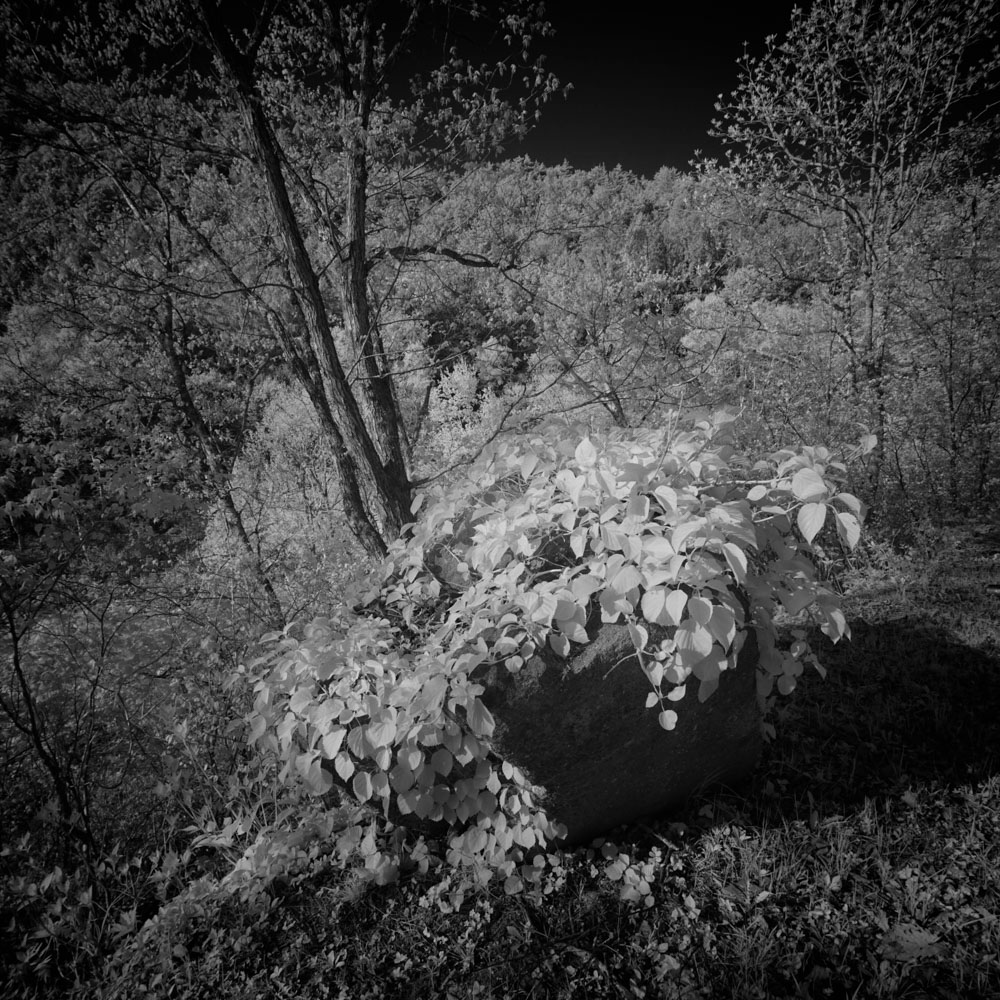
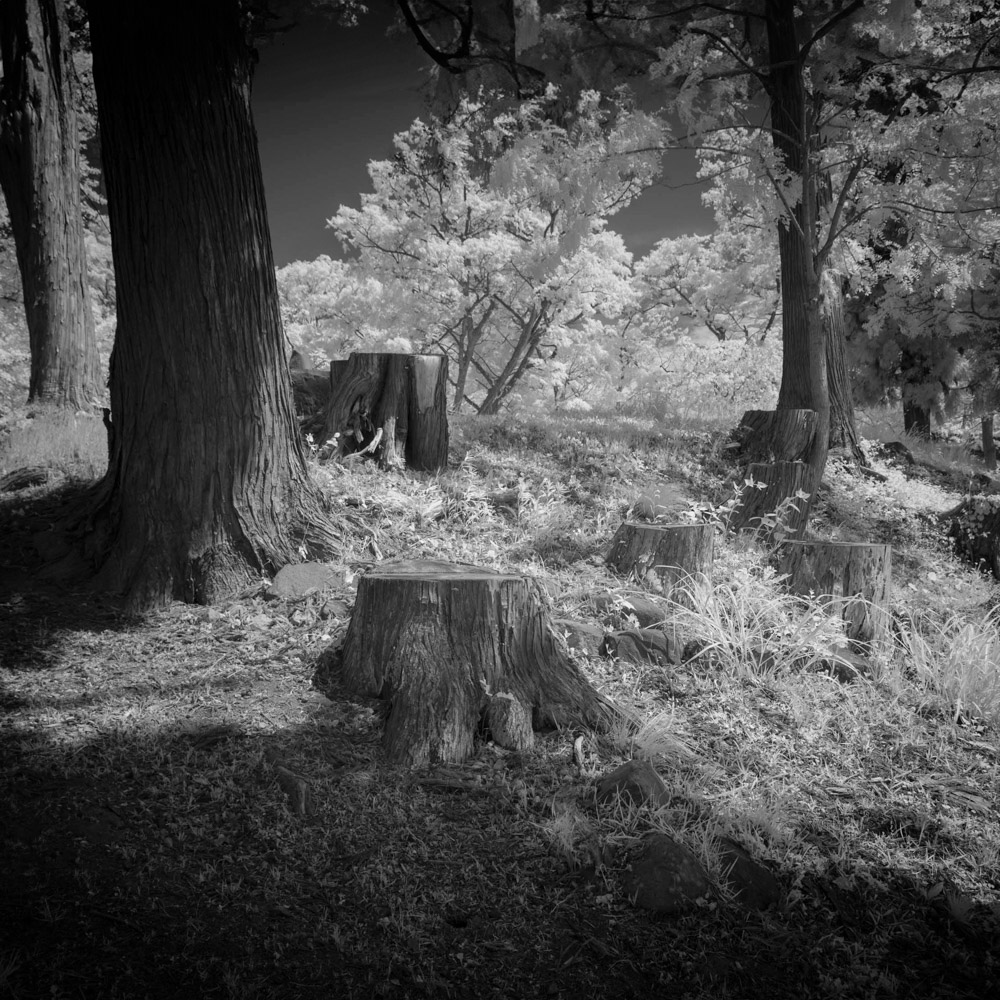
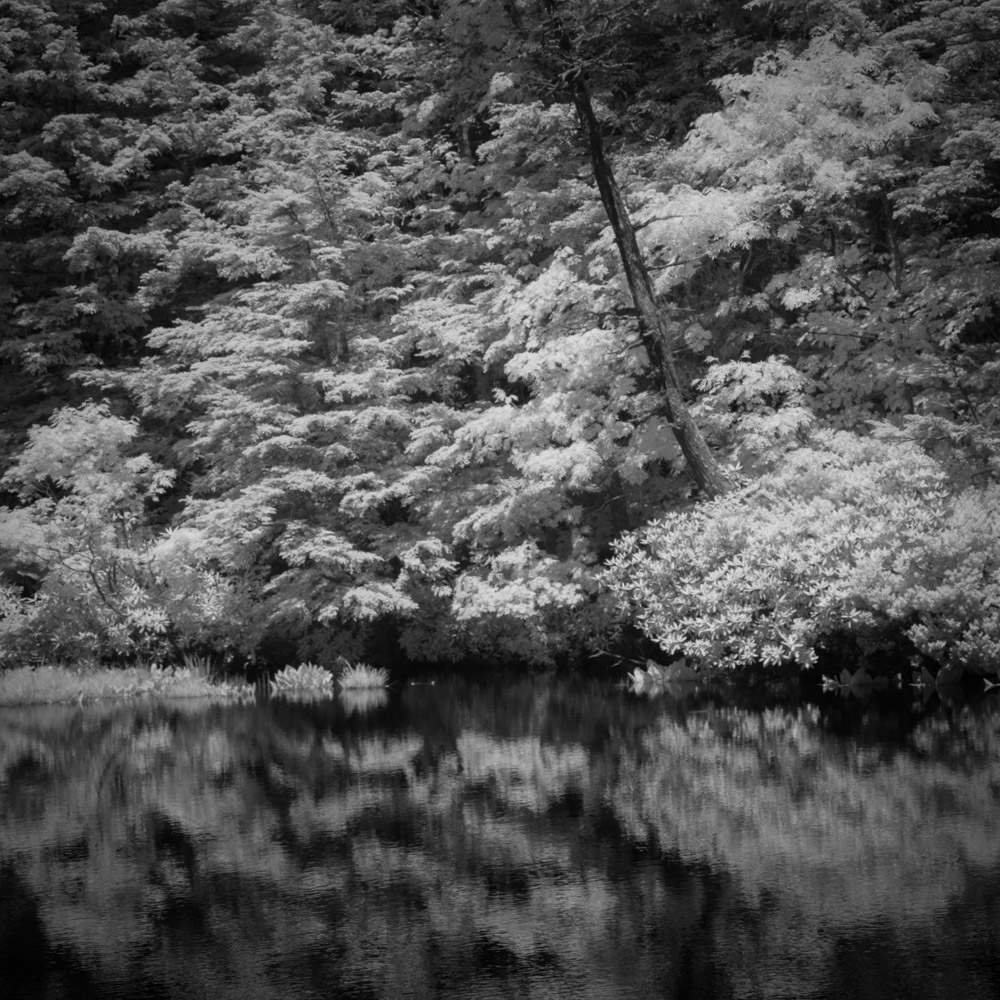
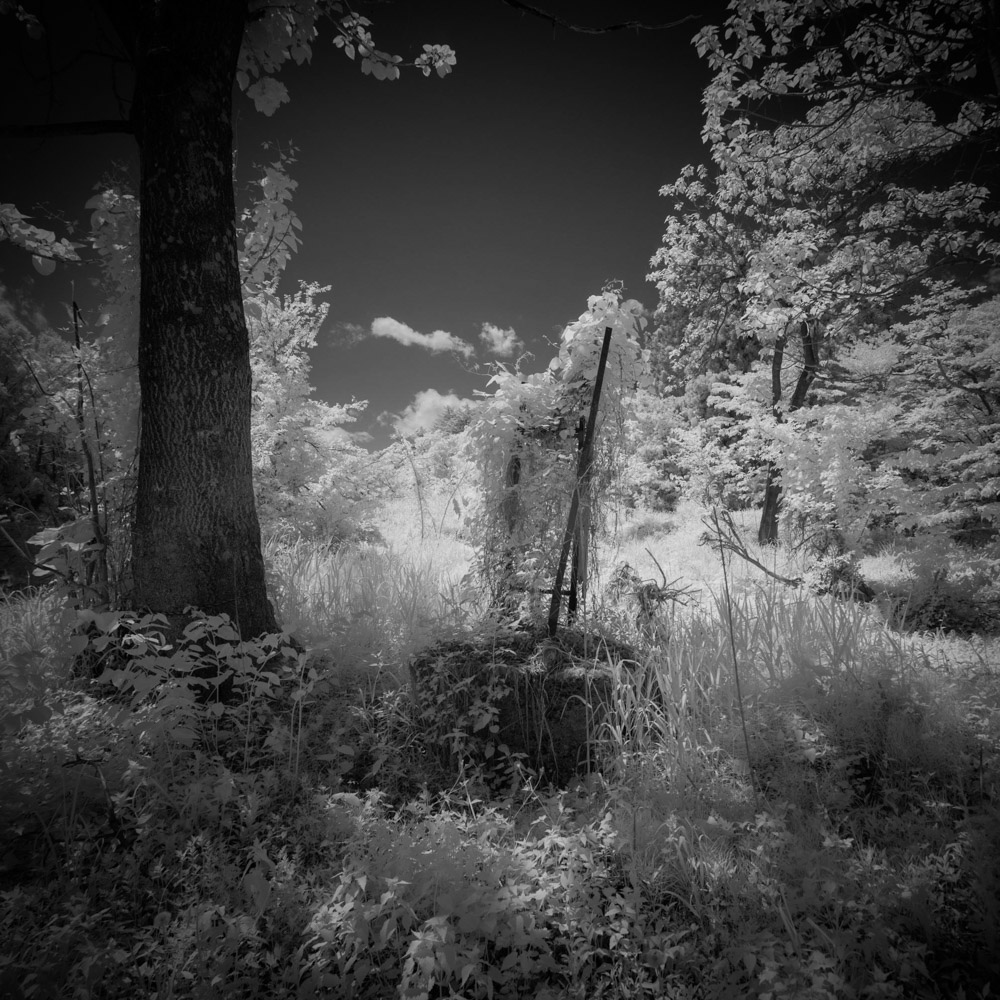
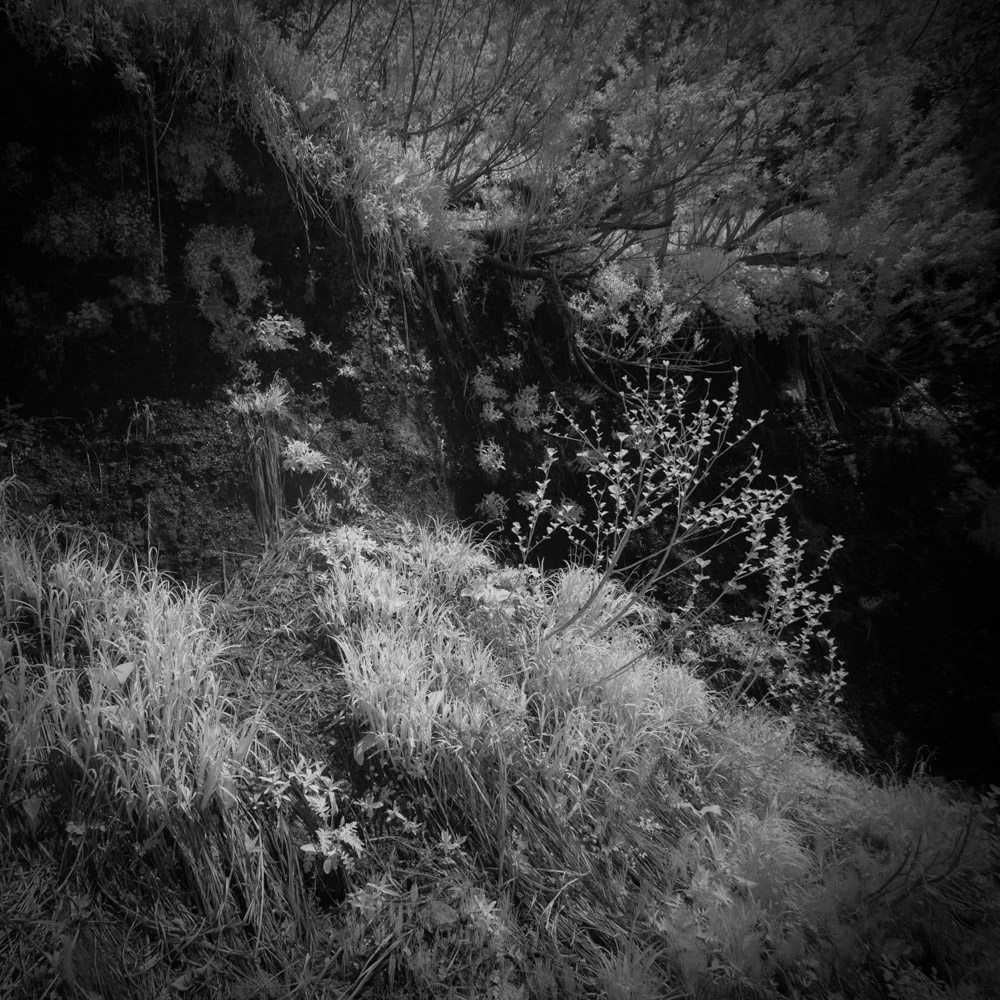
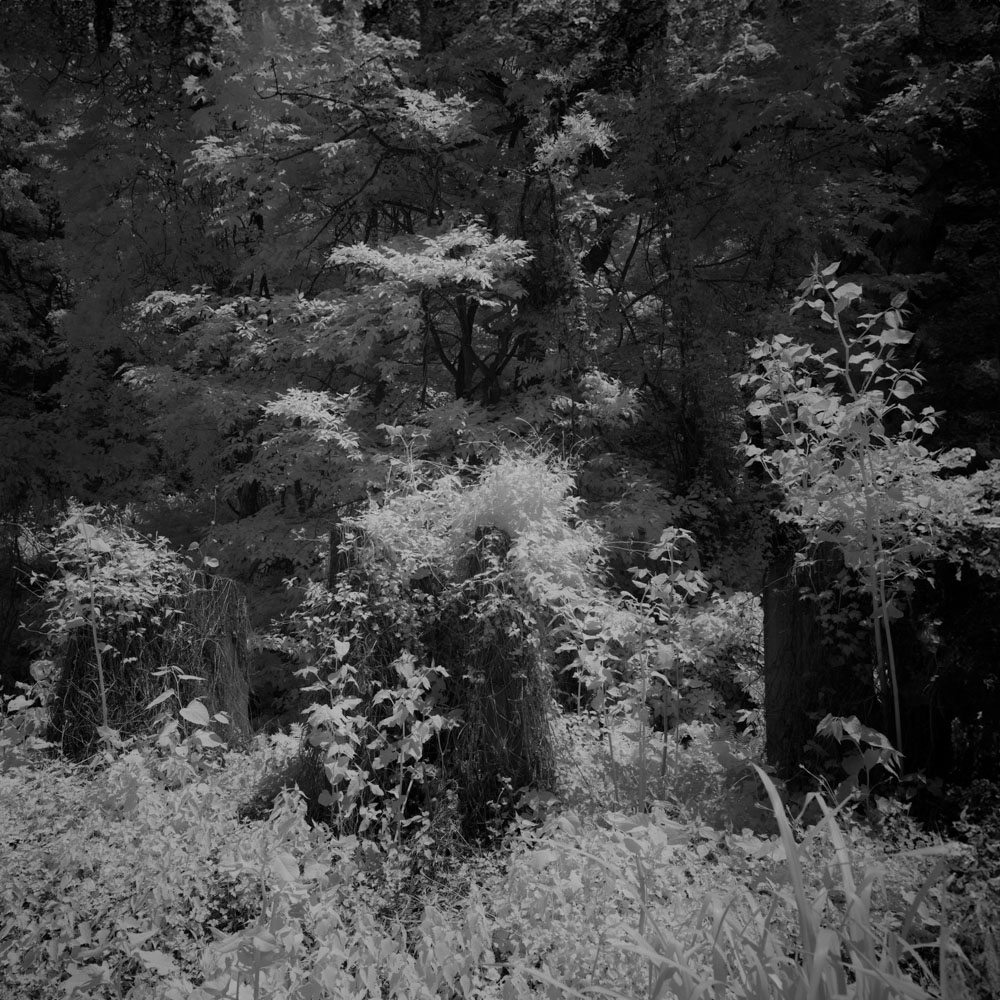
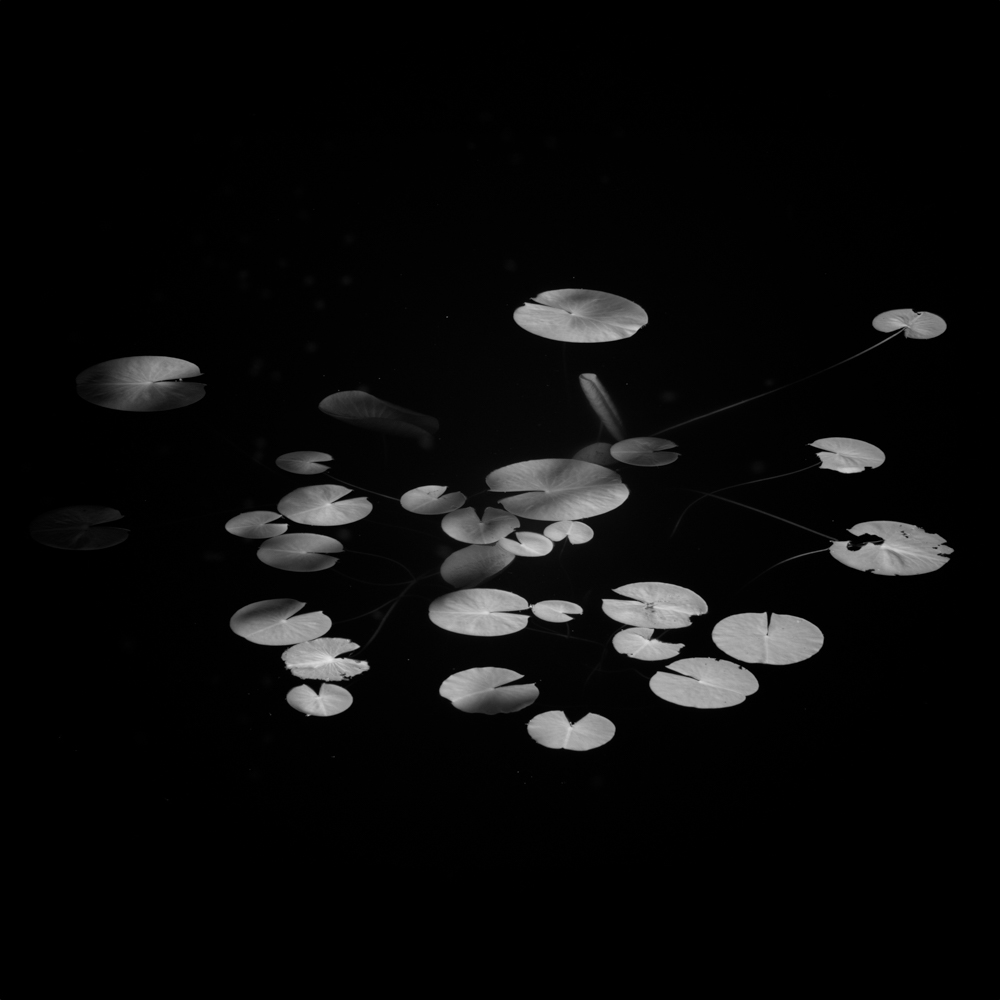
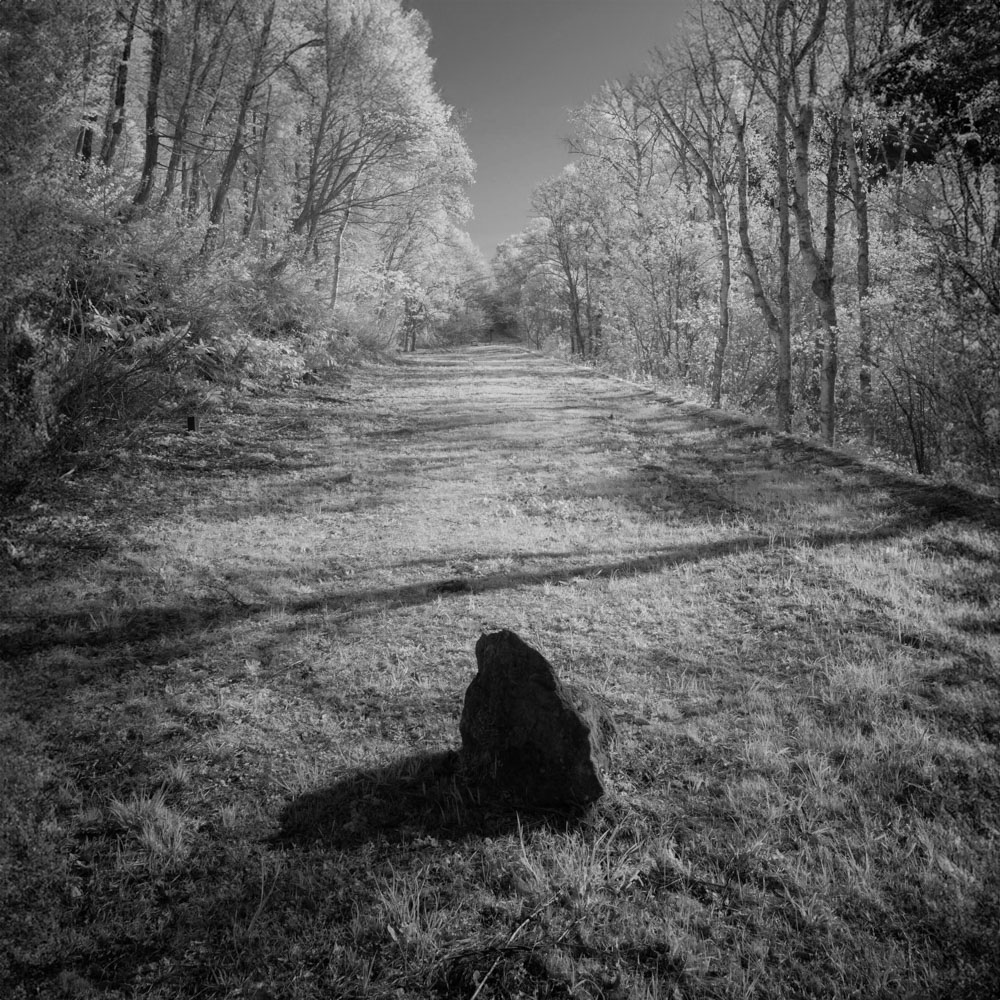
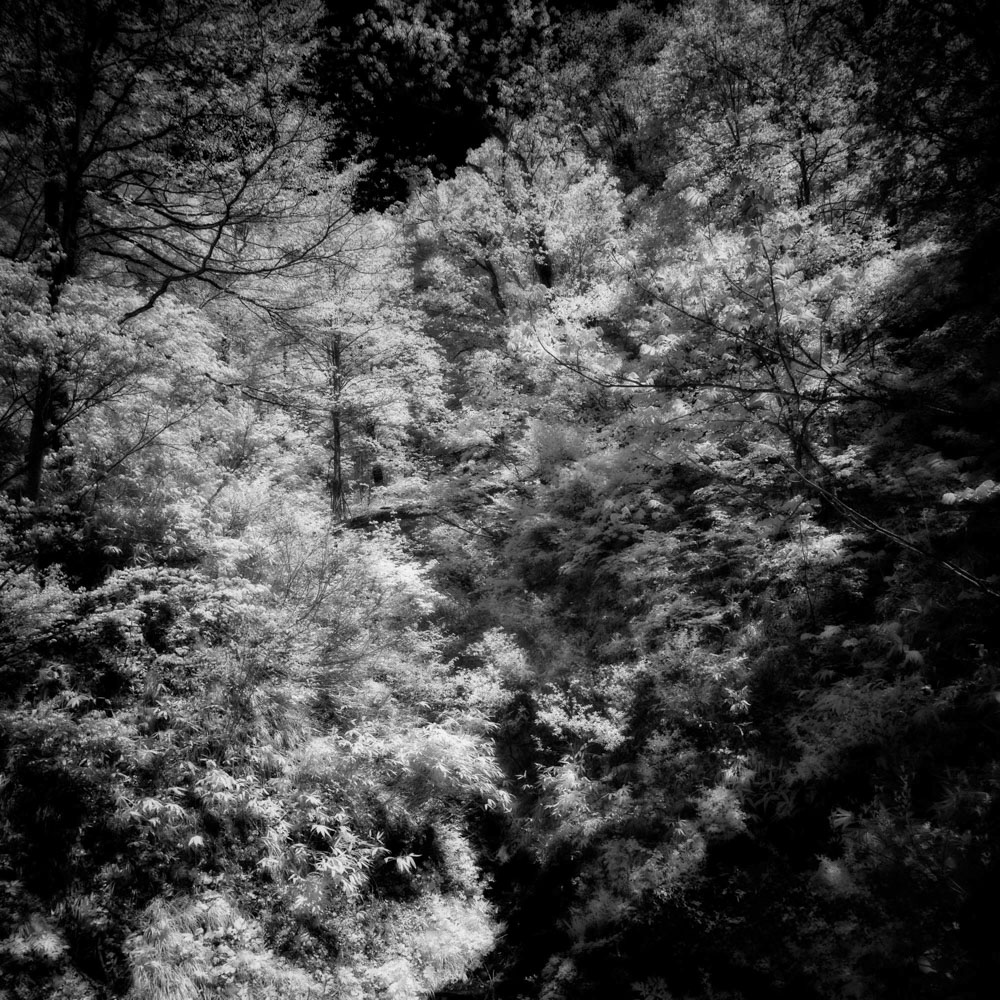
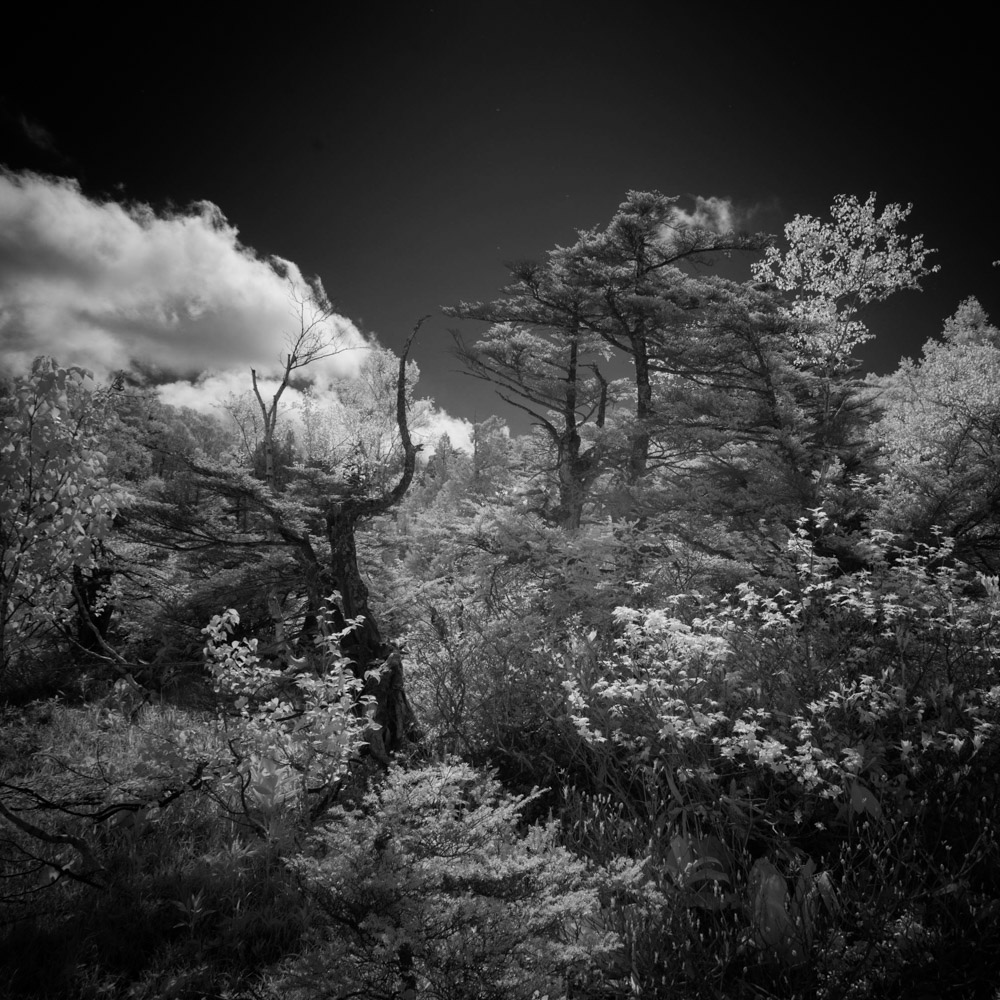
地球は約45億年前に誕生した。 生まれたばかりの地球の大気は炭酸ガスに満たされ高温であり生命の生まれる環境にはなかった。 その10億年後、海に緑のバクテリアが生まれ、その緑(chlo・ro・phyl)は、太陽光をエネルギーとして大気中の炭酸ガスから炭素を固定化し酸素を放出した。やがてそのバクテリアは海底に堆積し現在の石油石炭となっている。20億年近くそのような大気中の炭素の固定化の後に、大気中の炭酸ガスは大きく減り酸素が増え地球は冷却し動物が生まれる環境に変わった。また生まれた酸素はオゾン層を形成し動物が陸上に上がれる環境を作り上げた。 現在の植物の緑、chlo・ro・phyl がこの地球を動物が住める星に変えたと言って良い。 また、地球上のあらゆる生き物(正確には深海の一部の生き物を除いて)の生きていくためのエネルギーの供給は太陽光から光合成を通じて行われている。現在においてもchlo・ro・phylは黙々と35億年続いた作業を繰り返している。 そのような植物、緑chlo・ro・phylに感謝を込めて作品として作り上げた。
The Earth was born approximately 4.5 billion years ago. In those earliest days, the atmosphere was dense with carbon dioxide and searing in temperature — no place for life to take hold. Then, some billion years later, green bacteria appeared in the sea. Through the pigment within them — chlo・ro・phyl — they harnessed sunlight to draw carbon from the atmospheric CO₂ and release oxygen in return. Over time, those bacteria settled to the ocean floor, where they became the coal and oil we know today. After nearly two billion years of this quiet, relentless work of fixing atmospheric carbon, CO₂ levels fell dramatically, oxygen accumulated, the Earth cooled, and conditions emerged in which animals could at last come into being. The oxygen released also formed the ozone layer, making it possible for life to move onto land. It is no exaggeration to say that the green of plants — chlo・ro・phyl — transformed this planet into a world where animals could live. And still today, nearly all living things on Earth (with the exception of certain organisms in the deep sea) draw the energy they need for life from sunlight, channeled through photosynthesis. Quietly, without pause, chlo・ro・phyl continues the same work it began 3.5 billion years ago. This body of work was made in gratitude — for plants, and for the green that made our world possible.